

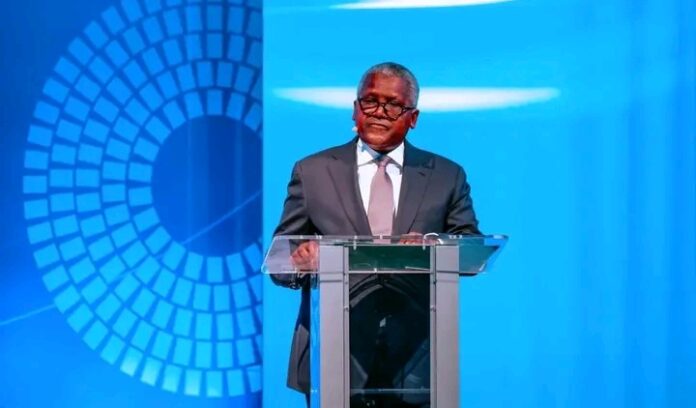
The Chairman of Nigeria’s National Malaria Elimination Council, Aliko Dangote, has called for intensified collaboration between governments and the private sector to eliminate malaria, warning that the fight against the disease has reached a critical stage.
Speaking to mark World Malaria Day 2026, Dangote who also serves as a United Nations Malaria Ambassador said that although progress has been recorded in recent years, it remains uneven, particularly across sub-Saharan Africa.
According to reports, the region accounts for over 90 percent of the global malaria burden, with children under five, pregnant women, displaced persons, and underserved communities most affected.
“Progress against malaria is real, but it remains deeply unequal,” Dangote said. “Too many people still lack access to life-saving prevention, diagnosis, and treatment. This gap is unacceptable when the tools to end malaria already exist.”
He highlighted advances in vaccines, diagnostics, and data-driven surveillance systems as major breakthroughs that have made malaria elimination more achievable. However, he stressed that scaling up these interventions remains the biggest challenge.
Dangote noted that malaria continues to strain health systems and economies across Africa, despite growing scientific progress and partnerships that present opportunities to accelerate response efforts.
He emphasized the role of the private sector in supporting national malaria control programmes through workplace and community initiatives focused on prevention, early diagnosis, and treatment. He cited the involvement of Dangote Industries Limited in ongoing malaria interventions.
Dangote also warned that emerging threats such as drug and insecticide resistance could reverse gains if not addressed through sustained investment in research and innovation.
“The path to a malaria-free world is clear. We have the tools. We have the knowledge,” he said. “What we need now is urgency, sustained investment, and collective accountability.”
He urged governments to maintain policy momentum and funding, called on businesses to expand proven interventions, and encouraged development partners to continue supporting high-burden regions.
“Together driven by purpose and united in action we can end malaria,” Dangote added. “Now we can. Now we must.”


