

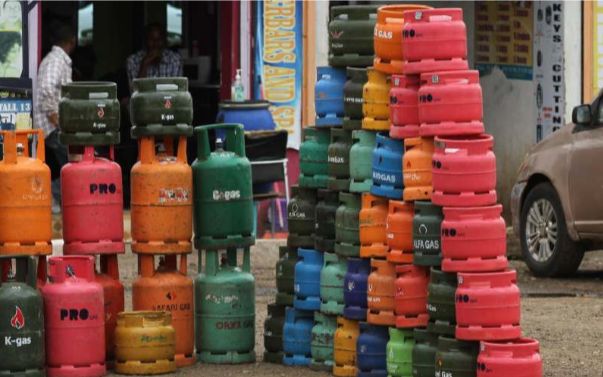
The cost of cooking gas climbed significantly in March 2026, adding fresh pressure on Nigerian households already grappling with rising living expenses.
According to recently released National Bureau of Statistics statistics, refilling a 5 kg cylinder now costs N7,655.73, up from N6,799.18 logged in February. The price of a 12.5 kg cylinder also rose to N19,652.83, reflecting sharp monthly growth.
The increase is evidence of continuous inflation in the domestic energy sector, with prices rising with transportation and food prices. Across states, the variation remains wide; northern areas recorded some of the highest refill costs, while southern parts posted comparatively lower averages.
The News Chronicle reports that a combination of local and global factors—including rising import charges, currency rate pressures, and supply chain issues—is fuelling the surge, thereby driving up retail prices.
Market observers contend that worldwide tensions, notably along major oil transport routes, have driven up energy costs worldwide, thereby raising domestic prices. For several families, the effects are direct because cooking gas is a daily necessity.
Rising concerns about sustained price increases exist, as lower-income families could revert to kerosene or firewood, thereby slowing the move toward greener energy.
As inflation remains high, rising cooking gas prices add to broader concerns about affordability and energy availability across the nation.


