

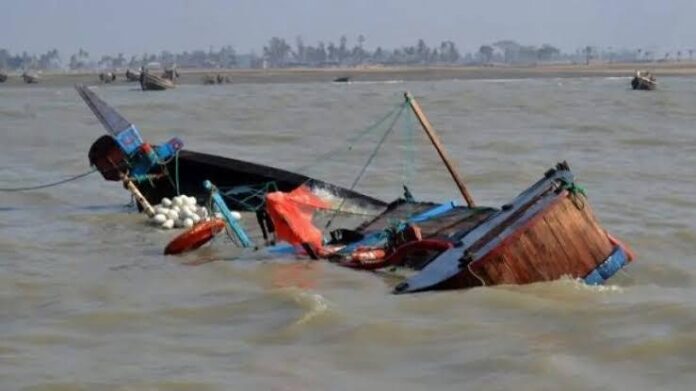
The Onitsha Chamber of Commerce, Industry, Mines and Agriculture (ONICCIMA) has called for an urgent review of alternative transportation arrangements following the reported fatal boat mishap on the River Niger involving passengers travelling between Asaba and Onitsha during the temporary closure of the First Niger Bridge.
The Federal Government had announced the closure of the bridge from September 7 to 21, 2026, directing motorists to use the Second Niger Bridge through Obosi as an alternative route.
The route has been adjudged by many as a long distance, especially for traders who commute from neighbouring Asaba across the bridge to Brigdehead markets.
In a statement issued on Thursday and signed by its President, Sir Chinedu Nwonu, the Chamber expressed sadness over the incident, commiserated with the families of those who reportedly lost their lives, and prayed for the safe recovery of anyone still missing.
The Chamber said while it supports the Federal Government’s ongoing rehabilitation of the First Niger Bridge, the tragedy had exposed gaps in planning for the movement of millions of commuters and traders who depend on the Onitsha-Asaba commercial corridor.

ONICCIMA argued that major diversion routes should have been fully assessed, rehabilitated, properly signposted, secured and prepared before the closure took effect.
It specifically identified the Atani Road corridor and its connecting routes to Onitsha’s commercial and industrial areas as critical infrastructure that should have formed part of a comprehensive diversion strategy.
The Chamber urged the Federal Government, in collaboration with the Anambra and Delta State governments and relevant road agencies, to immediately improve alternative roads, strengthen traffic management, provide adequate lighting, signage and security, eliminate traffic bottlenecks, and develop contingency plans for future closures of critical infrastructure.
“Beyond road transportation, ONICCIMA calls for the development of a permanent, modern and regulated water transport system linking Onitsha and Asaba.
“The River Niger should be transformed into a reliable transportation corridor capable of supporting commerce, tourism, employment and regional economic integration, rather than serving only as an emergency alternative whenever the bridge is closed,” the statement said.
ONICCIMA proposed a joint Onitsha-Asaba Water Transportation Master Plan involving both state governments, federal agencies, private operators and other stakeholders.
“The proposed system,” it said, “should feature certified passenger boats, professionally managed jetties, mandatory life jackets, passenger manifests, electronic ticketing, trained operators, regular boat inspections, navigation aids, emergency rescue arrangements, weather monitoring and effective regulation of water transport operators.”
ONICCIMA further called for an urgent stakeholders’ meeting involving the Federal Ministry of Works, the Anambra and Delta State governments, road and maritime authorities, security agencies, transport unions and representatives of the business community to develop a comprehensive Onitsha-Asaba Integrated Transport and Emergency Mobility Plan.
The Chamber maintained that although rehabilitation of the First Niger Bridge remains essential for public safety and national economic development, such interventions must be accompanied by robust alternative transportation arrangements that protect lives, minimise economic disruption and ensure the uninterrupted movement of people and goods across one of Nigeria’s busiest commercial corridors.
Efforts by the News Chronicle to confirm the reported deaths from the mishap through the relevant authorities have been unsuccessful, as at the time of filing this report.


