

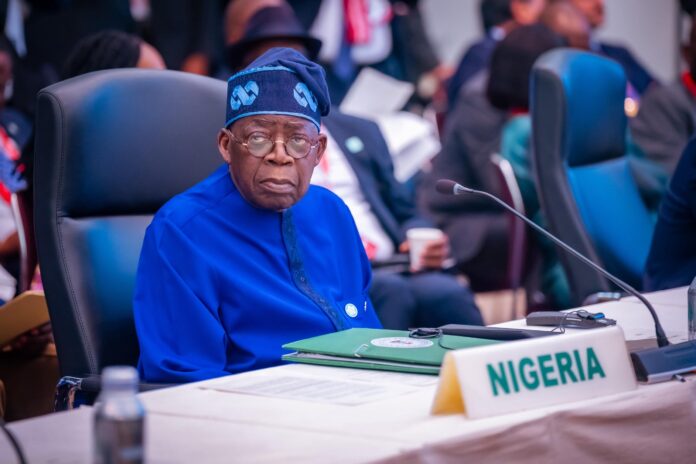
A human rights group, the Resource Centre for Human Rights and Civic Education (CHRICED) has condemned what it described as the current Nigerian Government’s attitude of rewarding indicted officials with diplomatic immunity, following the clearance of the recent appointees of President Bola Tinubu for ambassadorial positions.
The group in a statement signed by its Executive Director, Comrade Ibrahim Zikirullahi questioned the appointment of former Chairman of the Independent National Electoral Commission, INEC, former Director-General of the National Intelligence Agency (NIA), Ayodele Oke, and retired Vice Admiral and former Sole Administrator of Rivers State, Ibok-Ete Ibas, for the positions.
Other nominees which the group believes were unmerited included former Governor of Abia State, Okezie Ikpeazu, who was indicted in a 2024 KPMG audit for allegedly diverting N1.9 trillion from the state treasury, and Reno Omokri, who once criticized President Bola Tinubu claiming to possess U.S. court documents implicating him in drug-related activities.
The group insisted that the appointment and confirmation of these politically exposed persons, as Nigeria’s foreign ambassadors, amounts to recycling individuals with tainted public records, which in turn, undermines Nigeria’s global reputation, weakens democratic institutions, and signals a dangerous normalization of impunity.
It regretted that at a time when Nigeria urgently needs credible, ethical, and globally respected diplomats to repair its battered international image, the Tinubu administration has instead chosen to elevate individuals whose public service records are marred by allegations of corruption, abuse of office, and unresolved integrity concerns.
CHRICED berated the 10th National Assembly for its swift confirmation of the individuals, saying the development has portrayed them as a rubberstamp body, approving nominees whose records demand scrutiny, not celebration.
“This pattern is unsurprising to many Nigerians, given widespread public perception that the National Assembly itself is populated by individuals facing unresolved corruption allegations and plagued by a crisis of moral legitimacy. By endorsing these appointments without rigorous vetting, the National Assembly has further entrenched the culture of impunity and demonstrated a troubling disregard for the ethical standards expected of a democratic institution.
“CHRICED notes with grave concern that these appointments may have contributed and triggered the recent tightening of visa restrictions by several countries, including the United States of America. Reports of visa bans affecting Nigerians and the withdrawal or downgrading of diplomatic engagement by foreign governments reflect growing international unease about Nigeria’s governance trajectory.
“When nations begin restricting visas, reviewing bilateral cooperation, or withdrawing envoys, it signals a deep erosion of trust in Nigeria’s leadership. These developments are not isolated, but represent part of a broader global response to the perception that Nigeria is entrenching impunity at the highest levels,” Zikirullahi worried.
The CHRICED boss noted that the government’s disposition disarms the country’s anti-corruption agencies in the fight against corruption, and make accountability optional, enthrone political loyalty integrity, and positions corruption as a pathway to reward, not punishment.
He said, “Nigeria’s worsening insecurity cannot be separated from the culture of impunity that has taken root. When citizens see individuals accused of looting public funds or compromising national institutions rewarded with diplomatic immunity, it erodes faith in the rule of law. This breakdown of trust fuels resentment, desperation, and instability.
“A government that signals, through its appointments, that wrongdoing carries no consequences cannot credibly demand lawfulness from its citizens.
“CHRICED calls on civil society, the media, professional bodies, and the international community to remain vigilant and resist the normalization of impunity. Nigeria’s democracy cannot survive if institutions are weakened, accountability is abandoned, and public office becomes a sanctuary for individuals seeking protection from scrutiny.
“Nigeria deserves leaders who embody integrity, not individuals whose records raise serious questions. Our foreign missions must reflect the best of our nation, not the worst.”


