


He spent 27 years in prison before becoming president.
Mandela’s fight against apartheid brought him into conflict with South Africa’s white-minority government. Arrested in 1962, he was sentenced to life imprisonment in 1964 following the Rivonia Trial.
He spent much of his imprisonment on Robben Island and was released on February 11, 1990. Four years later, he became South Africa’s first Black president elected in a democratic election.
His imprisonment transformed him into an international symbol of the struggle against apartheid.
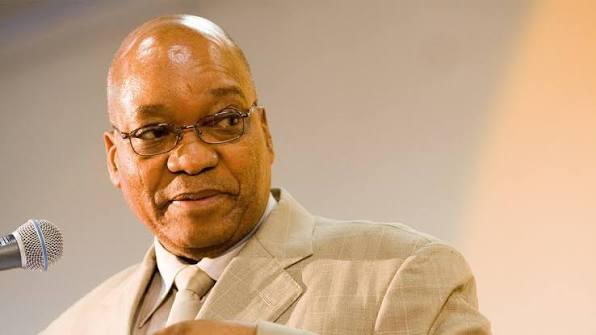
Before leading South Africa, he spent 10 years on Robben Island.
Zuma was imprisoned in 1963 for his involvement in the anti-apartheid struggle. He served 10 years on Robben Island, where he was held alongside other activists, including Mandela.
After his release, he continued his political activities and rose through the ranks of the African National Congress. He became South Africa’s president in 2009 and served until 2018.
His story links the struggle against apartheid with the political leadership that emerged after the end of white-minority rule.

A treason case put him behind bars four years before he became president.
Hichilema, a businessman and opposition politician, was arrested in April 2017 after a dispute involving the motorcade of then-President Edgar Lungu. He was charged with treason and spent about four months in detention before the charge was dropped.
The case attracted national and international attention and became a defining episode in his opposition career.
In August 2021, Hichilema won Zambia’s presidential election after several previous attempts to secure the office. His journey illustrates how a high-profile prosecution can become part of an opposition politician’s public story.

He went from prison to the presidency in the same election year.
Faye, a former tax inspector and opposition figure, was arrested in April 2023 amid tensions involving Senegal’s opposition movement. He was held for months as legal proceedings continued.
In March 2024, he was released under an amnesty shortly before Senegal’s presidential election. He subsequently won the election and became president, taking office in April 2024.
His rise was closely tied to a broader opposition movement and the popularity of his political ally, Ousmane Sonko, who had been barred from contesting the election.
Faye’s rapid transition from detention to the presidency made his story one of the most striking political developments in recent African history.
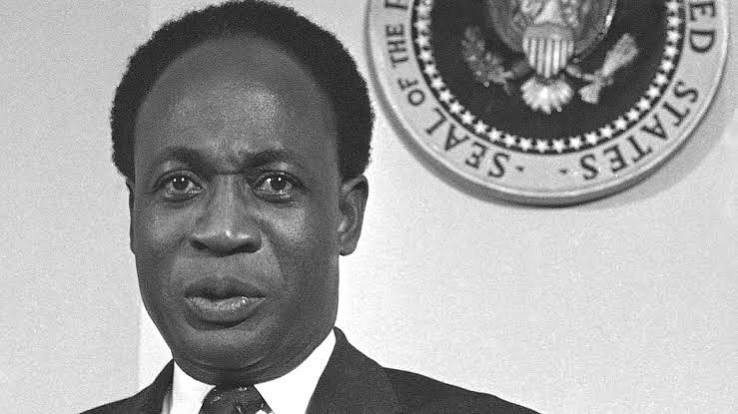
He won an election while still in prison.
Nkrumah was a leading figure in Ghana’s struggle for independence from British colonial rule. In 1950, he was imprisoned after organising a campaign of civil disobedience against colonial authorities.
The following year, his Convention People’s Party won the general election while he was still incarcerated. He was released and went on to lead the government, first as prime minister and later as president when Ghana became a republic in 1960.
His victory demonstrated the strength of the independence movement and the political support he had built despite his imprisonment.

The man who became Kenya’s first president spent years in detention under British colonial rule.
Kenyatta was arrested in 1952 during the British crackdown associated with the Mau Mau uprising. He was convicted in 1953 in a controversial trial and sentenced to imprisonment and restriction.
He remained detained for years before his release in 1961. As Kenya moved towards independence, he emerged as a central political leader.
When Kenya gained independence in December 1963, Kenyatta became prime minister. In 1964, he became the country’s first president.
His path from colonial detention to national leadership remains an important chapter in Kenya’s independence history.
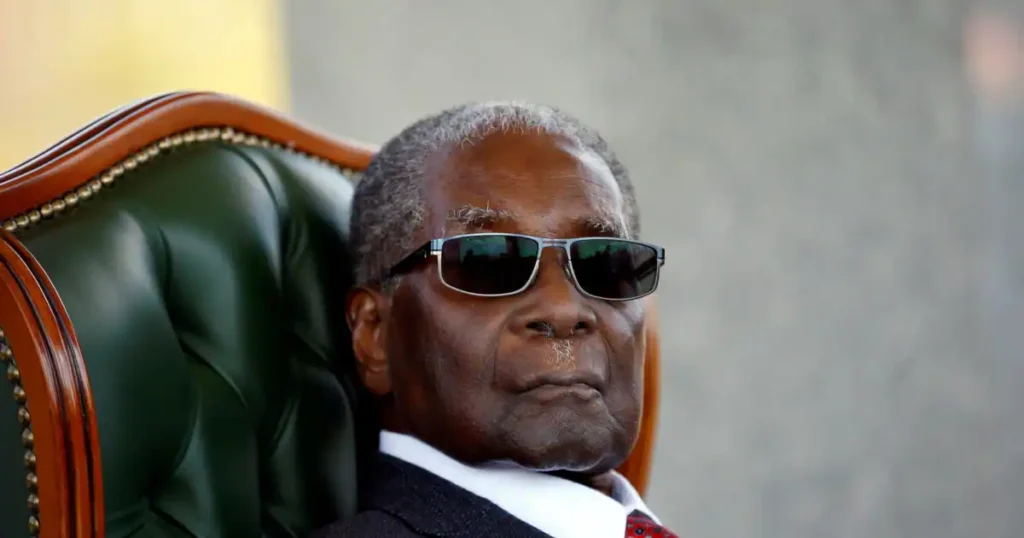
He spent more than a decade in detention before leading Zimbabwe to independence.
Mugabe was arrested by the white-minority government of Rhodesia in 1964 because of his nationalist political activities. He spent about 10 years in prison and detention before leaving the country in 1974.
During his imprisonment, he remained an influential figure in the struggle against white-minority rule. After his release, he became a prominent leader of the liberation movement.
Following Zimbabwe’s independence in 1980, Mugabe became prime minister. He later became president in 1987 and remained in power until his resignation in 2017.
His long political career also remains deeply contested because of allegations of repression and the country’s political and economic crises during his rule.

Colonial authorities imprisoned him before he led Zambia into independence.
Kaunda became involved in the campaign to end British colonial rule in Northern Rhodesia, now Zambia. His political activism led to several arrests and periods of imprisonment during the independence struggle.
He emerged as a leading figure in the United National Independence Party, which campaigned for self-government.
In 1964, when Zambia gained independence, Kaunda became its first president. He remained in office until 1991, when he lost the country’s first multiparty presidential election in decades.
His journey reflects the experiences of African nationalist leaders who faced colonial restrictions before assuming power.
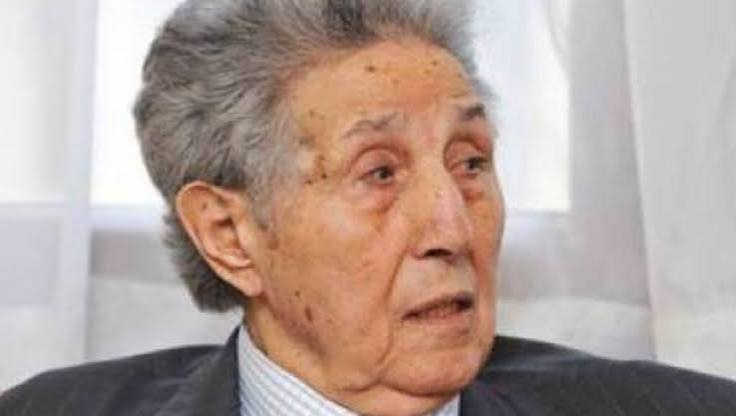
A French prison could not keep him out of Algeria’s independence leadership.
Ben Bella was one of the prominent figures in Algeria’s struggle against French colonial rule. In 1956, French authorities arrested him and other Algerian nationalist leaders after intercepting an aircraft carrying them.
He remained imprisoned in France until 1962, when Algeria gained independence.
After returning to Algeria, Ben Bella became prime minister and subsequently the country’s first president in 1963.
His case differed from those of leaders imprisoned within their own countries: he was held by the colonial power whose rule the independence movement sought to end.
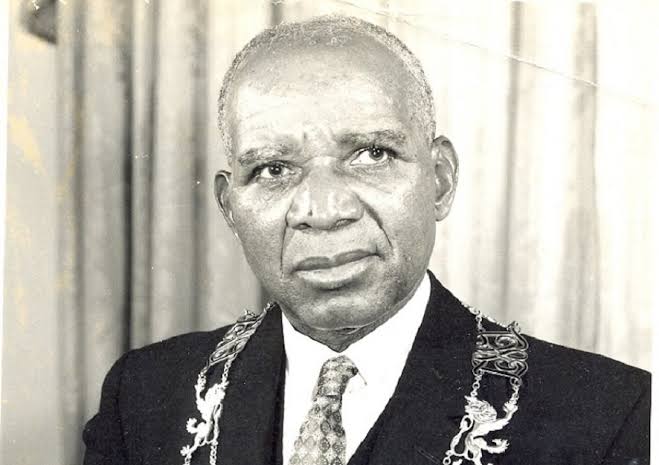
He was detained by colonial authorities before becoming Malawi’s leader.
Banda returned to Nyasaland, now Malawi, in the late 1950s after spending decades abroad. He became a leading opponent of the Central African Federation, which many African nationalists viewed as an obstacle to self-government.
In 1959, British colonial authorities arrested him during a crackdown on nationalist activists and detained him for more than a year.
After his release, he resumed his political activities and led Malawi towards independence in 1964. He became prime minister and later assumed the presidency in 1966.
Banda’s subsequent rule lasted for decades and was marked by one-party government and restrictions on political opposition.


