

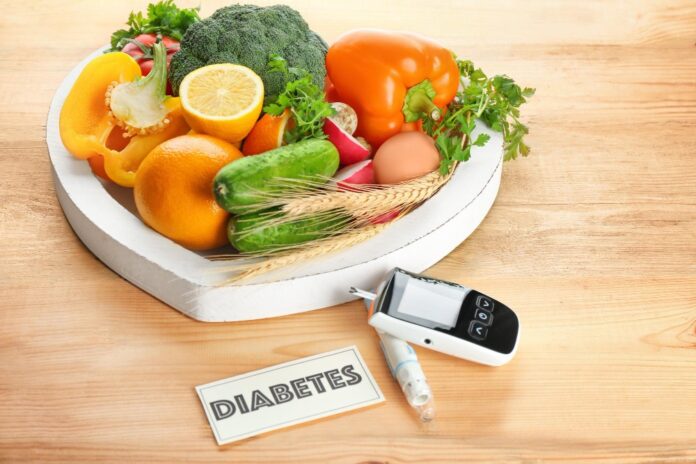
A dietician at the University College Hospital (UCH), Ibadan, Abdulsalami Olayinka, has said that no single food automatically worsens diabetes, stressing that portion sizes, meal frequency and food combinations play a significant role in blood sugar management.
Olayinka made this known during an interview in Ibadan ahead of the 2026 World Diabetes Day, which is commemorated annually on November 14.
World Diabetes Day is observed to raise awareness about diabetes prevention, early detection and effective management.
According to the dietician, blood glucose levels are influenced by the type and quantity of food consumed, how frequently meals are taken and the combination of foods in each meal.
He explained that although some foods could cause rapid increases in blood sugar when consumed excessively, it was scientifically inaccurate to claim that garri directly causes diabetes.
Olayinka noted that garri, a food product made from cassava, does not automatically make anyone diabetic, explaining that diabetes is a complex condition influenced by genetics, insulin resistance, lifestyle and body weight.
However, he cautioned that excessive consumption of garri could significantly raise blood sugar levels in people already living with diabetes because of its high carbohydrate content.
To encourage healthier eating habits, Olayinka recommended the diabetes plate method, advising that half of every meal plate should contain non-starchy vegetables such as ugu, ewedu, okra, cabbage, spinach and green beans.

He said one-quarter of the plate should consist of protein sources, including fish, eggs, chicken, beans and lean meat, while the remaining quarter should contain carbohydrates such as amala, garri or rice.
For portion control, the dietician recommended half to one standard measuring cup of cooked rice per meal, one small fist-sized portion of amala and half a cup of dry garri.
He also suggested two thin slices of whole-grain bread, noting that the recommended quantities were general guidelines that should be adjusted according to an individual’s blood sugar levels, body weight, physical activity and medication.
Addressing the cost of healthy eating, Olayinka said managing diabetes did not require expensive imported foods or specialised diabetic products.
He cited findings from the 2024 Nigeria Demographic and Health Survey, which showed that 41 per cent of children aged six to 23 months consumed sugary drinks, while the Global Food Policy Report indicated that nearly 80 per cent of Nigerians could not afford a healthy diet in 2022.
The dietician recommended three practical dietary changes using affordable locally available foods to help manage blood sugar levels.
He advised Nigerians to replace soft drinks and sweetened zobo with water and unsweetened zobo to reduce sugar consumption.
He also recommended reducing portions of white rice and amala while increasing vegetable intake through affordable options such as ugu, ewedu, okra and cabbage.
Additionally, he identified beans and cowpeas as affordable sources of plant protein and dietary fibre.
Olayinka further advised people to replace biscuits, cakes and sugary pastries with healthier alternatives such as boiled eggs, moderate portions of boiled groundnuts and fresh oranges.
He listed garden eggs, cucumber and small portions of pawpaw as nutritious options that provide fibre and essential nutrients, stressing that diabetes meal plans should be practical and culturally acceptable.
READ ALSO: 2027: Tinubu Visits Kebbi, Begs Residents for Second-Term Support
Providing a sample daily meal plan, he recommended two slices of whole-wheat bread, one boiled egg, cucumber and unsweetened tea for breakfast.
For lunch, he suggested a small portion of amala with ewedu and okra soup prepared with moderate palm oil and fish.
He recommended two serving spoons of cooked beans, a small portion of boiled plantain and cabbage or ugu for dinner.
He also advised patients to drink adequate amounts of clean water throughout the day and avoid soft drinks and beverages with added sugar.
Olayinka warned that people using insulin or certain diabetes medications should avoid skipping meals because of the risk of hypoglycaemia, a condition characterised by dangerously low blood sugar.
He stressed that diabetes was not a death sentence and did not require patients to abandon their favourite local meals.
According to him, excessive food portions, poor food combinations, sugary drinks, physical inactivity and inadequate nutritional education are among the factors that contribute to poor blood sugar control.
He urged people living with diabetes to seek regular nutritional counselling from qualified registered dieticians and work closely with healthcare professionals.
He added that effective diabetes management requires a combination of healthy eating, physical activity, medication adherence and routine blood sugar monitoring.
The dietician maintained that healthy eating should not be a privilege reserved for wealthy Nigerians but an achievable lifestyle for every household.


