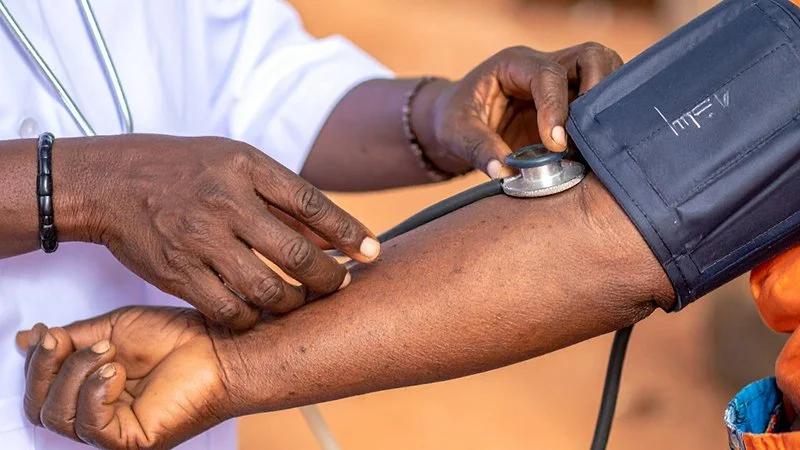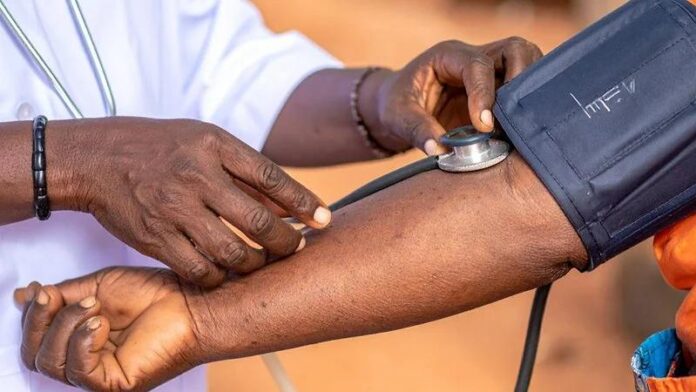

Many people with hypertension feel perfectly well, which is why it is often called a “silent killer.” Regular blood-pressure checks are important.
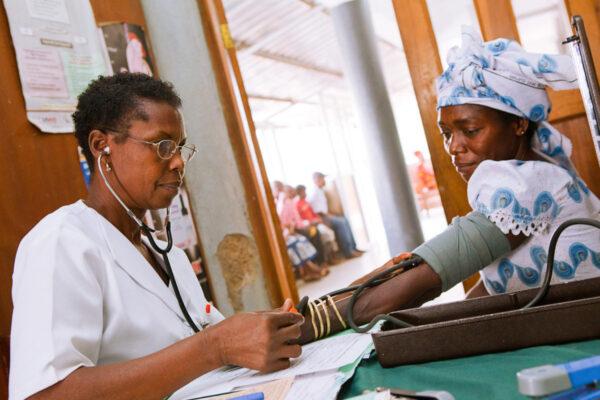
Blood pressure can temporarily rise because of stress, exercise, caffeine, pain or other factors. A healthcare professional may recommend repeated measurements before making a diagnosis.

Blood pressure is recorded as two numbers: systolic pressure (the upper number) and diastolic pressure (the lower number). Persistently elevated readings increase the risk of cardiovascular complications.

Over time, uncontrolled hypertension can make the heart work harder and increase the risk of heart disease, heart failure and stroke.
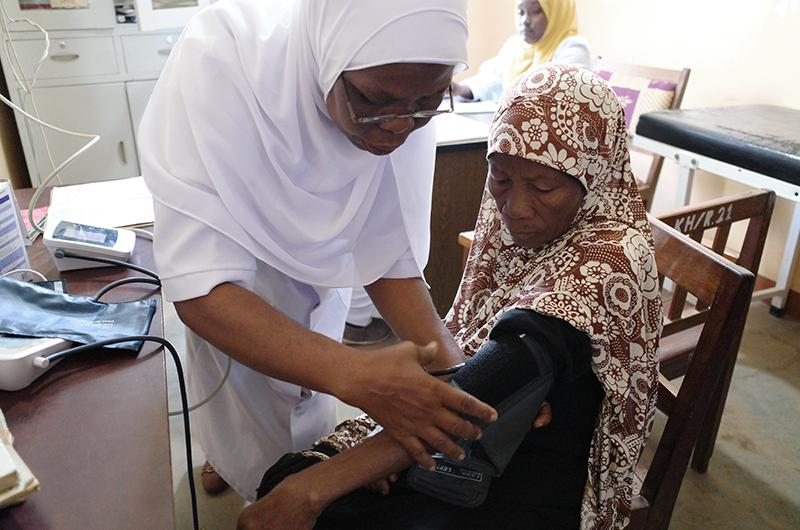
High blood pressure can damage the blood vessels in the kidneys, potentially contributing to chronic kidney disease.
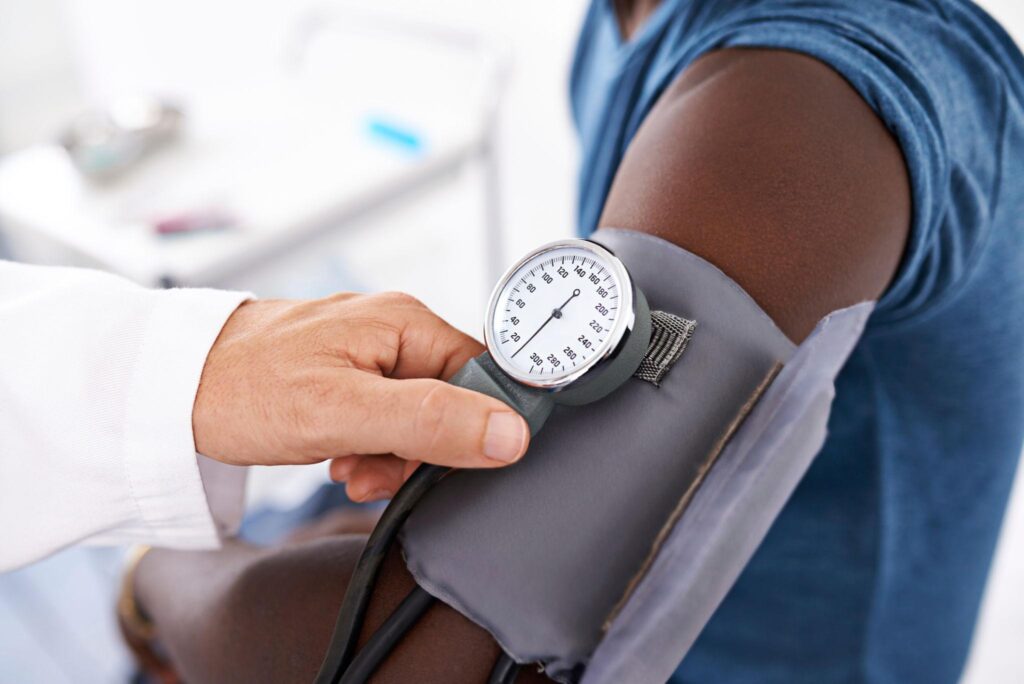
Hypertension is not exclusively a condition of older adults. Risk can be influenced by factors including family history, excess weight, diet, physical inactivity and certain medical conditions.
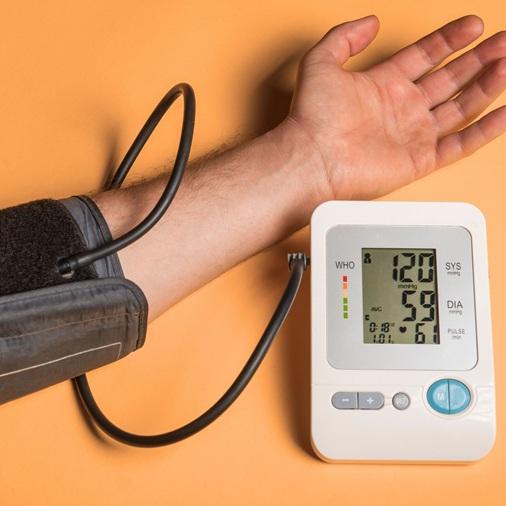
Excessive sodium intake can contribute to high blood pressure, but other factors—including alcohol consumption, smoking, obesity, inactivity, stress and genetics—can also play a role.

Regular physical activity, maintaining a healthy weight, eating a balanced diet, reducing sodium, limiting alcohol and avoiding tobacco can all contribute to better blood-pressure control.
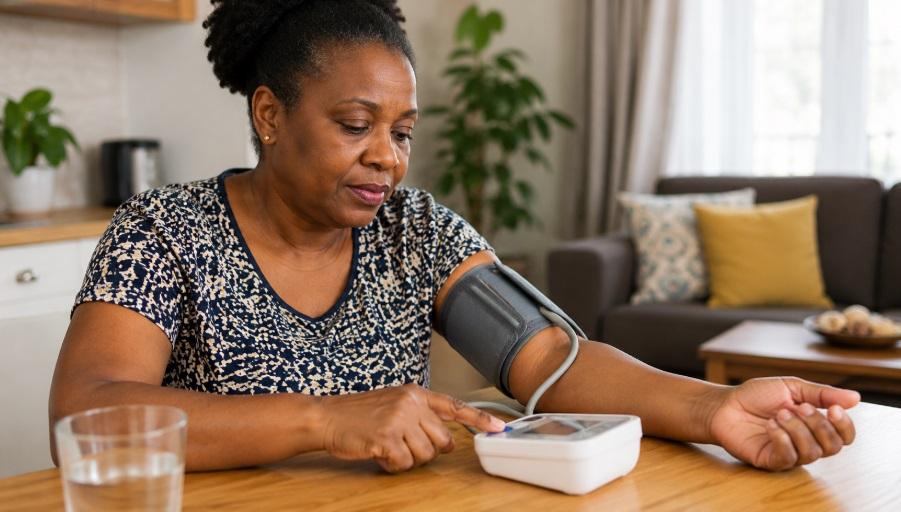
Lifestyle changes are important, but some people require prescription medication to control hypertension. Medication should be taken as prescribed and not stopped simply because blood pressure has improved.
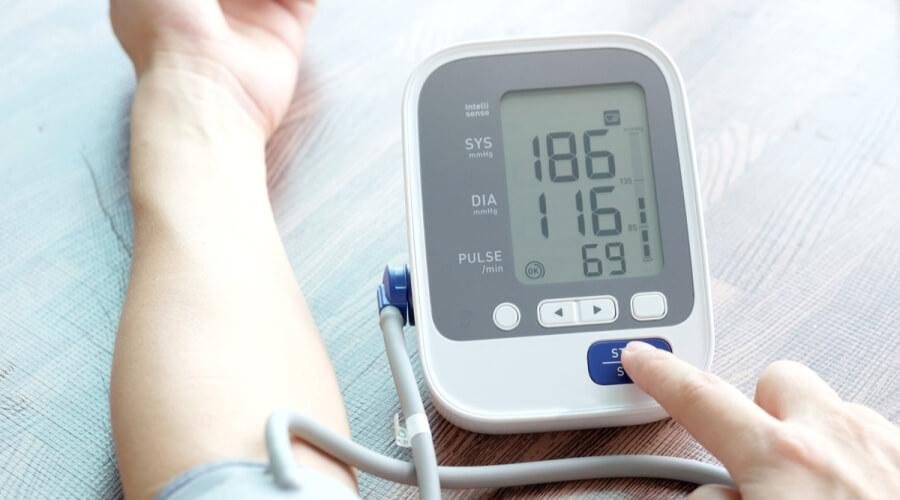
Persistently uncontrolled blood pressure can increase the risk of stroke, heart attack, kidney disease, vision problems and other complications. Knowing your blood pressure and managing it early can reduce these risks.