

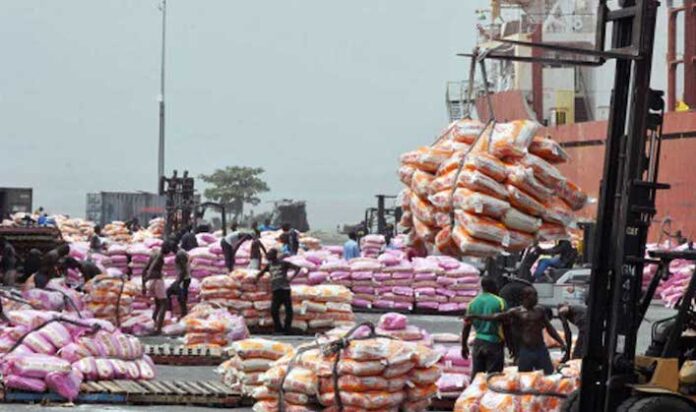
Nigeria recorded a decline in food and beverage imports during the first quarter of 2026, with the country spending N1.39 trillion on imported food products, according to the latest trade figures released by the National Bureau of Statistics.
Food and drink imports between January and March 2026 fell by 16.7 percent from the N1.67 trillion reported for the same period in 2025, The News Chronicle reports. The most recent data show a decline in imported food purchases as businesses and consumers continue to adapt to economic changes, foreign currency demands, and efforts to boost local output.
NBS data reveal that this quarter saw declines in imports of basic food products, industrial food inputs, and household consumption items. Industrial use imports dropped to N353.24 billion while domestic food imports slowed to N280.81 billion.
Though it is declining, Nigeria still relies heavily on imports, including wheat, fish, dairy products, malt, and a few industrial materials. Analysts believe the drop could mirror rising local sourcing, lower manufacturer demand, and higher import costs connected to exchange rate changes.
The government is still pushing local farming and food processing, which helps development. But analysts say that domestic production needs more attention to help the nation be less reliant on imports and improve food security.


