

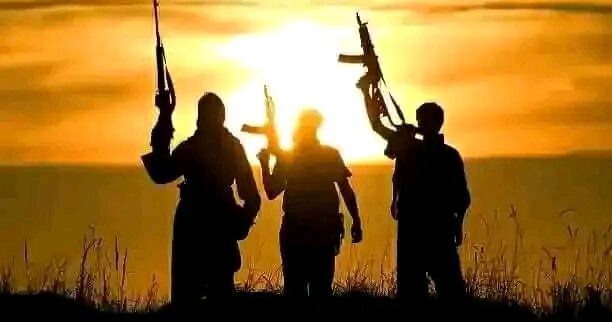
Troops of Operation Hadin Kai have recorded a major breakthrough in the ongoing counter-insurgency campaign in the North-East, eliminating more than 50 terrorists, including a senior ISWAP commander, while arresting several collaborators during coordinated operations across Borno State.
According to an operational update released on Wednesday, the significant gains were achieved following a precision airstrike conducted around Kirta and Arina Ciki, where several insurgent leaders were neutralised. Among those killed was Khalifa Umar, a prominent member of the ISWAP Shura Council.
The military disclosed that the sustained aerial bombardment has continued to weaken terrorist strongholds, forcing insurgents to abandon their island hideouts and relocate towards mainland areas under mounting pressure from security forces.
In separate security operations carried out within Maiduguri and nearby communities, troops arrested three suspected ISWAP logistics suppliers and informants. A soldier who had deserted with his service weapon and was later allegedly linked to criminal activities was also apprehended.
Recovered items from the suspects included a rifle with magazines, a vehicle, 30 litres of Premium Motor Spirit (PMS), and other materials believed to have been used in supporting terrorist activities.
“Troops also conducted fighting patrols in Kukawa axis, engaging fleeing terrorist scouts and recovering ammunition,” the report stated.
The North-East remains the focal point of Nigeria’s prolonged fight against terrorism under Operation Hadin Kai, with military forces sustaining pressure on ISWAP and JAS elements operating within the Lake Chad Basin and Sambisa forest corridors.
Recent operations have increasingly relied on intelligence-driven strategies, combining surveillance and reconnaissance capabilities with targeted airstrikes to dismantle terrorist leadership structures, disrupt supply networks and restrict insurgent movements.
Military authorities noted that the evolving approach has significantly reduced the operational space available to terrorists, compelling them to disperse into smaller groups that are more vulnerable to sustained military action.
The military reaffirmed its commitment to sustaining the momentum of operations until terrorist capabilities are further degraded and lasting peace is restored to the region.


