

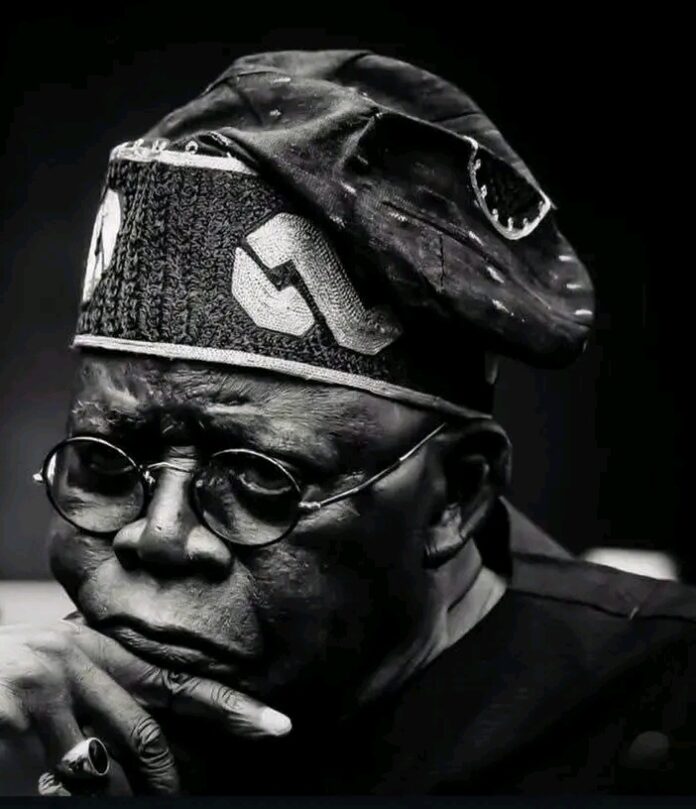
More than 1,000 Islamic clerics have called on President Bola Ahmed Tinubu to withdraw from the 2027 presidential election, citing worsening economic hardship, insecurity and other challenges confronting Nigerians.
The call was contained in a communique issued at the end of a national conference titled “An Assessment of the State of the Nation Under President Tinubu and the 2027 General Elections,” held in Kano on Sunday.
The clerics, under the platform Ko Da Naka…For the Struggle to Promote Good Governance and Community Development, in collaboration with the AFAQ Educational Foundation, criticised several policies of the Tinubu administration.
They particularly faulted the removal of the fuel subsidy, changes to the naira exchange-rate system, increases in electricity tariffs and proposed tax reforms, arguing that the measures had worsened the economic situation of ordinary Nigerians.
According to the communique, the government had placed greater emphasis on revenue generation while Nigerians continued to grapple with rising living costs, unemployment and declining purchasing power.
The clerics also expressed serious concern over insecurity across the country, particularly killings, kidnappings and terrorist attacks in the North-West and other regions.
They urged the Federal Government to take urgent and concrete measures to address the security situation and protect citizens.
The group further warned that Tinubu should not seek re-election if his administration failed to reverse what they described as harmful economic policies.
The communique stated that “the President should refrain from contesting the 2027 election”, adding that citizens should reject his candidacy if he decides to proceed with the contest.
The call comes amid differing positions among Islamic organisations regarding the 2027 election. Groups including Jama’atul Izalatul Bid’a Wa Iqamatussunnah (JIBWIS) and the Qadiriyya Sufi sect have reportedly expressed support for the re-election of President Tinubu and Vice President Kashim Shettima.
The contrasting positions highlight the growing debate among religious and civil society groups over the direction of Nigeria ahead of the 2027 general elections.


