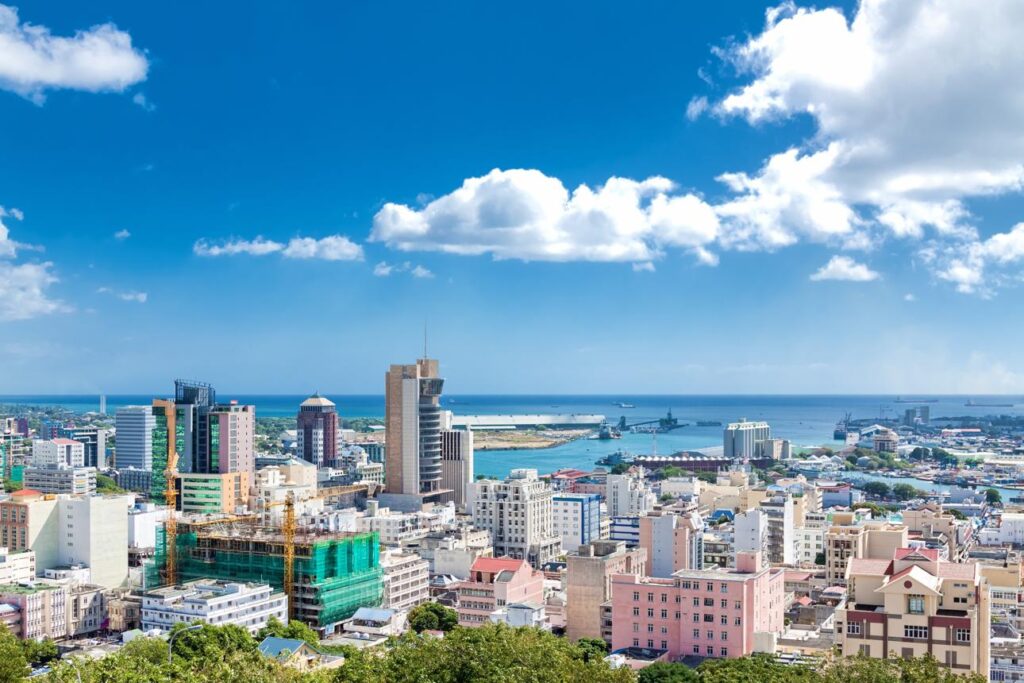
Mauritius has the highest minimum wage in Africa, with workers earning a monthly minimum of about MUR 17,745, equivalent to $374.21. The wage increased by 3.71% in January 2026.
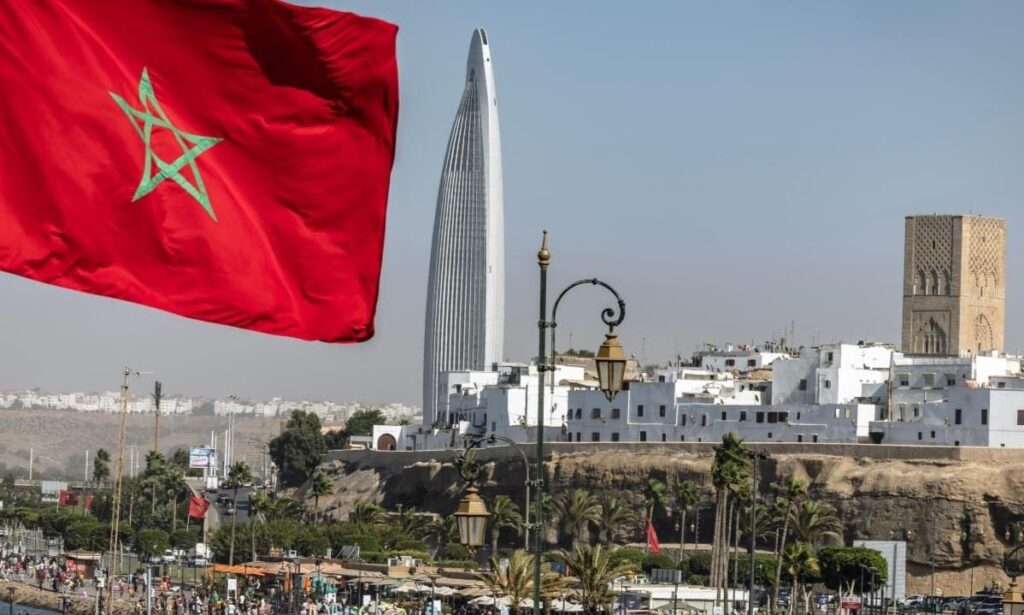
Morocco ranks second, with a monthly minimum wage of MAD 3,423 for non-agricultural workers. The rate increased by 12.41% in January 2026.
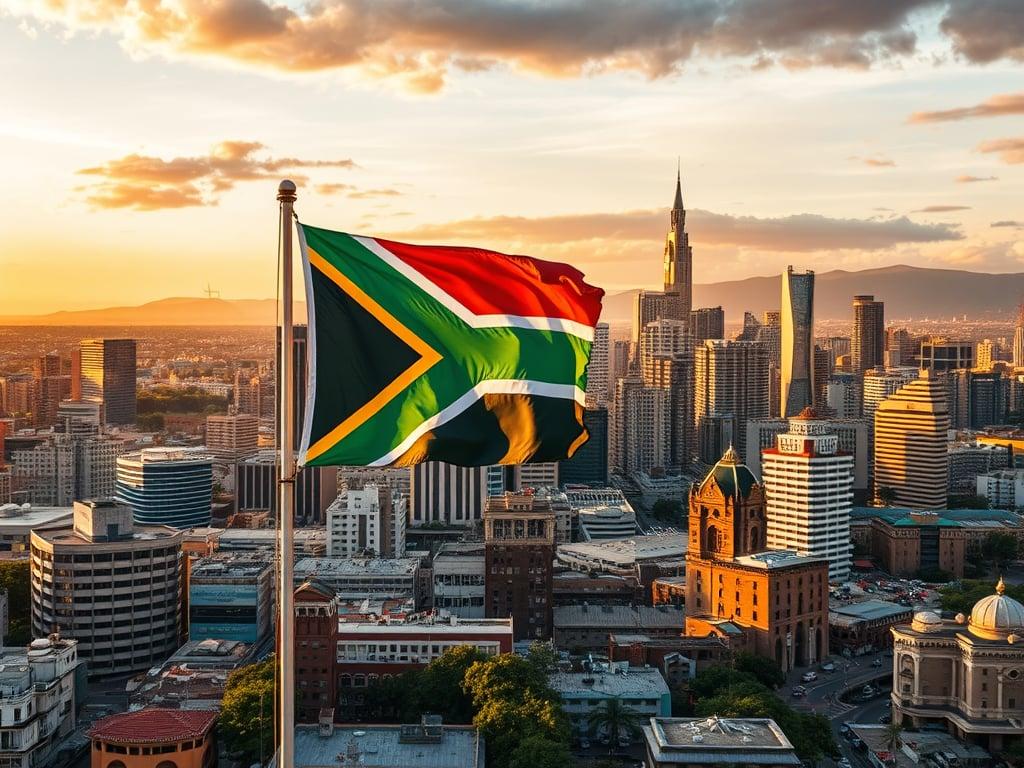
South Africa’s minimum wage is set hourly rather than monthly. Based on a standard work schedule, the rate is equivalent to about R5,239.77 per month, or $311.23. The hourly rate rose by 5% in March 2026.
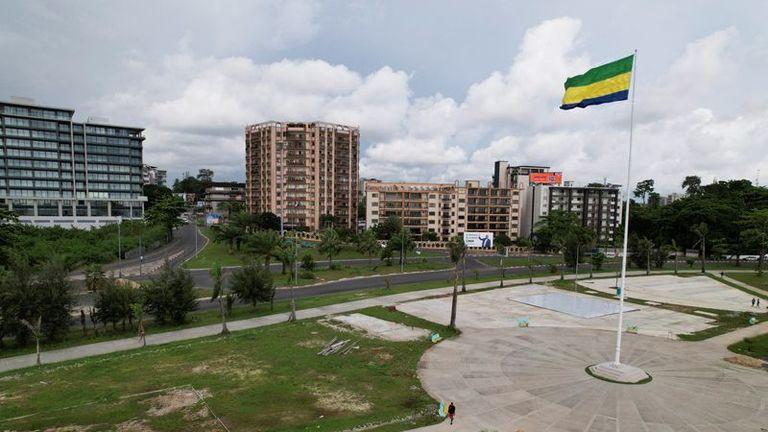
Gabon has a monthly minimum wage of XAF 150,000, equivalent to $258.07. The rate has remained unchanged since 2010, although the CFA franc’s stability has helped preserve its dollar value.
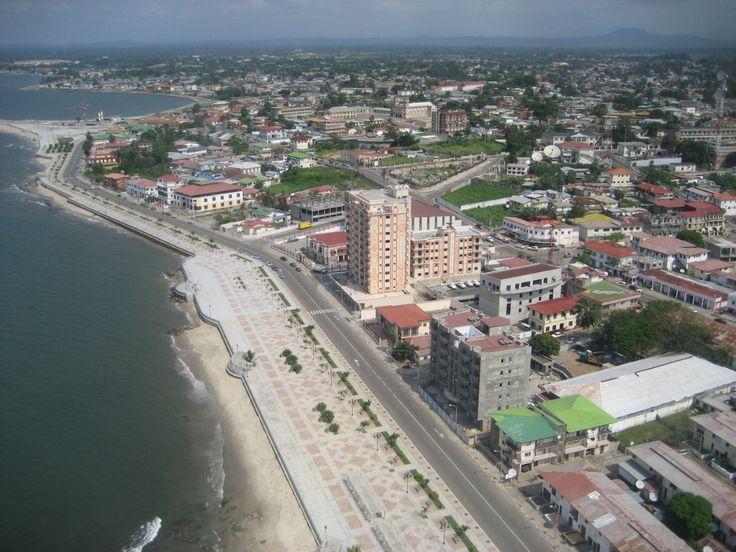
Equatorial Guinea’s minimum wage is XAF 129,035 per month, equivalent to about $222. The rate has not changed since 2019.
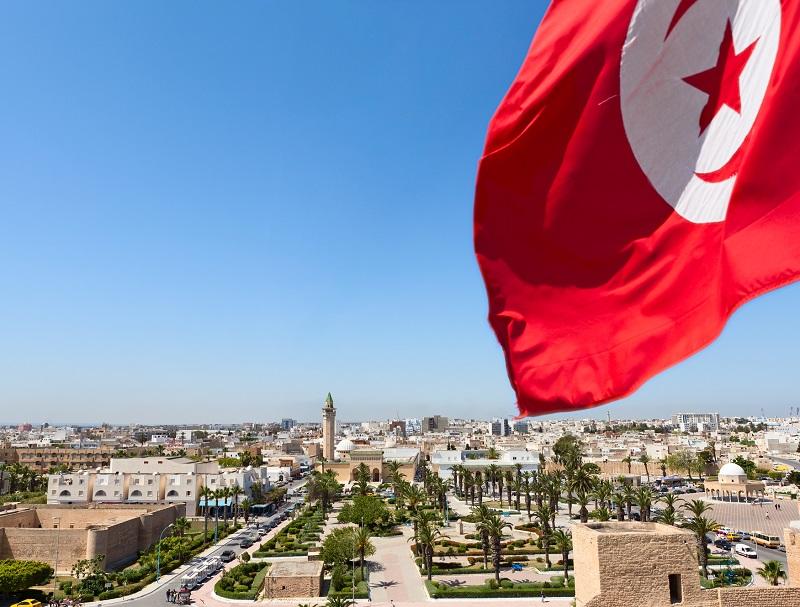
Tunisia ranks sixth, with a monthly minimum-wage benchmark of TND 555, worth approximately $187.77. The rate increased by 5.11% in January 2026.
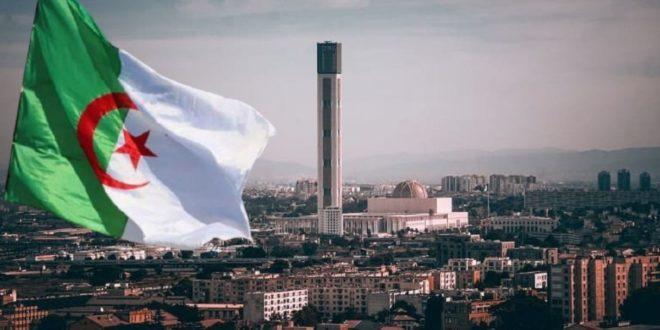
Algeria’s minimum wage stands at DZD 24,000 per month, equivalent to about $179.99. The new rate took effect in January 2026 after a 20% increase.
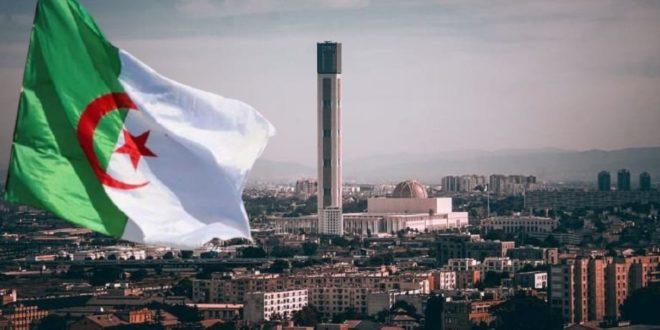
Cape Verde pays a monthly minimum wage of CVE 17,000, worth about $174.79. The wage increased by 13.33% in January 2025.
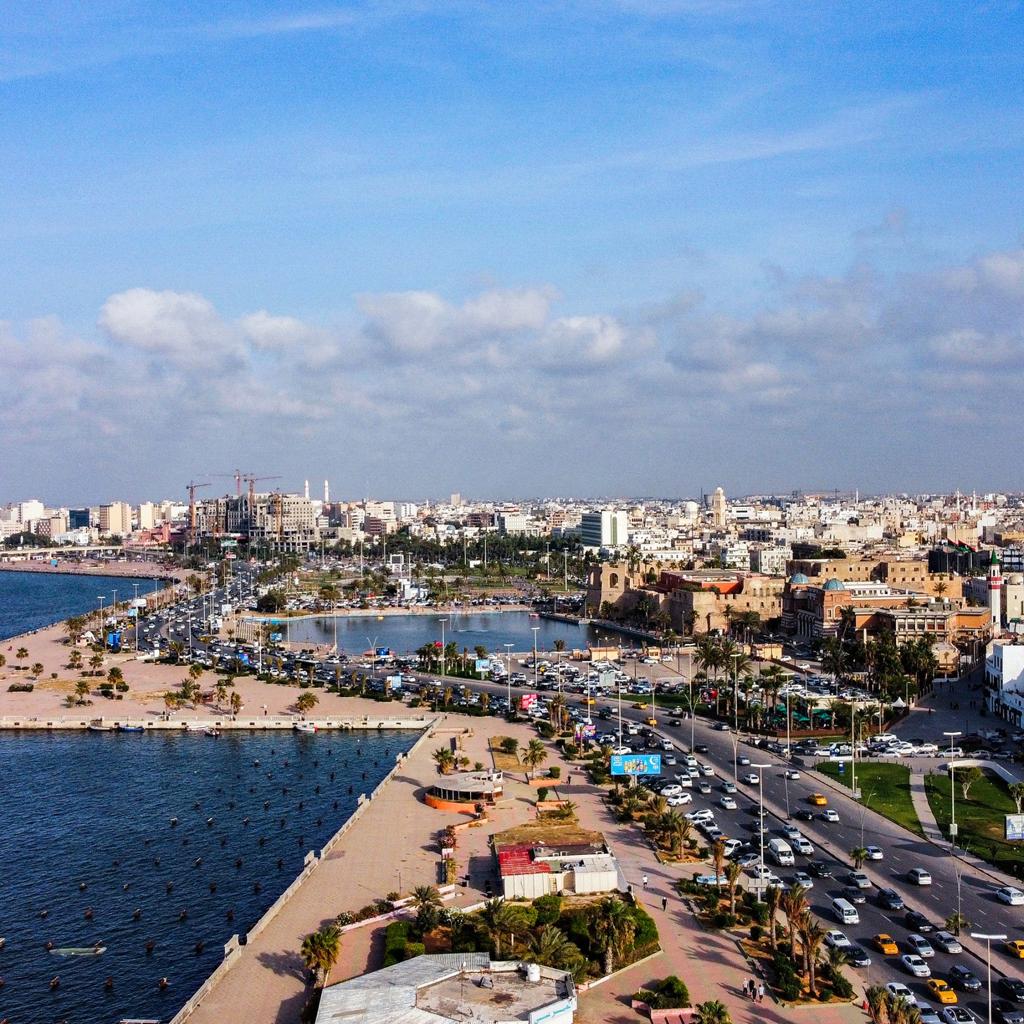
Libya’s minimum wage is LYD 1,000 per month, equivalent to about $156.27. The country recorded the biggest percentage increase among the countries reviewed, after raising the wage from LYD 450.
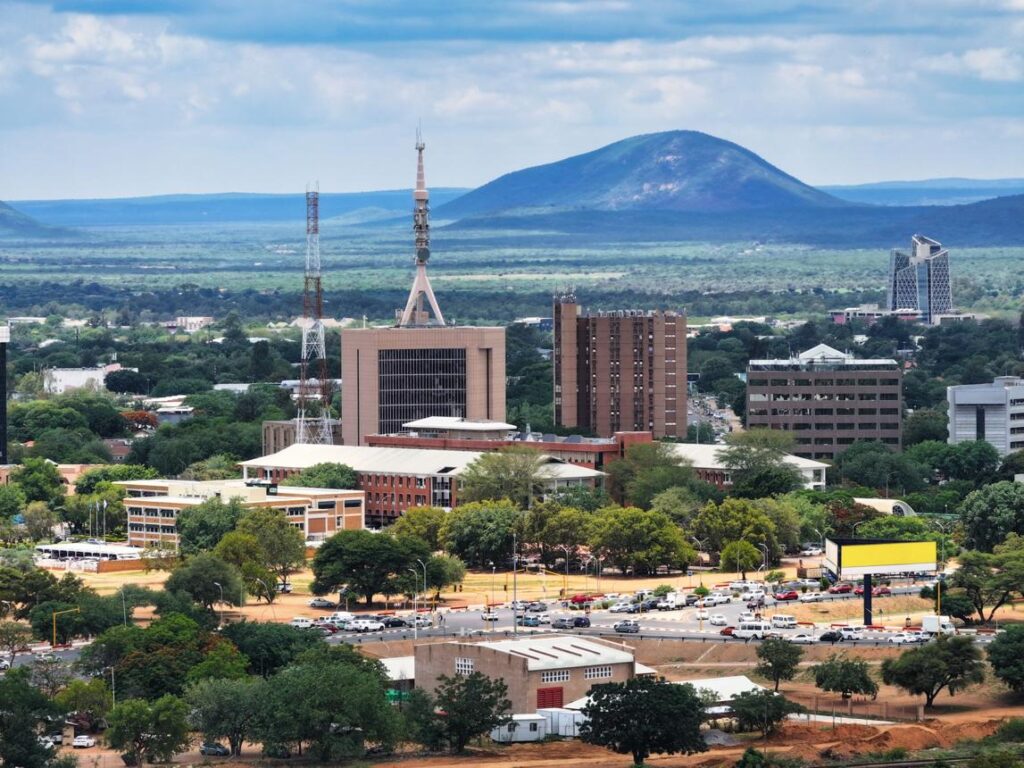
Botswana rounds out the top 10 with a benchmark monthly minimum wage of BWP 2,120, equivalent to $153.97. However, the country does not have one universal minimum wage, as rates vary across sectors.