


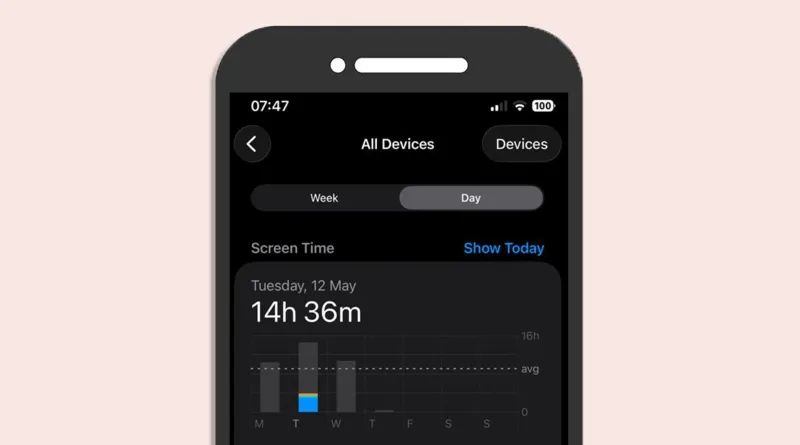
Millions of people pick up their phones for a quick reply and end up losing an hour to notifications, feeds, and videos. It is a routine so common that it barely registers anymore, yet more people are now asking whether their devices are quietly damaging their mental health.
Two separate reports, one grounded in research and one in lived experience, offer a fuller picture. Together, they suggest the answer is not a simple yes or no.
According to TechCity’s analysis, reviewed by The News Chronicle, smartphones do not directly cause anxiety. Researchers instead point to a relationship between problematic phone use and higher levels of anxiety, depression, poor sleep, and stress, one that runs in both directions rather than a straight line of cause and effect. Anxious people may reach for their phones more, and heavy phone use may in turn deepen that anxiety, creating a loop that is difficult to separate.
Several patterns of use appear to drive this effect:
- Constant notifications keep the brain on alert, even when a message is not opened immediately, making it harder to concentrate on any one task.
- Social comparison through curated posts of vacations, promotions, and picture-perfect lives has been linked to lower self-esteem and higher anxiety in some users.
- No mental downtime. Filling every idle moment- a queue, a commute- with a screen leaves little room for reflection or rest.
- Doomscrolling, or the steady consumption of distressing news, can leave people feeling overwhelmed and emotionally drained.
- An always-on work culture, driven by after-hours emails and chat notifications, is associated with higher stress and a greater risk of burnout.
- Poor sleep, worsened by late-night scrolling and screen light, tends to increase anxiety the following day.
However, young people’s rising anxiety cannot be pinned on phones alone. School pressure, family life, finances, and world events all play a part, with technology forming just one piece of a larger picture.
A Deloitte survey showed that seven in ten adults admitted to spending too much time on their phones.
At UK Addiction Treatment Centers, the share of drug dependency clients who also struggled with phone dependency rose from one in ten in 2019 to one in three last year, according to the report.
At Rainford Hall, a rehab center in Merseyside, lead therapist Kelly Watson linked the pull of phones to the brain’s reward system, where messages, likes, and new information trigger dopamine release. For some people, she said, the need for that hit eventually takes over.
Psychotherapist Hilda Burke, who wrote a support book on the subject, suggests the discomfort often starts with something specific, such as waiting for a reply, and that identifying that trigger is the first step toward managing it.
The research shows that phones are not inherently harmful but that certain patterns of use- more notifications, more comparison, more scrolling instead of rest- can wear people down over time. When these patterns go unchecked for years without intervention, it could lead to lost jobs, disrupted sleep, and in some cases a slide into full dependency requiring residential treatment.
Practical steps to avoid or overcome this loop include:
- Turning off non-essential notifications to reduce interruptions.
- Setting phone-free windows around meals, conversations, exercise, and the hour before bed.
- Using built-in screen time tools to monitor and limit usage.
- Curating social feeds to remove accounts that consistently trigger comparison or stress.
- Making regular space for offline activities such as walking, reading, or time with friends.
For those who recognise more serious signs, losing sleep, feeling unable to disconnect, or noticing that phone use is affecting work or relationships, professional support can be sought after.