

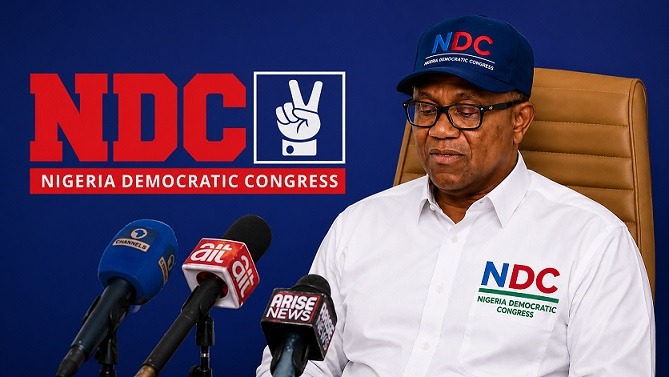
The Lagos State spokesman of the All Progressives Congress (APC), Mogaji Seye Oladejo, has questioned the chances of the Nigeria Democratic Congress (NDC) presidential candidate, Peter Obi, in the 2027 general elections.
Oladejo suggested that the political enthusiasm surrounding Obi’s 2023 presidential campaign might be waning, arguing that popularity alone would not guarantee electoral success.
He made the remarks in a statement dated October 19, 2026, titled, “2027: Peter Obi and the Expiration Date of Political Momentum.”
While acknowledging the excitement generated by Obi’s 2023 campaign, particularly among young Nigerians, the APC spokesman argued that the former Anambra State governor had yet to build a sustainable political structure capable of translating his popularity into votes.

According to Oladejo, Obi’s major challenge ahead of the 2027 election would be converting the support of the Obidient movement into an effective party organisation, grassroots mobilisation and a clear electoral strategy.
He also questioned the stability of Obi’s political platform, arguing that changes in party affiliation and the absence of a firmly established political structure could undermine his presidential ambition.
Oladejo maintained that electoral victories required more than public appeal, stressing the importance of strong party structures, disciplined membership and sustained engagement with voters across communities.
READ ALSO: 2027: Peter Obi Sends Message to Nigerians Abroad Seeking Change at Home
The APC spokesman also questioned Obi’s reputation for transparency and accountability, citing his frequent use of the expression “go and verify” when defending his claims and policy positions.
He argued that political credibility should be demonstrated through independently verifiable records, consistent positions and measurable results rather than slogans or repeated assurances.
Oladejo further questioned whether the Obidient movement had developed the institutional strength needed to sustain its influence beyond the 2023 election cycle.
He said political movements driven largely by public enthusiasm needed enduring structures and coherent policy agendas to translate their support base into electoral victories.
The comments come as political parties and presidential hopefuls begin positioning themselves ahead of the 2027 general elections.
However, Oladejo’s claims about a possible decline in Obi’s popularity were his own assessment of the opposition politician’s prospects. He did not cite independent opinion polls or empirical data to establish whether support for Obi had declined.


