

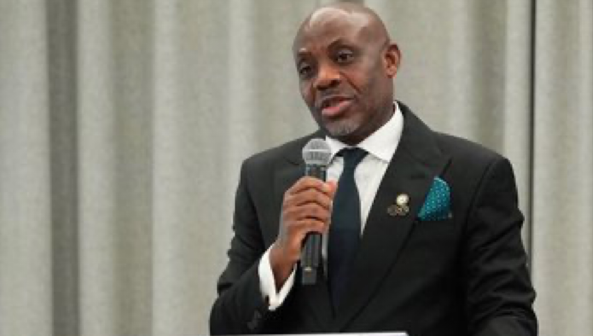
As global leaders convene for the 81st United Nations General Assembly (UNGA 81), attention has turned to the future of global human capital, with Nigeria highlighting the scale of its education and equity challenges on the international stage.
Speaking at the high-level Multiply Possibility Innovative Partnerships event, co-hosted by Italy and the Global Partnership for Education (GPE), leaders opened discussions on transforming education systems through stronger multisectoral partnerships.
At the centre of Nigeria’s education strategy is a significant demographic reality: about 45 million learners are currently enrolled in basic education.
According to Nigerian officials at the event, the figure represents both the immense scale of the government’s responsibility and an opportunity to drive generational transformation through investment in education.
While emphasising that government must remain at the forefront, officials noted that public-sector budgets alone cannot address the growing education deficit. They called for a new model of collaboration in which philanthropic organisations and private-sector partners contribute capital, innovation and expertise.
READ ALSO: NiMet DG Anosike Champions Climate Finance and AI Driven Early Warnings at WMO Beijing Dialogue
Rather than relying on isolated and short-term projects, the framework promotes joint investments aligned with national priorities.
Key areas of focus include strengthening foundational learning among young children, equipping and empowering teachers, expanding assistive technologies for children with disabilities, and scaling initiatives that enable girls to safely access education and thrive.
The initiative calls for a coordinated approach in which stakeholders work and invest collectively to ensure that every Nigerian child has access to the knowledge, skills and opportunities needed to succeed in a rapidly changing global economy.


