

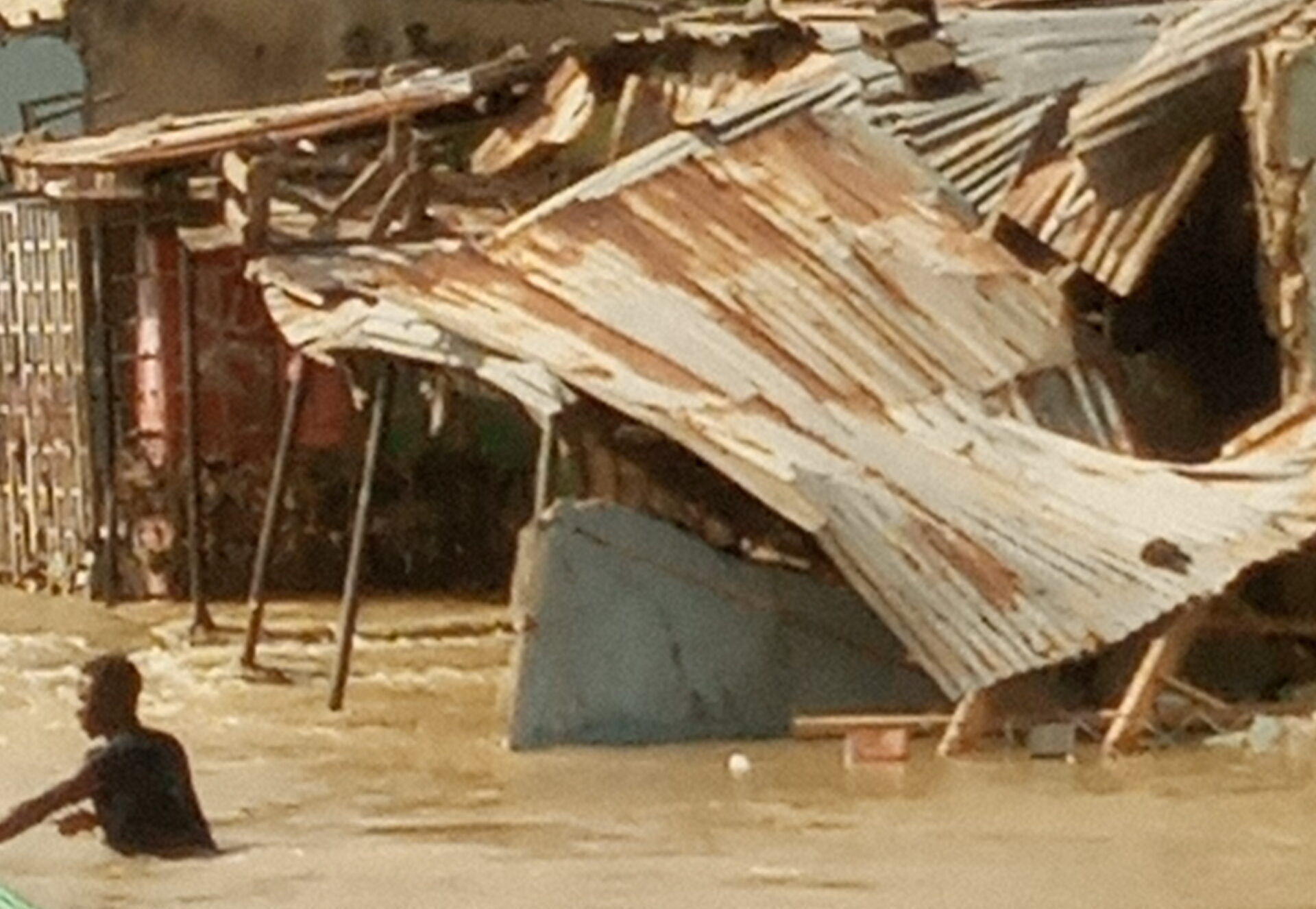
On the fifth day of flooding in Maiduguri, the capital of Borno State, rescue teams are still hard at work, searching for survivors and recovering the bodies of those who have tragically lost their lives.
The flood, which began earlier in the week, intensified on Saturday morning, leading to even more devastating consequences for the city and its inhabitants.
Many homes have been completely destroyed, leaving over two million people displaced and without shelter.
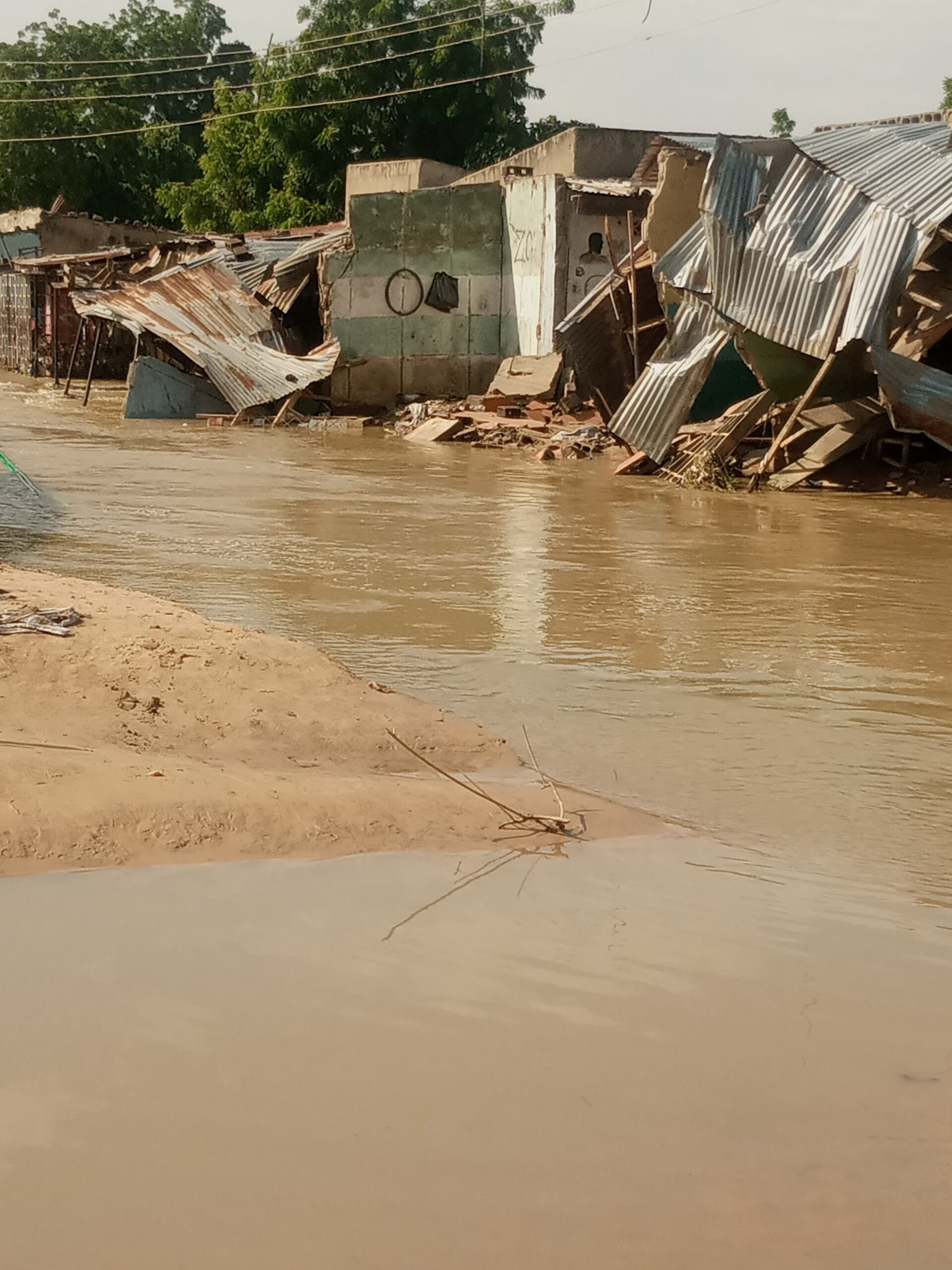
The city’s infrastructure has been overwhelmed by the rising waters, with entire neighborhoods submerged, forcing thousands to flee.
The scale of the destruction is immense, and reports indicate that many bodies remain trapped under the floodwaters, complicating rescue efforts.
Residents of Maiduguri are facing a humanitarian crisis, with limited access to food, clean water, and medical supplies.
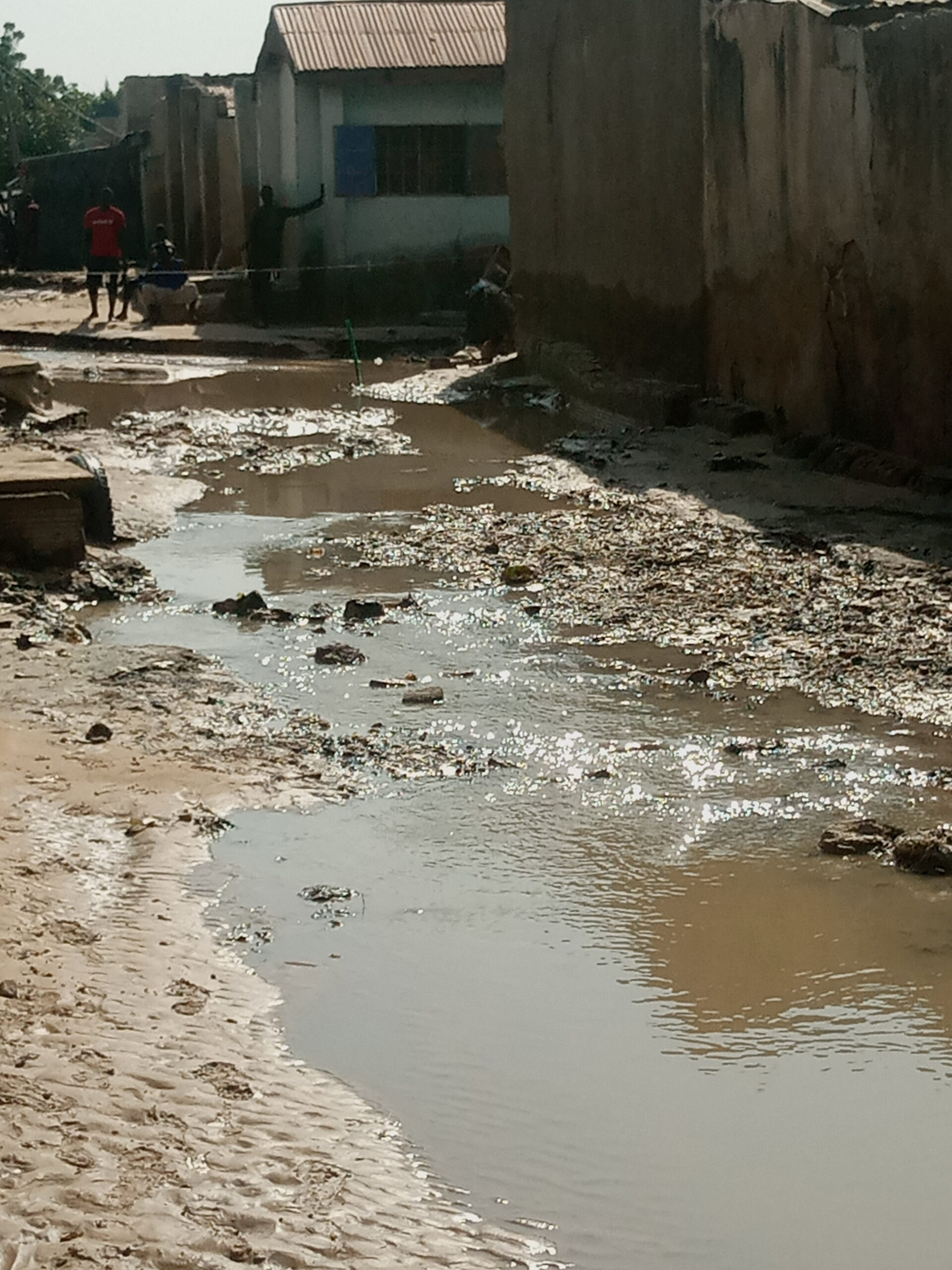
The situation remains dire as authorities struggle to provide adequate relief to those affected by the disaster.
Emergency services are working around the clock, but the sheer magnitude of the crisis is straining available resources.
Local officials have called for immediate assistance from the federal government and international organizations to help manage the ongoing rescue operations and provide aid to the displaced population.
With millions of people now homeless, Maiduguri faces a long road to recovery in the aftermath of this catastrophic flood.
The full extent of the damage is still being assessed, but it is clear that the city will need substantial support to rebuild and care for the displaced population.
The priority for now remains the continued rescue of those trapped and the delivery of emergency aid to those in desperate need.


