

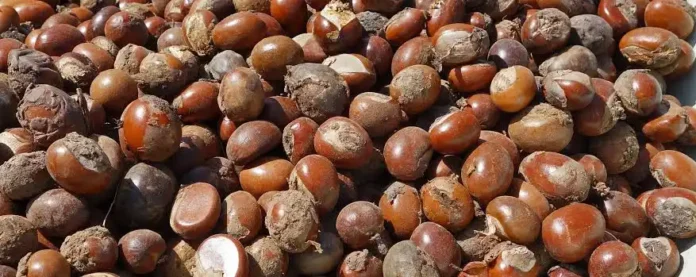
President Bola Ahmed Tinubu has approved a one-year extension of the ban on the export of raw shea nuts, reinforcing the Federal Government’s push to accelerate local industrialisation and value addition in Nigeria’s agricultural sector.
In a statement issued by the presidential spokesman, Bayo Onanuga, and made available to The News Chronicle on Wednesday, noted that the policy signals a sustained commitment to transforming Nigeria from a raw-material exporter into a value-adding industrial economy.
The renewed directive takes effect from February 26, 2026, to February 25, 2027.
According to the presidency, the move is designed to deepen domestic processing capacity, create jobs across shea-producing communities, and reposition Nigeria as a stronger exporter of finished, value-added products rather than raw commodities.
Coordinated Implementation Across Key Agencies
To drive the policy, the President mandated the Federal Ministry of Industry, Trade, and Investment and the Presidential Food Security Coordination Unit to jointly implement a unified, data-driven national framework aligning industrialisation, trade, and investment priorities within the shea value chain.
Tinubu also approved the adoption of an export framework developed by the Nigerian Commodity Exchange, alongside the withdrawal of all waivers previously granted for the direct export of raw shea nuts.
Under the new directive, any surplus raw shea nuts must be exported strictly through the NCX-regulated system in line with approved guidelines.
Financing Support for Local Producers
The President further directed the Federal Ministry of Finance to open a dedicated NESS Support Window.
The facility will enable the Industry Ministry to pilot a Livelihood Finance Mechanism to strengthen production, aggregation, and local processing capacity.
Officials say the intervention is expected to unlock financing for processors, cooperatives, and smallholder farmers across Nigeria’s savannah belt.
Why Shea Matters to Nigeria’s Economy
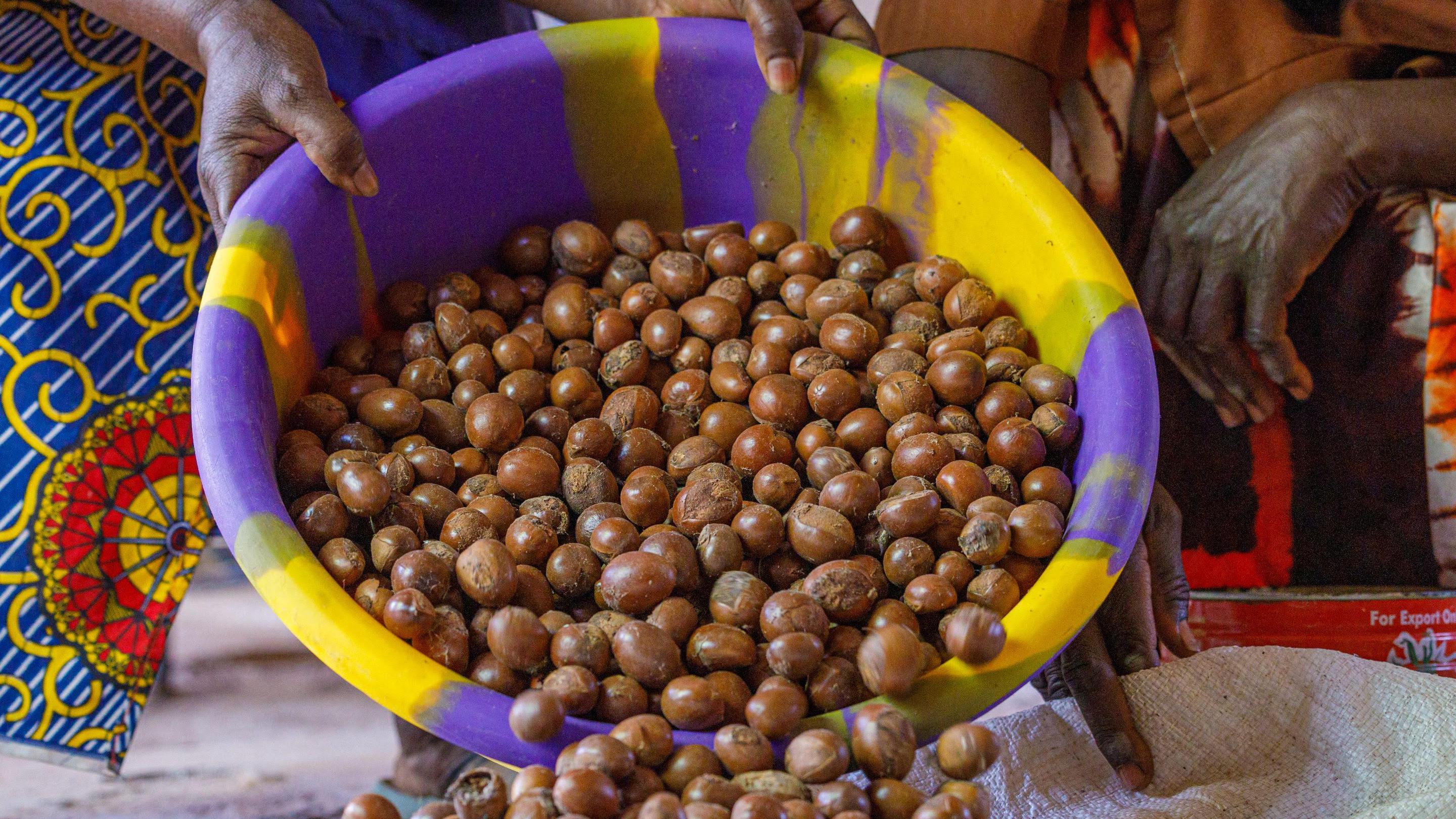
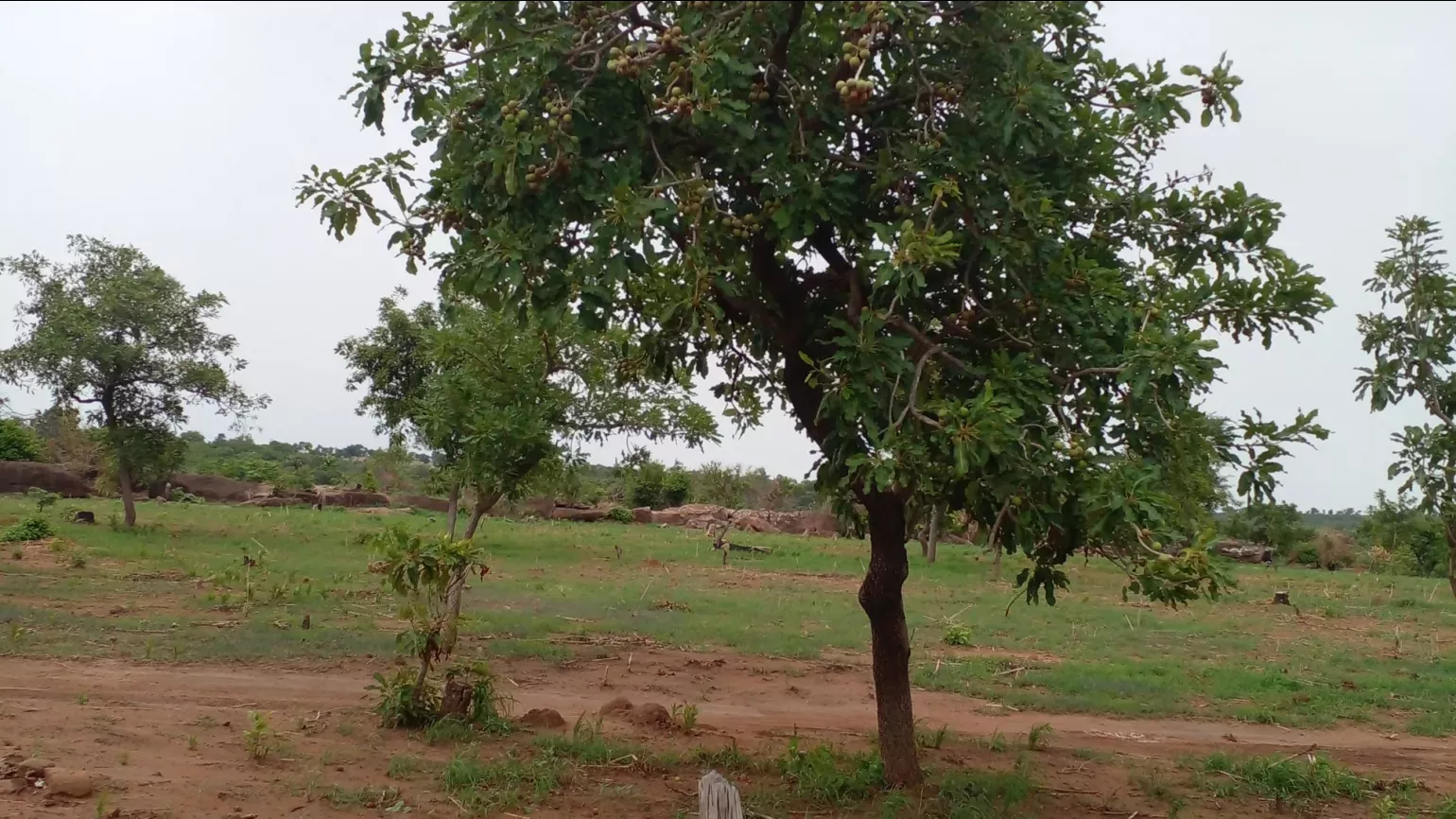
Shea nuts—oil-rich fruits from the shea tree, widely found in northern Nigeria, are processed into shea butter, a globally traded commodity used in cosmetics, pharmaceuticals, and food production due to its moisturising, anti-inflammatory, and antioxidant properties.
Government data indicates that processed shea butter can fetch 10 to 20 times the price of raw nuts, a gap authorities say Nigeria must capture locally to maximise export earnings and rural incomes.
Renewed Hope Agenda Focus
The extension aligns with the administration’s Renewed Hope Agenda, which prioritises inclusive growth, domestic manufacturing, and Nigeria’s integration into higher-value global supply chains.


