


For millions of Nigerians, the daily commute has become an unofficial tax on survival, consuming a significant portion of their wages before the workday even begins.
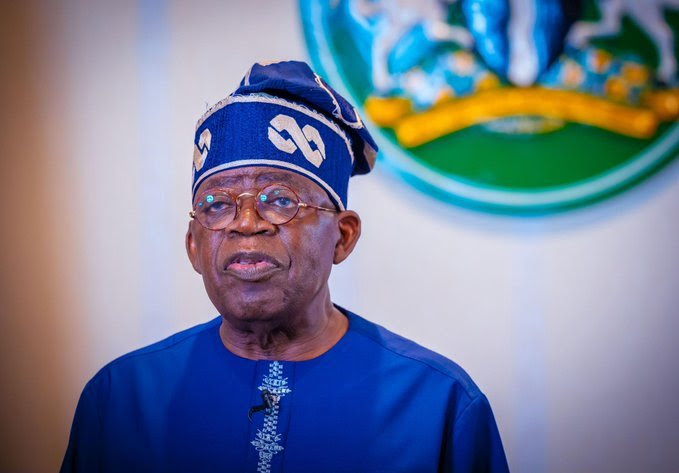
President Bola Ahmed Tinubu has described his administration’s push for Compressed Natural Gas (CNG) as more than an energy transition, presenting it as a strategy to reduce transportation costs and a key pillar of his 2027–2031 agenda.
In an appeal to commuters, the President outlined plans to replace the former fuel subsidy regime with gas-powered mass transit and domestic vehicle manufacturing. Rather than subsidising imported petrol, the administration is focusing on reducing transportation costs through locally sourced gas and reviving Nigeria’s dormant industrial infrastructure.
Central to this industrial drive is Ibadan, Oyo State, where the former Leyland automotive plant is expected to resume operations following plans by Chinese automotive manufacturer Yutong to establish a CNG bus assembly facility at the site.
Following an invitation from the Presidency, Yutong, one of the world’s largest bus manufacturers, is partnering with the Presidential Initiative on CNG and Electric Vehicles (Pi-CNG & EV) to supply an initial batch of 300 buses for the National Affordable CNG Transit Programme.

Tinubu is rarely seen in public without his trademark Yoruba cap (“fila”), making it one of the most recognizable elements of his public image.
The first 100 buses are expected to arrive as early as next month, while subsequent fleets will be assembled locally in Ibadan through YP Automobiles.
The initiative is expected to create employment opportunities for Nigerian engineers, technicians and factory workers while strengthening the country’s domestic automotive industry.
While the assembly plant represents the administration’s medium-term industrial strategy, Tinubu cited reductions in transportation fares across at least 10 states and the Federal Capital Territory as evidence of the programme’s early impact.
READ ALSO: Tinubu Targets 40% Cut in Transport Fares, Unveils 300 CNG Buses for Nigerians
On participating CNG routes, fares between Enugu and Nsukka have reportedly dropped by 60 per cent, from N4,000 to N1,600. In other locations, commuters reportedly pay a flat fare of N50 in Borno State, while free CNG-powered transport services are available in Kaduna State.
To support the expansion of the programme, the Federal Government is also working with private-sector investors to improve CNG infrastructure, alongside a presidential directive to deploy an additional 1,000 CNG refuelling units nationwide.
Looking ahead, Tinubu linked the transportation reforms to his Reforms to Prosperity Agenda for 2027–2031, pledging to reduce fares by approximately 40 per cent on participating routes.
Acknowledging the economic difficulties Nigerians have faced since the introduction of his administration’s reforms, the President said the transition to natural gas-powered transportation was intended to provide a more sustainable alternative to petrol subsidies and reduce the financial burden of commuting on workers.