

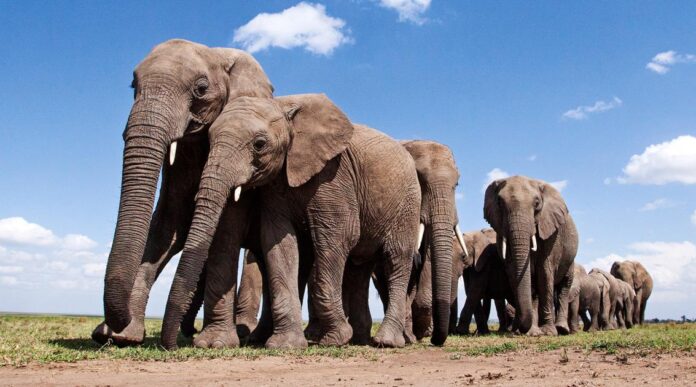
African Savanna (Bush), African Forest, and Asian.
The ears of African elephants are much larger than those of their Asian cousins and are often described as shaped like the African continent, whereas the ears of Asian elephants are shaped like the Indian subcontinent. There’s also a trunk difference – African elephants have two ‘fingers’ at the tip of their trunks, whereas Asian elephants have one.
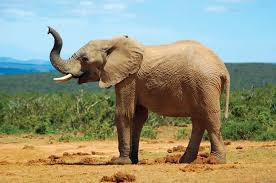
The African Savanna (Bush) elephant is the world’s largest land animal, with adult males, or bull elephants, standing up to 3m high and weighing up to 6,000kg on average. Males only reach their full size at 35-40 years – that’s well over half their lifespan, as wild elephants can live for up to 60-70 years.
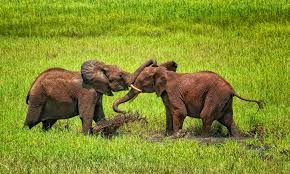
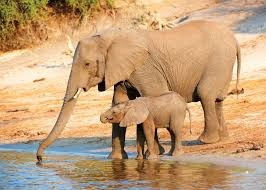
A newborn calf can usually stand up and walk within 20 to 60 minutes of being born. Similar to human babies sucking their thumbs, young elephant calves often suck their own trunks for comfort. Calves are born blind, but they use their trunks and sense of smell to navigate and stay close to their mothers. A baby elephant can weigh 120kg – that’s almost 19 stone.
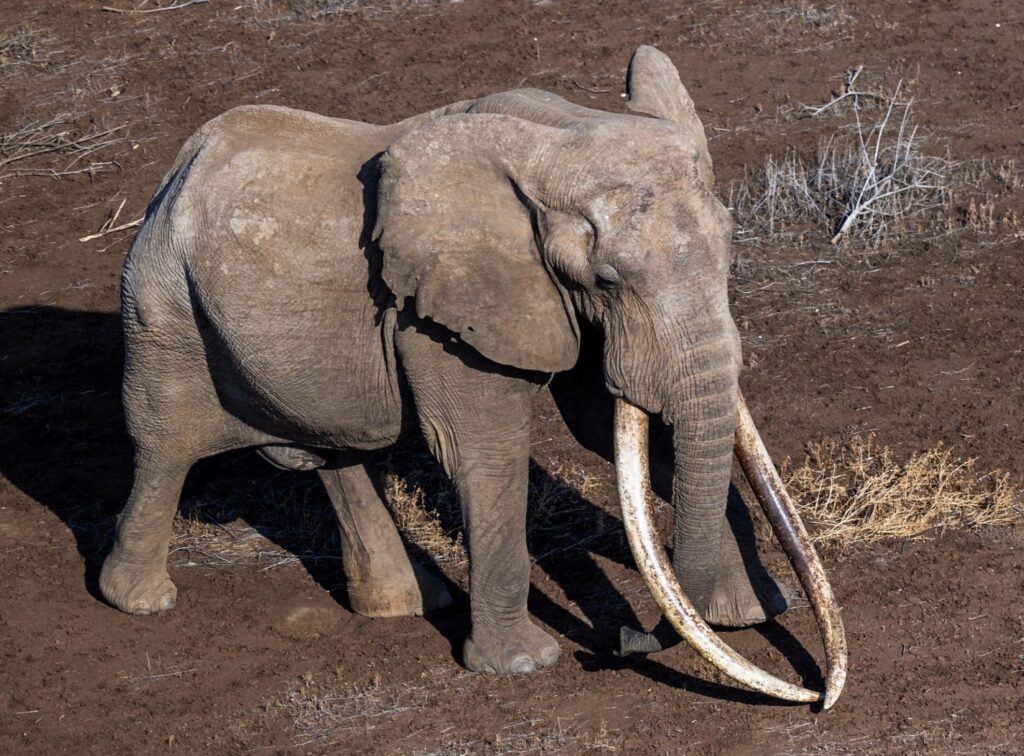
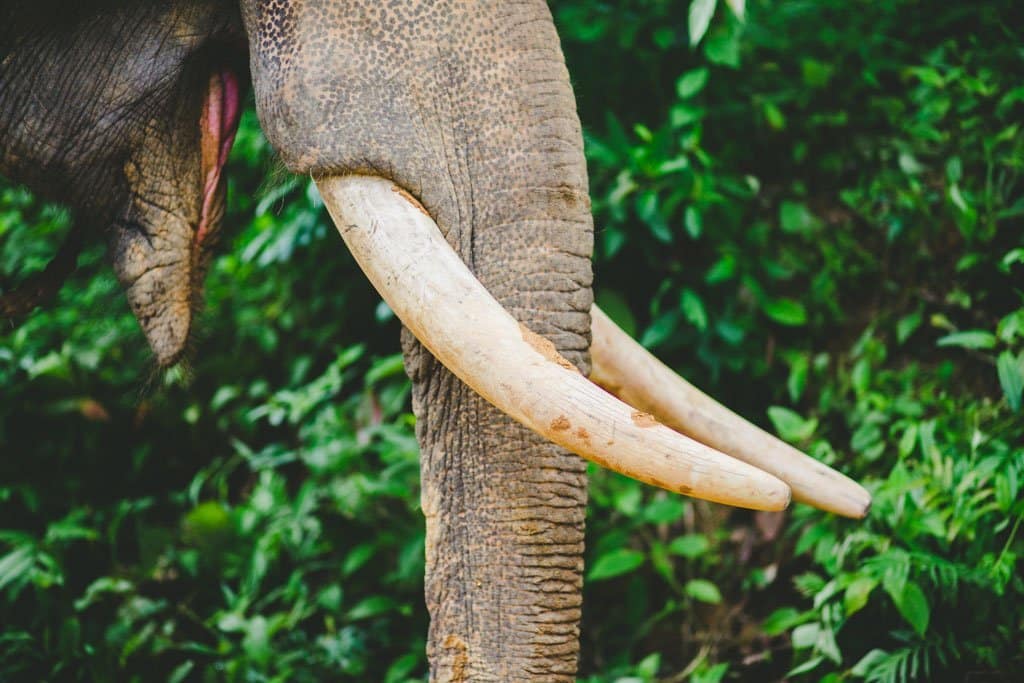
Tusks continue growing throughout their lives.
Tusks are used to help with feeding – prising bark off trees or digging up roots – or as a defense when fighting.
But these beautiful tusks often put elephants in danger because they are made of ivory, a highly sought-after material.
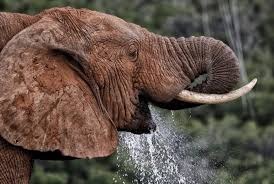
Their trunks are perhaps the most sensitive organ found in any mammal, and they can get sunburnt.
To protect themselves, they use sand and mud to create a protective “sunscreen” layer.
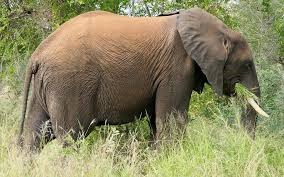
When it’s particularly dry, elephants will eat more woody parts of trees and shrubs, such as twigs, branches, and bark.
They need to eat up to 150kg of food per day, although half of this may leave the body undigested.
Elephants eat so much that they can spend up to three-quarters of their day just eating.
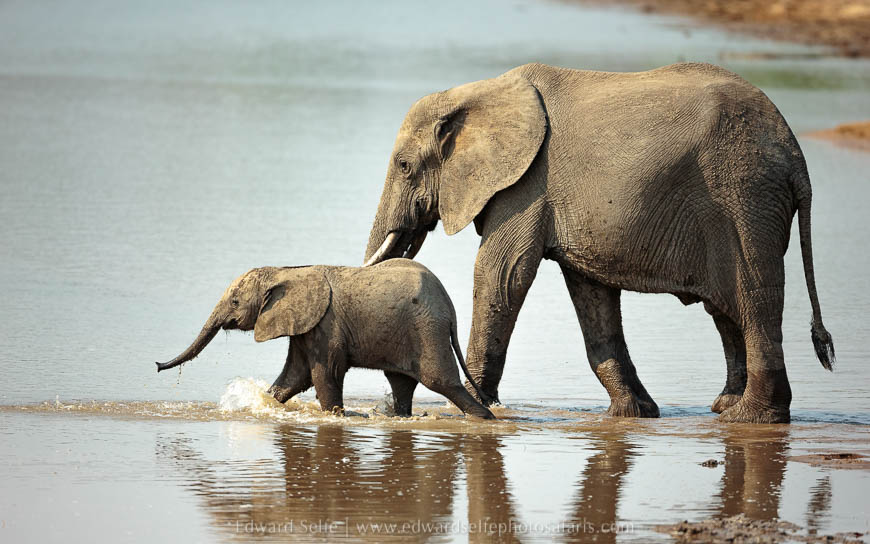
Instead, they use their trunks like a glass, sucking up 8-10 liters of water at a time and then pouring it into their mouths.
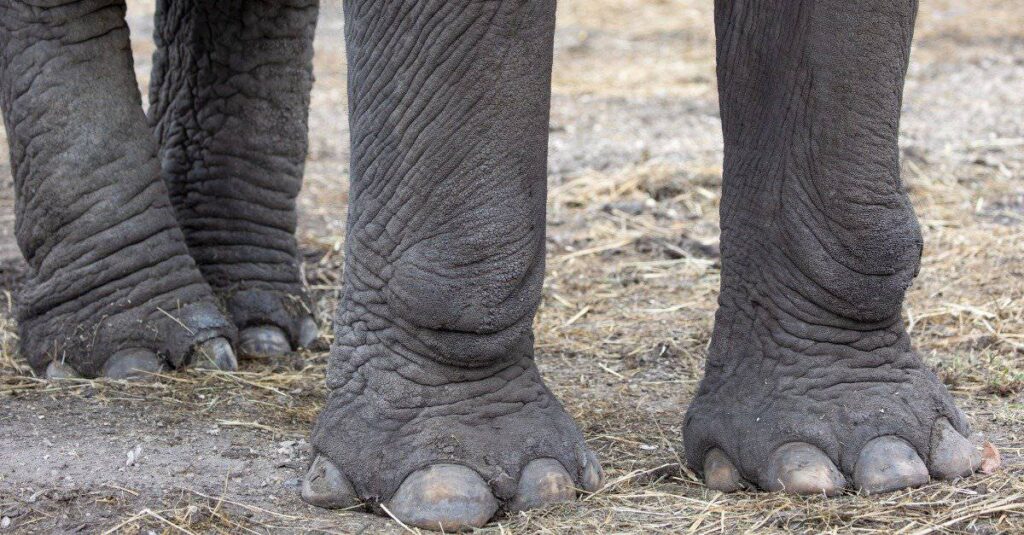
These bones are separated inside a fatty pad that acts as a shock absorber for their massive weight.
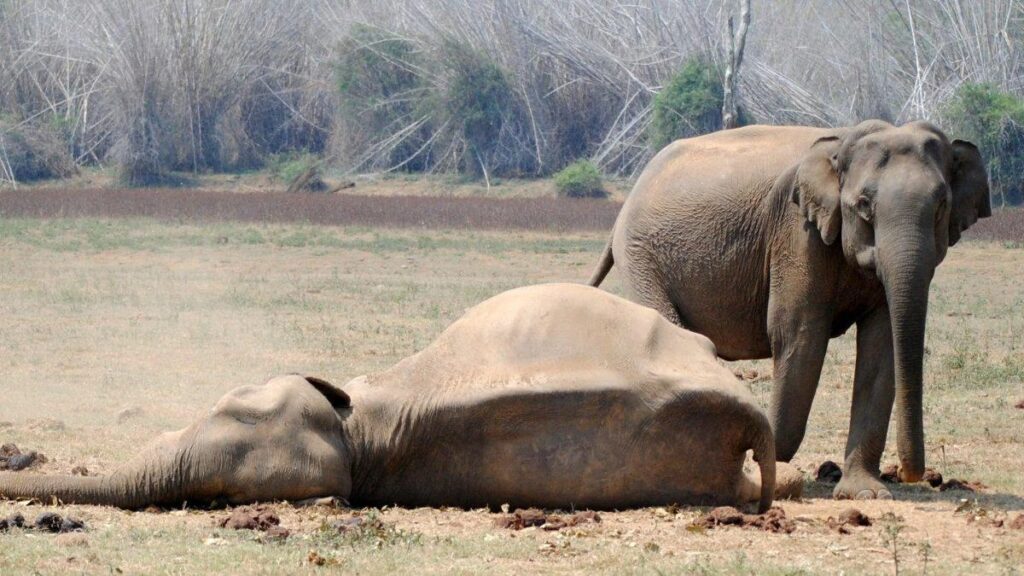
Elephants’ brains are also the largest of any land animal, weighing about 4.8-5kg. They can remember individual humans and other elephants for decades and recall the location of waterholes during severe droughts.
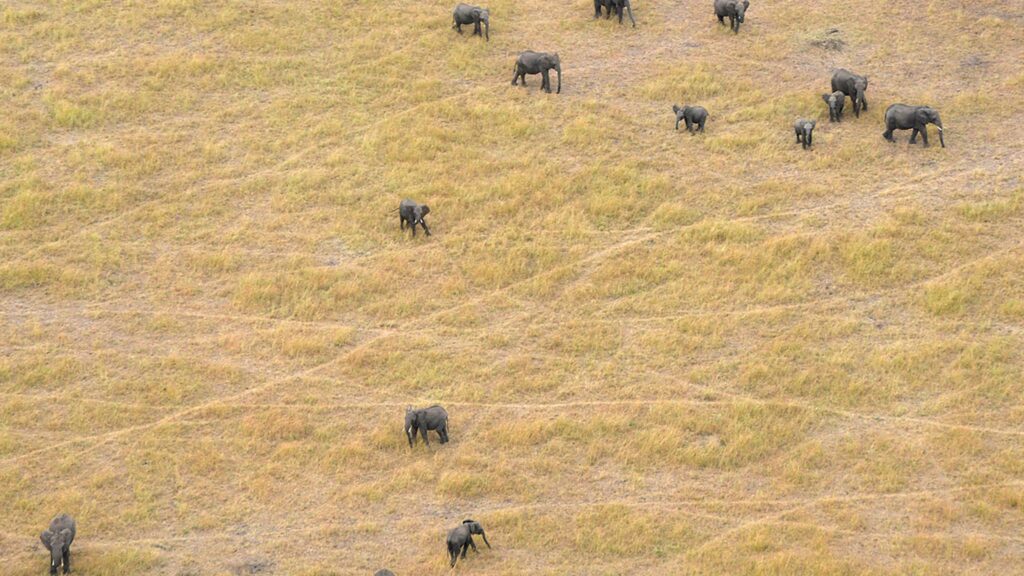
Asian elephants are also under threat, having declined by at least 50% in the last three generations.
There are only around 48,000–52,000 individuals left in the wild.


