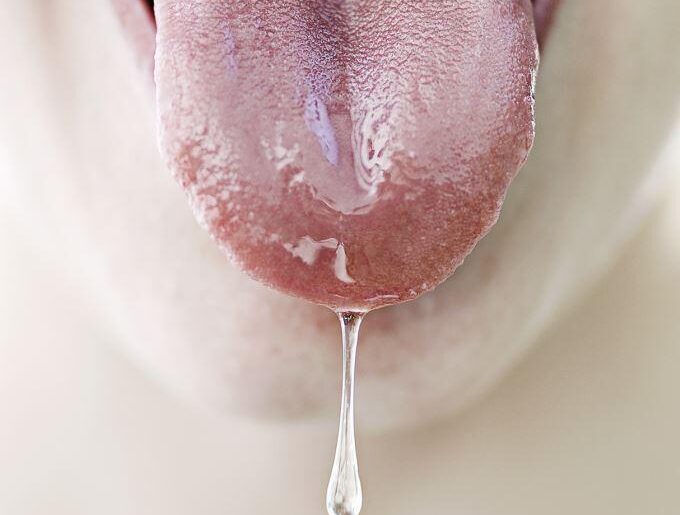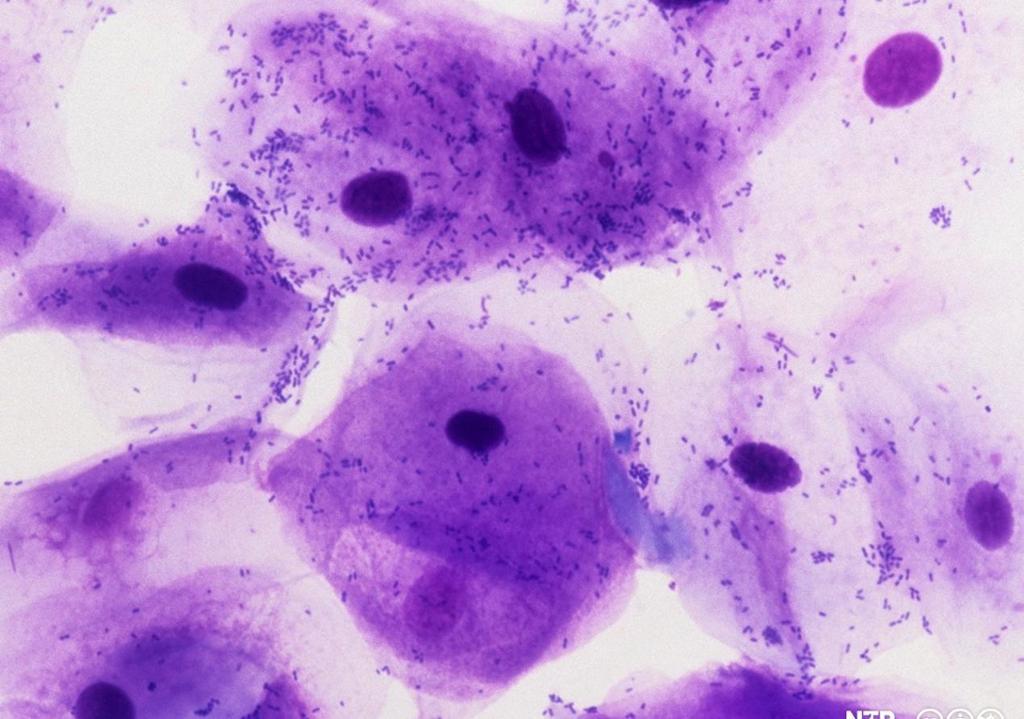
That is enough to fill a large bottle every day, although production varies from person to person.
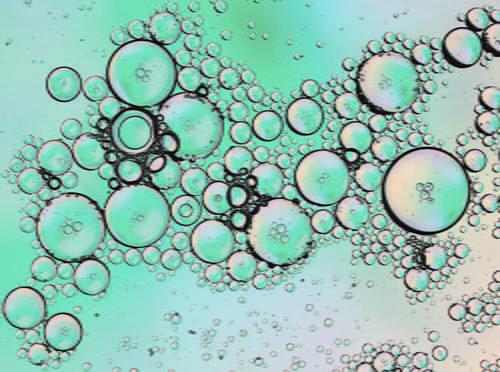
An enzyme called amylase begins breaking down starches while food is still in your mouth.
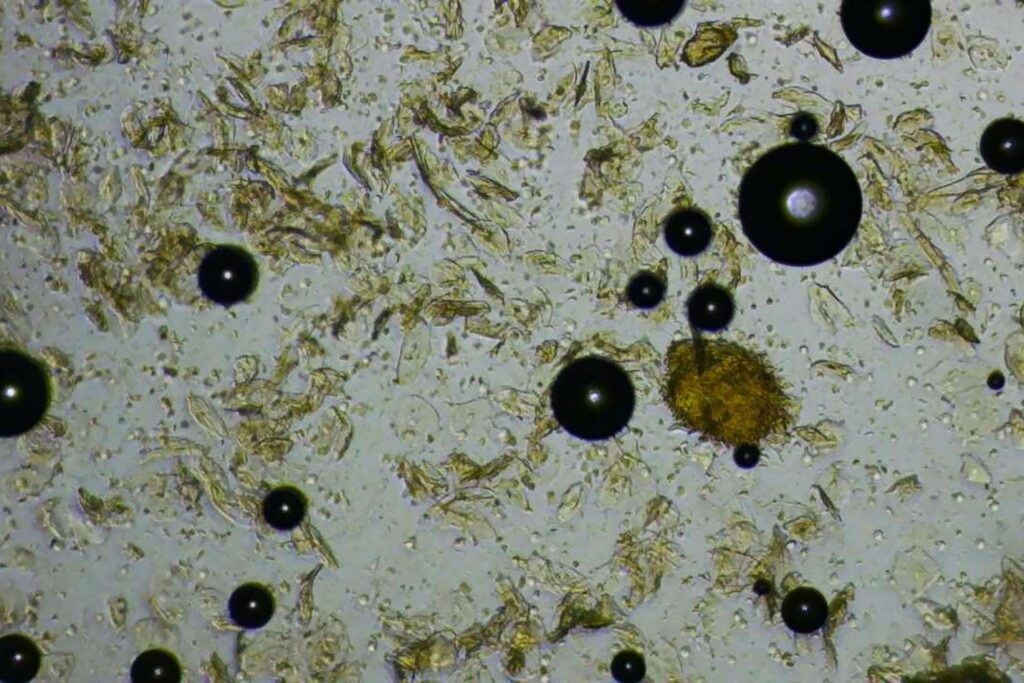
It helps wash away food particles and contains minerals such as calcium and phosphate that help repair and strengthen tooth enamel.
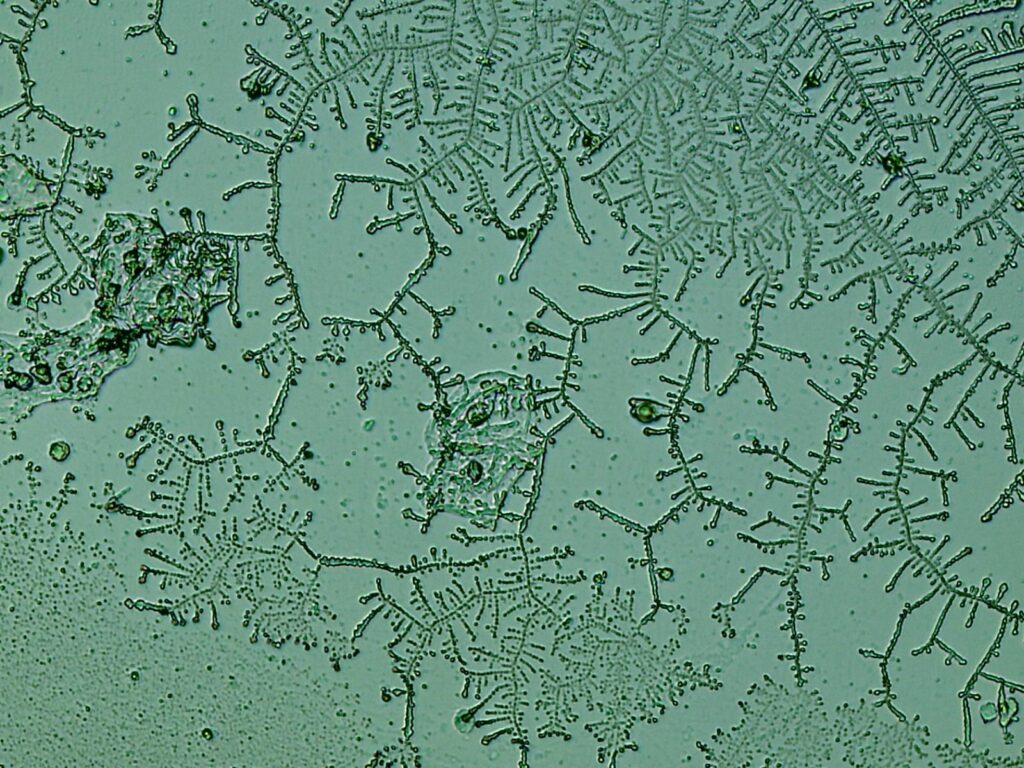
Saliva production drops significantly at night, which is one reason your mouth can feel dry and your breath may smell worse when you wake up.
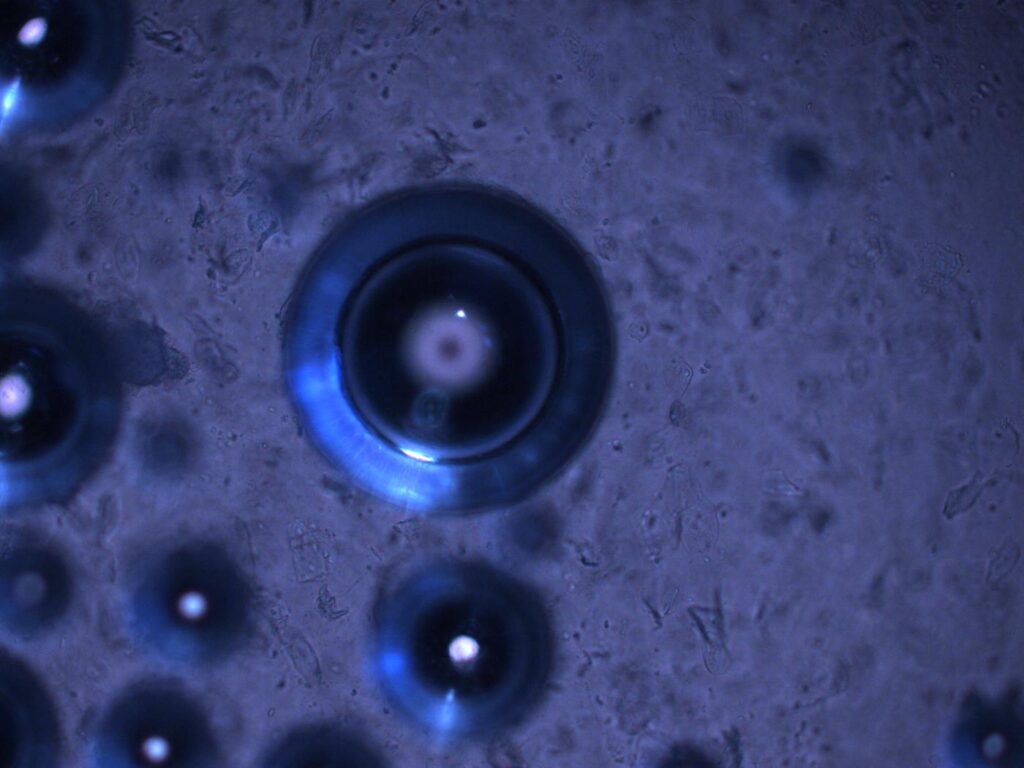
Taste molecules need to dissolve in saliva before they can properly interact with taste receptors on your tongue.
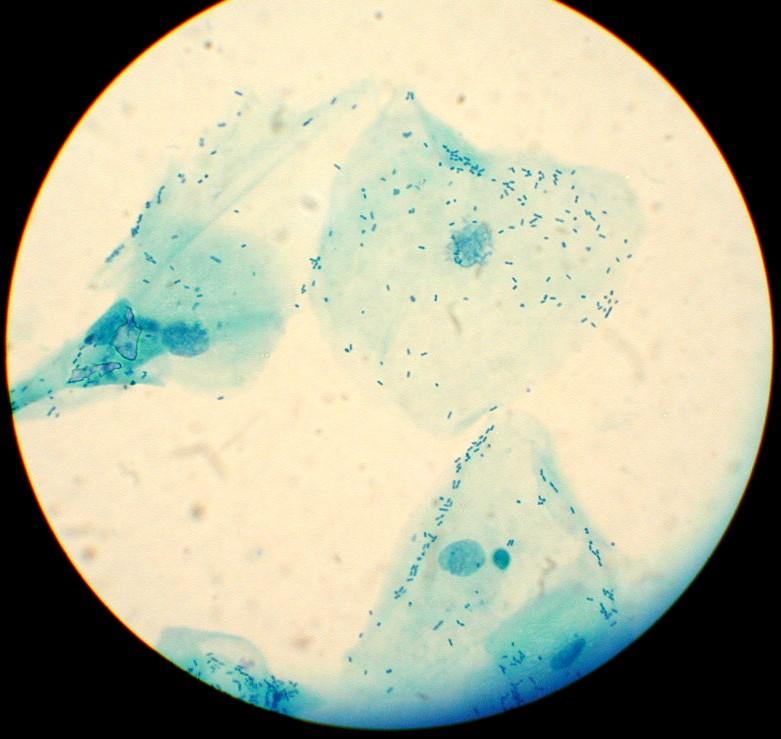
The mouth can heal surprisingly quickly, partly because saliva contains proteins and other substances involved in tissue repair and protection.
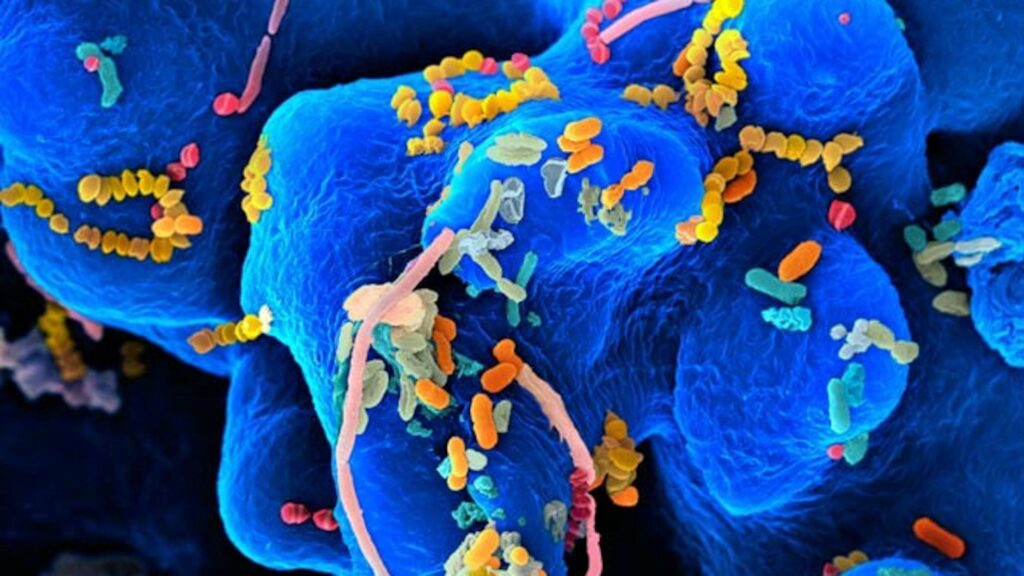
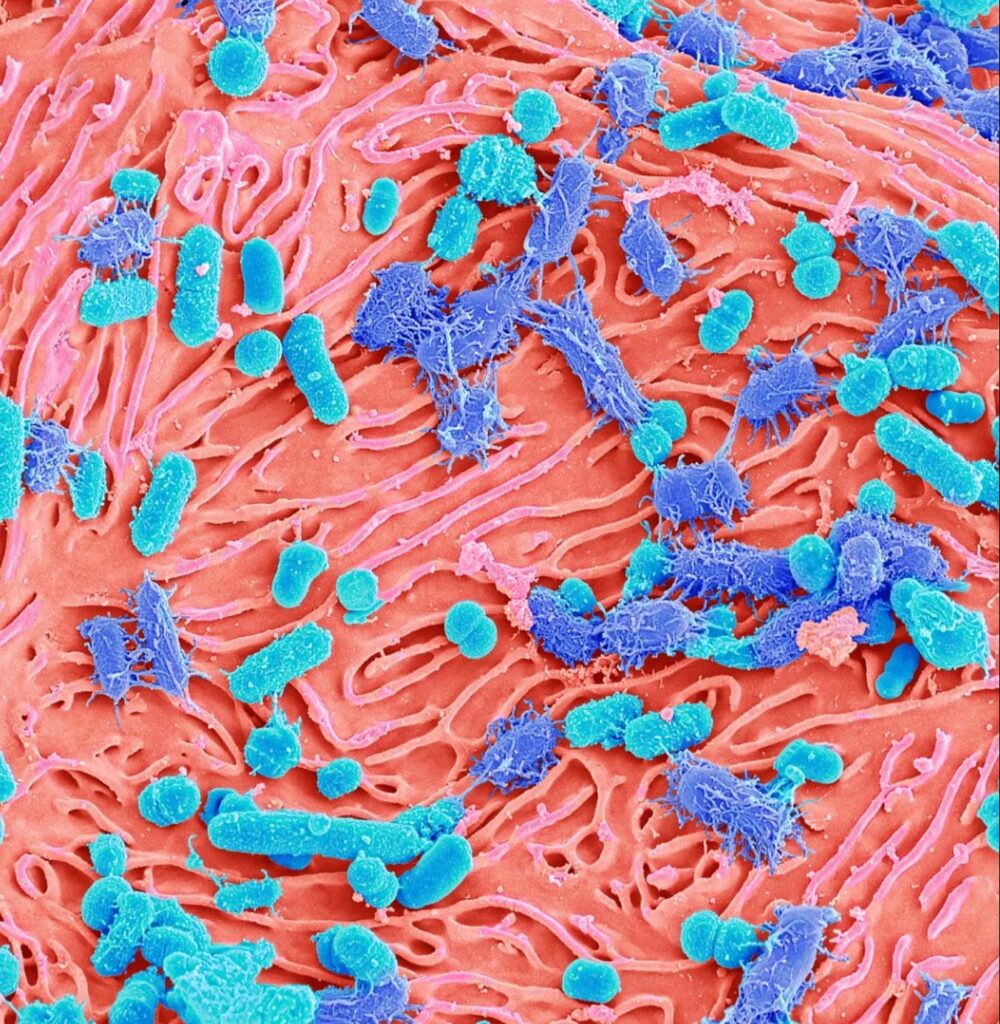
It contains antimicrobial components that help keep some potentially harmful microorganisms under control.
Stress can alter both the amount and composition of saliva, which can leave your mouth feeling unusually dry.
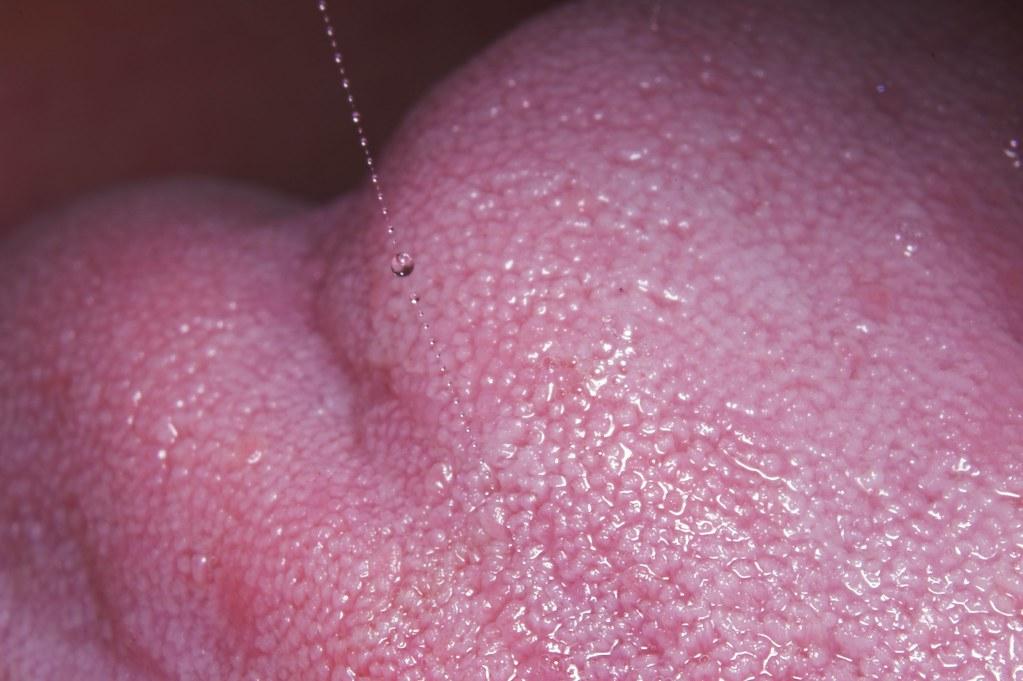
Adequate moisture in the mouth allows the tongue and other structures involved in speech to move smoothly.
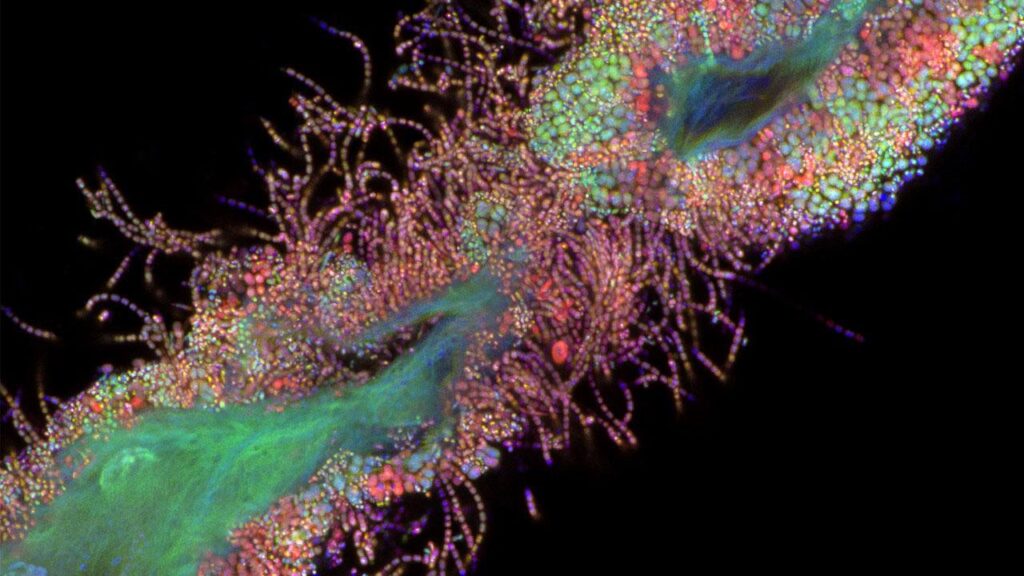
Saliva contains DNA, hormones, proteins, and other biological molecules, which is why researchers and healthcare professionals can use saliva in certain medical and diagnostic tests.