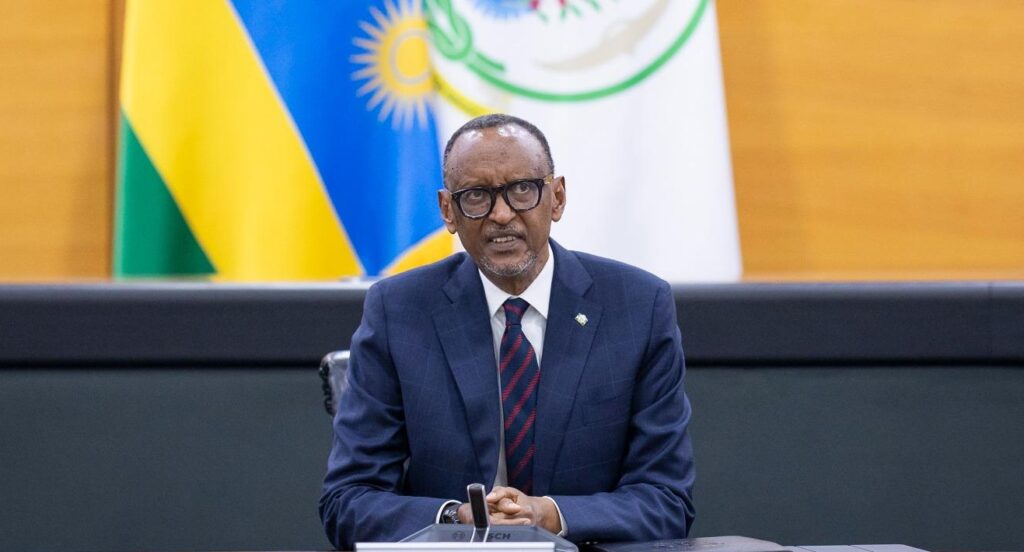
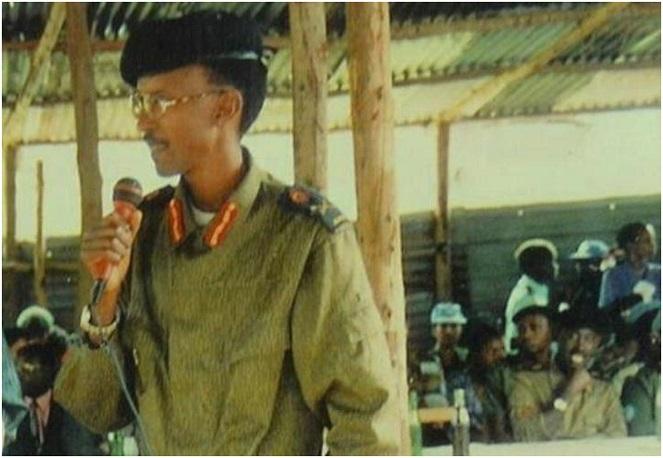
Kagame was born in Rwanda in 1957, but his family fled to Uganda when he was a young child amid violence against Tutsi communities. He grew up partly in a refugee camp.
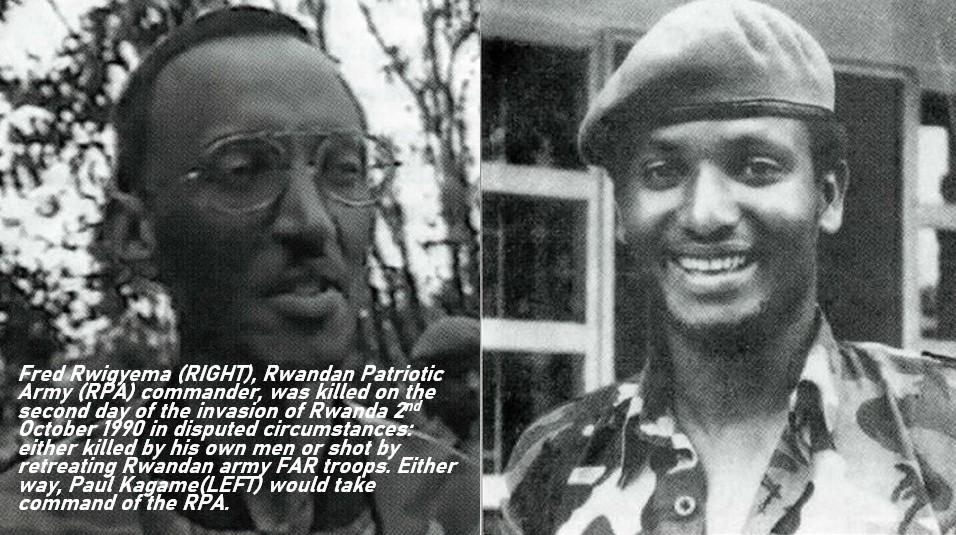
Rwigyema, who later became a founding leader of the Rwandan Patriotic Front (RPF), was one of Kagame’s childhood friends. After Rwigyema was killed shortly after the RPF’s 1990 invasion of Rwanda, Kagame returned from military training in the United States and took command of the movement.
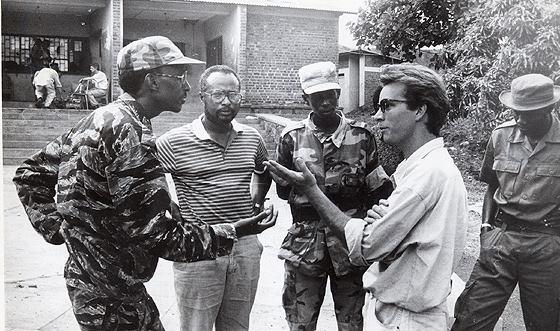
Before becoming Rwanda’s leader, Kagame joined Yoweri Museveni’s rebellion in Uganda. He became part of the military force that eventually brought Museveni to power in 1986.
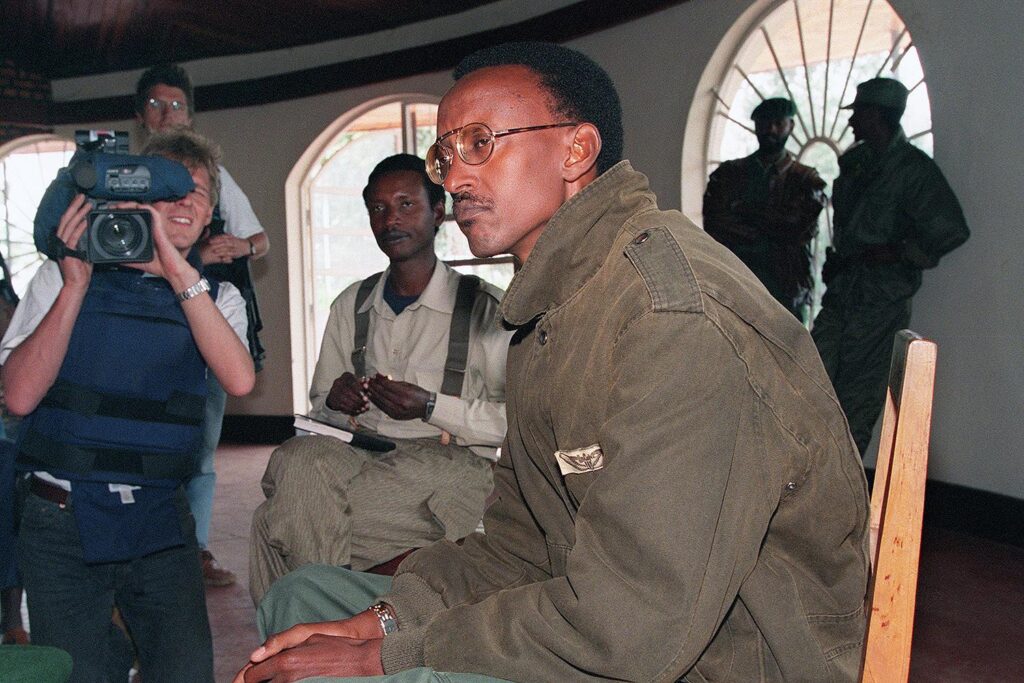
Kagame’s military career was not initially about commanding conventional armies. He served in intelligence roles in Uganda before becoming one of the senior figures in the Rwandan Patriotic Front.
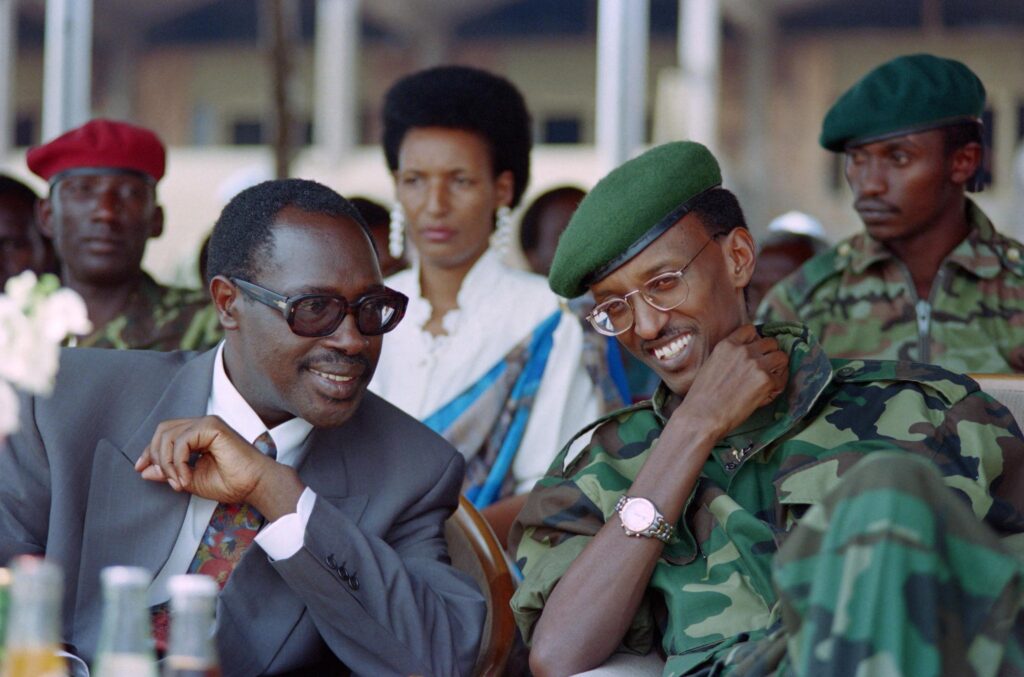
In October 1990, when the RPF launched its offensive into Rwanda, Kagame was at the U.S. Army Command and General Staff College at Fort Leavenworth, Kansas. He returned to Africa and assumed leadership of the RPF after Rwigyema’s death.
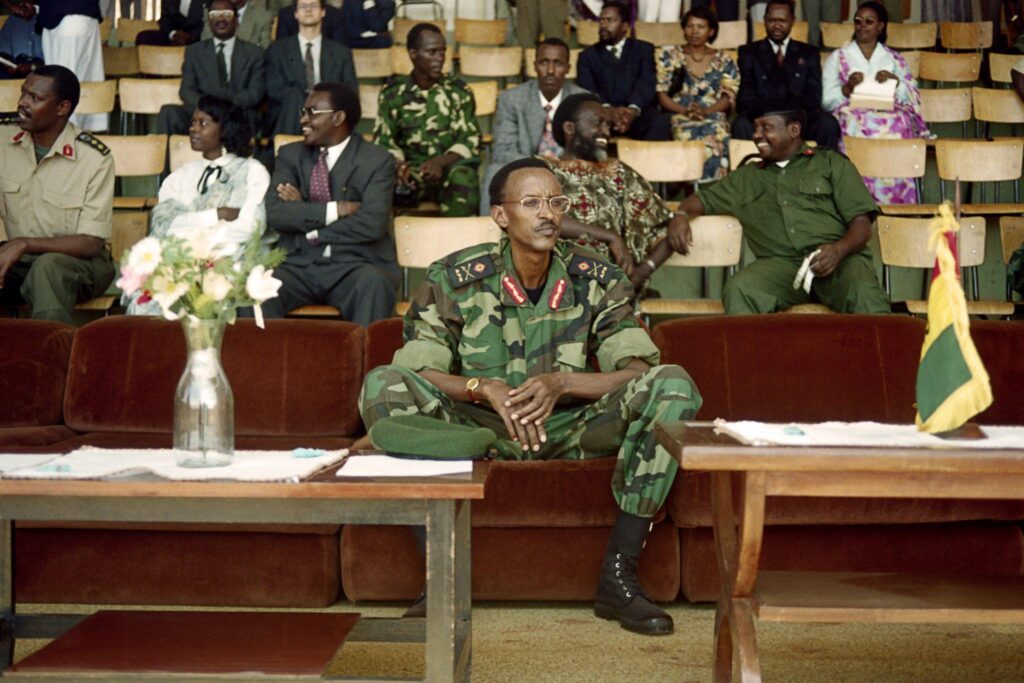
After the 1994 genocide, Kagame became vice president and minister of defence, while Pasteur Bizimungu served as president. Kagame became acting president in 2000 and was sworn in as president on April 22, 2000.
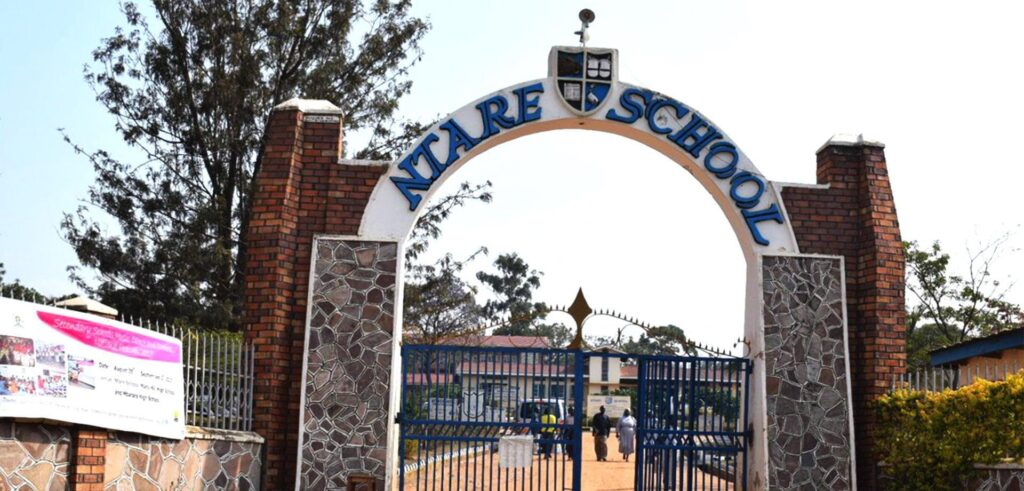
Kagame attended Ntare School, a prestigious Ugandan secondary school that also produced Yoweri Museveni. His academic performance was reportedly strong during his early years there.
Growing up in Uganda meant Kagame was educated in an English-speaking environment. He learned English as a child and attended Ugandan schools, an experience that later distinguished him from many Rwandans educated primarily in the Francophone system.
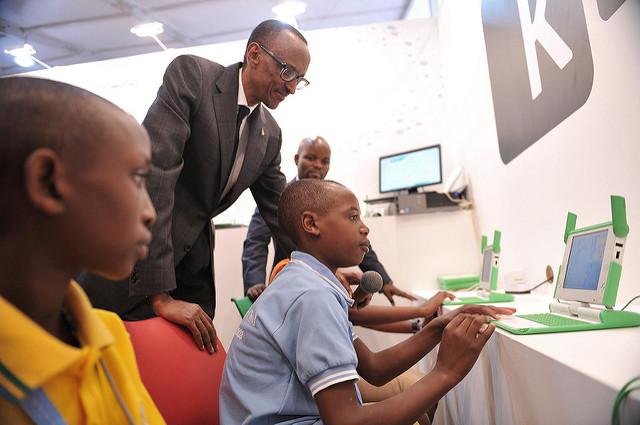
Kagame has consistently promoted technology and digital connectivity as part of Rwanda’s development strategy. His official biography notes his role as a co-chair of the Broadband Commission for Sustainable Development.
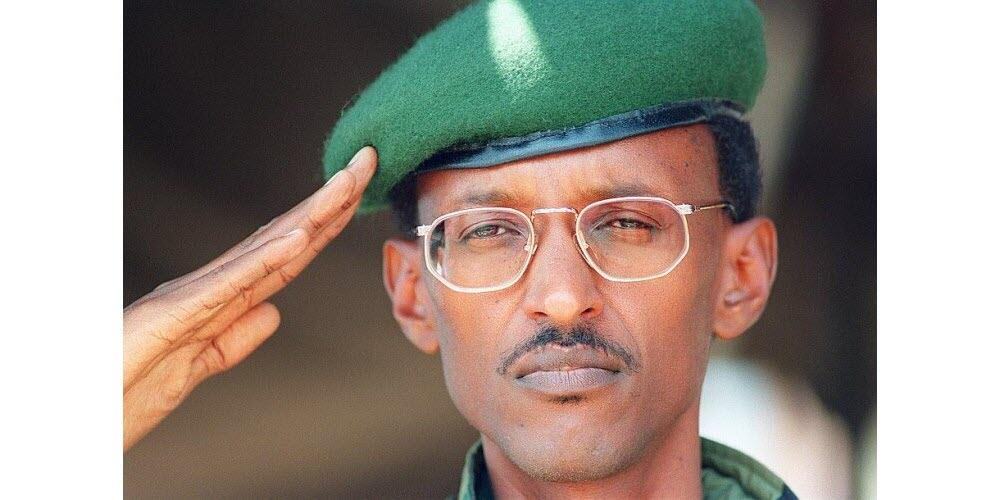
Kagame’s rise was unusually fast: by his mid-30s, he had already served in Uganda’s military, risen through intelligence roles, commanded the RPF and become one of the most influential figures in post-genocide Rwanda.
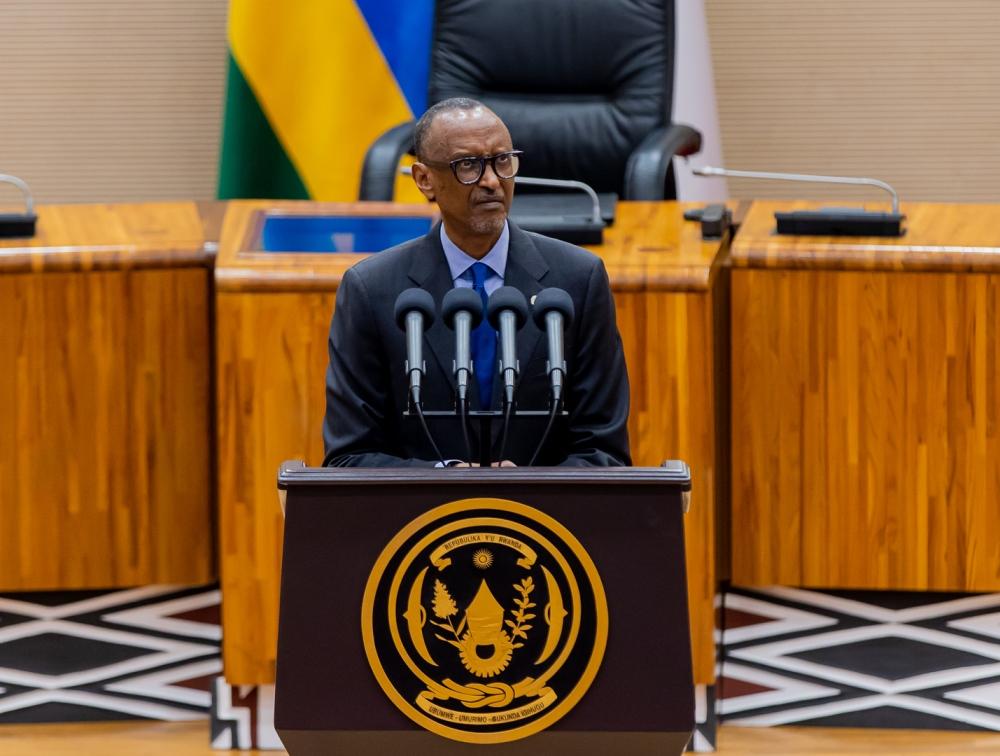
After Kigali fell in July 1994, the RPF established a Government of National Unity headed by Pasteur Bizimungu. Kagame became vice president and defence minister before becoming president in 2000.
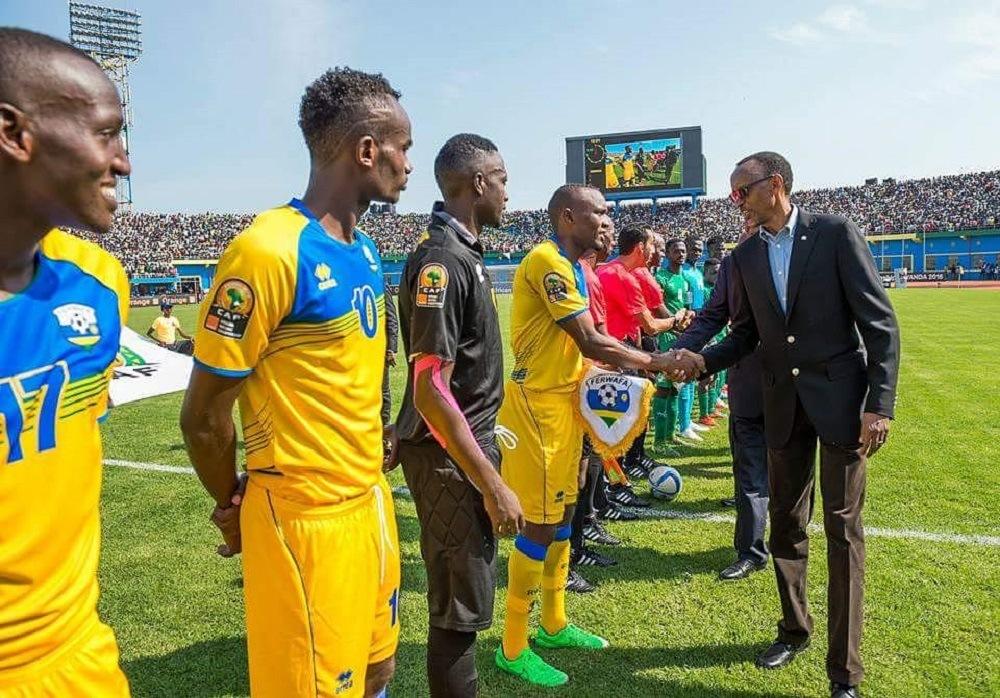
Kagame has argued that sport can help build national unity and has repeatedly supported sporting initiatives as part of Rwanda’s international image and youth development strategy.