

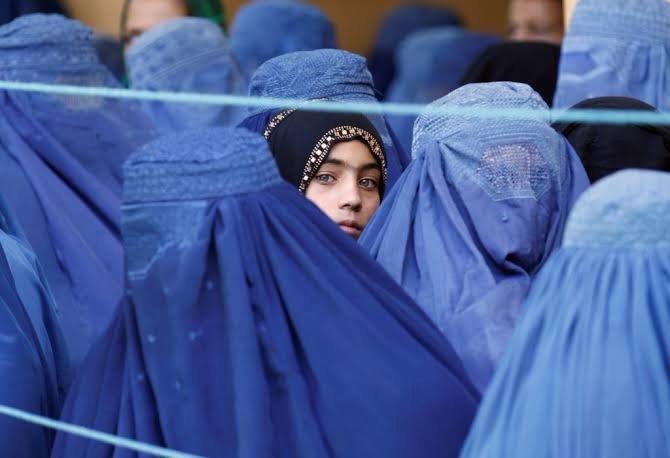
Taliban morality officials in Afghanistan’s Balkh Province have ordered health workers and public employees to replace women’s names with “Bibi” on official papers, medical records and prescriptions, according to reports.
Agents of the Ministry for the Propagation of Virtue and the Prevention of Vice reportedly issued the instruction in May 2026. The Afghan outlet Zan Times and The Guardian investigated the matter and brought it to public attention in November.
“Bibi” is a Dari and Pashto form of address that often refers to a grandmother or older woman. Activist Lalah Osmany also says some people call women “goat” or “cow”. These accounts did not show that a Taliban order requires either of the animal terms. However, Osmany described the practice as a “systematic process of dehumanisation”.
Available reports give no official reason for the instruction. Some communities have long considered public mention of a woman’s first name improper to family honour. This custom provides background but does not establish the officials’ motive.
Reports have not confirmed a nationwide order or the widespread publication of a verified written decree. Some local accounts say people have ignored or resisted the instruction.
Since the Taliban returned to power in August 2021, their measures against women and girls include:
- September 2021: Authorities shut girls out of secondary school.
- December 2021: They barred women from travelling beyond 72 kilometres without a close male relative.
- May 2022: They ordered women to cover their faces in public.
- November 2022: They closed parks and gyms to women.
- December 2022: They suspended women’s university education and ordered NGOs to stop female employees from working.
- April 2023: They extended work restrictions to Afghan women serving the United Nations.
- July 2023: They ordered beauty salons to close.
- August 2024: A morality law required women to cover their bodies, faces and voices outside the home.
- December 2024: Officials stopped private institutions from offering women medical training.
- September 2025: Taliban forces began blocking Afghan women from UN premises.
- January 2026: A criminal procedure decree allowed forms of violence against women and physical punishment of children.
- November 2026: Reports showed that officials had imposed unannounced limits across Afghanistan on male doctors treating women.
The UN verified that authorities detained at least 52 women and one girl in Herat and Kabul between July and September 2026 over alleged dress violations. UN Afghanistan official Georgette Gagnon said in August that authorities “must remove restrictions on women and girls”.
UNICEF says more than 2.6 million girls have missed out on secondary education since 2021. Its Executive Director, Catherine Russell, said: “Afghanistan’s future is outside the classroom, waiting to be let back in.”
READ ALSO: ASUU Urges Tinubu to Pay Outstanding 3.5 Months’ Withheld Salaries
On May 14, 2026, the Taliban published a marriage separation code that rights groups say permits child marriage. It allows officials to treat a girl’s silence after puberty as consent. Amnesty International’s Isabelle Lassee said the code worsens an “already dismal situation” for women and girls.
UN expert Richard Bennett has also warned that boys face child labour, physical punishment, ideological pressure and recruitment by Taliban forces.


