

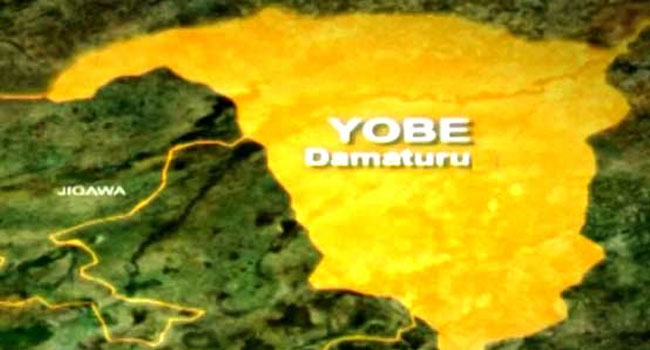
A preliminary report from an investigation into the rising cases of Chronic Kidney Disease (CKD) in Yobe State has revealed the presence of toxic heavy metals in drinking water consumed by residents of Gashua.
The finding was disclosed by Professor Mahmoud Maina, Principal Investigator and Director of the Biomedical Research and Training Centre (BioRTC) at Yobe State University, Damaturu, during an interview with the News Agency of Nigeria (NAN) on Monday.
According to Report, communities such as Gashua, Jakusko, and other settlements along the River Yobe have for years suffered from a high incidence of kidney failure, leading to increased deaths and a growing number of patients.
Professor Bukar Maina, a neuroscientist and Special Adviser to Governor Mai Mala Buni on Science, Research and Innovation, said heavy metals such as cadmium, lead and arsenic are known causes of CKD and should not be present in the environment under normal conditions.
“If these metals are found around you, they do not only cause kidney disease but can also lead to other serious illnesses such as cancer and dementia,” he warned.
The report also indicated that CKD in the area is worsened by existing conditions like diabetes and hypertension. It further showed that fishermen in the affected communities are more vulnerable to the disease compared to other residents.
Professor Maina explained that BioRTC, in collaboration with a team of about 50 experts from the United States, the United Kingdom, Ghana and other countries, collected over 3,000 human and environmental samples. These included urine, blood, food items, farmland soil, river water and borehole water for laboratory analysis.
He said the research team, funded by the Yobe State Government, comprised nephrologists, geologists, chemists, medical doctors, geneticists and environmental scientists.
Highlighting the centre’s advanced research capacity, he noted that small tissue or blood samples can be converted into stem cells in the laboratory and later transformed into brain cells for further scientific study.
Professor Maina commended Governor Mai Mala Buni’s administration for funding the centre’s operations, sponsoring overseas training for staff and constructing a permanent BioRTC complex, scheduled for commissioning in January.
He added that BioRTC was established in 2021 with the support of the university and the state government, and has since trained over 1,000 researchers in science, research and innovation.


