

Five years after a single gunshot shattered a community and ended a promising young man’s life, justice has finally been served.
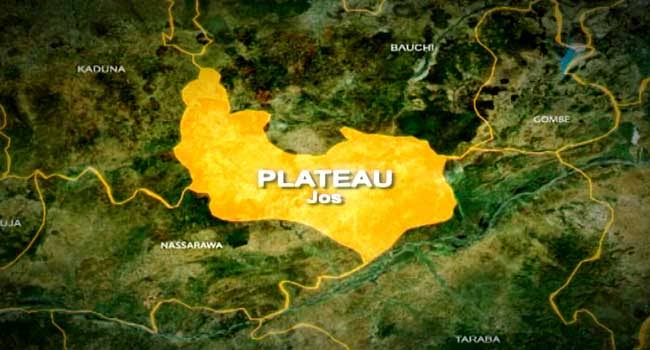
A High Court sitting in Jos, Plateau State, on Monday, December 8, 2025, sentenced police officer Sergeant Ruya Auta to death for the killing of 20-year-old University of Jos (UNIJOS) student, Rinji Peter Bala.
The judgment delivered half a decade after the tragedy brought a measure of accountability but little comfort to a family and community still haunted by the events of that night.
On Mission Street in Hwolshe, Jos South, the COVID-19 lockdown had emptied streets and silenced neighbourhoods.
Rinji, a 300-level student of History and International Relations, stepped out for a brief walk with friends an ordinary act that turned fatal after shouts of “Barawo!” (Thief!) triggered panic.
Soldiers responded to the commotion, arresting Rinji and six others around 7 p.m. Eyewitnesses said the boys were handcuffed, taken to the headquarters of Operation Safe Haven, and severely beaten with boots, sticks, belts and even machetes. They were given no explanation for their arrest.
After more than an hour of torture, the soldiers ordered the boys to collect their belongings and leave the facility. At the gate, they were told to run.
Moments later, at about 8:35 p.m., a gunshot rang out. Sergeant Ruya Auta, on sentry duty, fired at the fleeing youths. The bullet tore through Rinji’s body, rupturing his genitals and causing massive bleeding. He collapsed just metres from safety.
A close friend attempted to reach him, but the officer pointed a gun at him and threatened to shoot. Another soldier eventually shouted “cease fire,” but by then, Rinji was dying.
In a tragic twist, Rinji’s father who had visited the facility searching for his son walked past his lifeless body in the dark, unaware it was his child.
The Plateau State Specialist Hospital confirmed he died from severe gunshot injuries.
Operation Safe Haven later expressed regret, claiming the sentry mistook the boys for escaping suspects following intelligence reports about criminal activities during the lockdown.
The explanation, widely criticised, intensified public outrage and contributed to the nationwide anger that fuelled the #EndSARS protests months later.
For five years, Rinji’s family endured repeated court delays, attending every hearing. Sergeant Auta maintained the shooting was accidental and reportedly showed no remorse throughout the trial.
Delivering judgment on Monday, the court found Auta guilty of murder and sentenced him to death either by hanging or lethal injection. Prosecutors described the ruling as a long-delayed but decisive affirmation that the killing was a capital offence.
Rinji’s father, Peter Bala, held the hand of his son’s friend, Emmanuel Gyang, after the verdict.
“He said he doesn’t celebrate the death sentence,” Emmanuel recalled. “But actions must have consequences.”
Today, Rinji’s portrait adorns a basketball court in Hwolshe an enduring reminder of a life cut short and a community still healing. Though justice has finally spoken, the echo of the gunshot that killed Rinji Peter Bala continues to linger in the hearts of those who loved him.


