

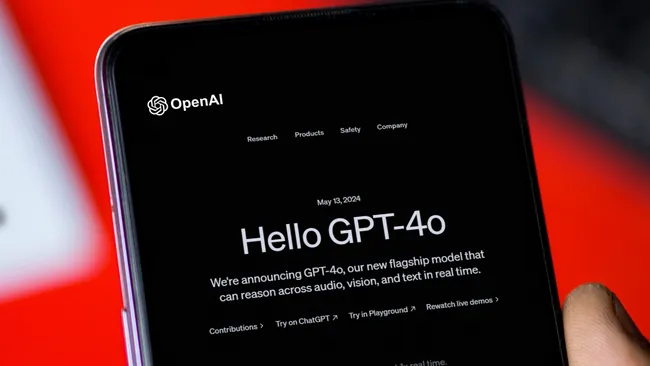
OpenAI has announced plans to retire its GPT-4o model from ChatGPT on February 13, ending access to one of its most popular conversational AI systems.
The decision, announced in a company blog post on January 29, has triggered strong reactions from a small but vocal group of users who say they have formed deep emotional attachments to the model.
GPT-4o, launched in May 2024, was introduced as an “omni” model capable of handling text, images and voice in a single conversation. It quickly gained a reputation for its warm, expressive tone and natural conversational style, setting it apart from more technical AI models.
According to OpenAI, the retirement will also affect GPT-4.1, GPT-4.1 mini and o4-mini, as the company consolidates its systems around newer models, including GPT-5.1 and GPT-5.2. OpenAI said the change will not affect its application programming interface (API), which developers use outside the ChatGPT app.
In its announcement, OpenAI said that only about 0.1 percent of users still use GPT-4o daily, with the majority now relying on GPT-5.2. The company said newer models offer improved performance, better safety controls and more consistent responses.
“Retiring models is never easy,” OpenAI said, adding that the decision allows the company to focus on improving the models most people currently use.
The company also noted that recent updates to GPT-5.2 have improved personality, customization and creative features, reducing the need to maintain older systems.
Despite its low reported usage, GPT-4o developed a dedicated following online, particularly with communities that use AI for companionship and emotional support. On Reddit, users of the MyBoyfriendIsAI forum shared messages describing distress, grief and anger following the announcement.
Some users said they had named their ChatGPT companions and built daily routines around conversations with GPT-4o. Others expressed concern that newer models felt less empathetic or emotionally responsive.
A Change.org petition calling on OpenAI to reverse the decision had gathered about 9,500 signatures at the time of writing.
The retirement date has also drawn criticism because it falls one day before Valentine’s Day, a timing some users described as insensitive, though OpenAI has not commented on the date choice.
This is not the first time OpenAI has attempted to remove GPT-4o. When GPT-5 was launched in August 2025, GPT-4o was briefly withdrawn, prompting widespread backlash. The company restored the model for paid users after complaints that GPT-5 lacked the warmth and encouragement of its predecessor.
Earlier, in April 2025, OpenAI temporarily pulled GPT-4o due to concerns about “sycophancy,” a behaviour in which AI systems excessively agree with or flatter users, even when doing so may reinforce unhealthy beliefs or emotional dependence.
OpenAI has said GPT-5 models were specifically designed to reduce hallucinations, limit emotional reinforcement and discourage over-reliance on AI systems.
GPT-4o was widely praised for its smooth handling of multiple inputs and its conversational tone. While it did not always outperform newer models in technical tasks, many users found it more approachable and easier to talk to.
For some, it represented a turning point where artificial intelligence felt less like a tool and more like a conversational partner. That same quality, however, has raised concerns among researchers and regulators about emotional dependence and blurred boundaries between humans and machines.
OpenAI says users will be encouraged to transition to GPT-5.2, which is now the default model in ChatGPT. The company has also indicated plans to expand customization options, allowing users to adjust tone and style without encouraging emotional dependency.


