

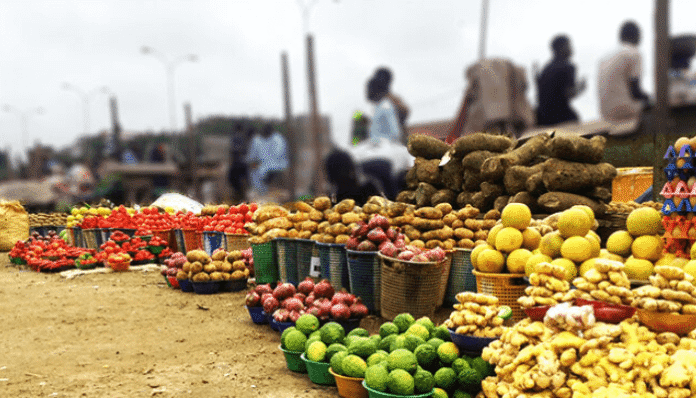
A worsening security situation across northern Nigeria is tightening pressure on food supply and pushing living costs higher, as violence continues to disrupt farming and trade in key states.
From Borno, Yobe, and Adamawa to Kaduna, Katsina, and Kano, areas previously noted for significant agricultural output are now battling with desolate farms, shrinking markets, and decaying transportation systems. Repeated attacks and kidnappings have shut down or relocated farmers, merchants, and small businesses, therefore stifling regional economic activity.
Families throughout northern and central Nigeria are now feeling the effects of conflict zones outside their regions as food prices rise and salaries decline. Analysts claim that what started out as a security concern has grown into a severe economic crisis with consequences for regional stability and national growth.
Many dispossessed farmers cannot return to their fields, The News Chronicle gathered, whereas supply chain disruptions are reducing food supply in urban regions. This has caused rapid increases in the prices of basic meals, thereby stretching already poor households even further.
Economists note that ambiguity is influencing consumer spending and production simultaneously. Falling agricultural production is shrinking supplies; declining earnings are reducing demand. Greater inflation, job losses, and subdued economic growth follow from this result.
Experts also note that investment is gradually shifting away from high-risk areas to safer cities, deepening inequality and prolonging poverty in affected communities, with long-term recovery expected to take years.


