

Nigeria’s portfolio investment increased by 17.6 percent to $7.09 billion in the second quarter of 2026, up from $6.03 billion in the first quarter as foreign investors increased their exposure.
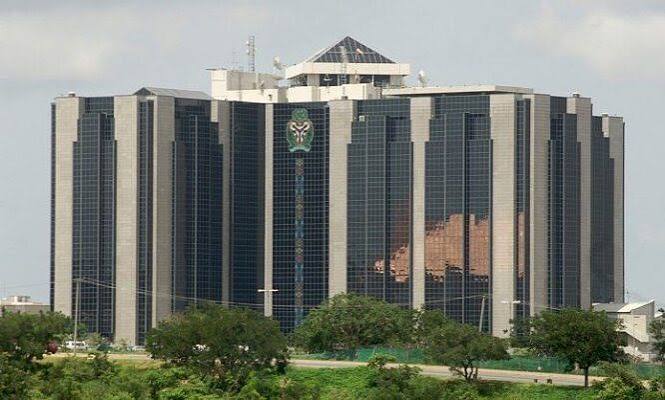
The Central Bank of Nigeria (CBN) said in its second quarter economic report released on Monday, October 26 that it was due to increased inflows into long term general government debt securities.
The News Chronicle reports that direct investment liabilities grew more slowly, rising to $1.15 billion from $1.03 billion, while other investment liabilities more than doubled to $2.75 billion from $1.36 billion
On the whole Nigeria’s net incurrence of financial liabilities increased to $10.84 billion from $8.36 billion in the previous quarter. Portfolio investment accounted for around 65 percent of the second quarter total.
READ ALSO: Tinubu Says Dangote Group Is Nigeria’s Second Largest Employer After Federal Government
However, overall foreign exchange inflows fell by 4.24 percent to $30.03 billion from $31.36 billion in the first quarter. Autonomous inflows increased to $21.91 billion, while inflows through the CBN fell to $8.12 billion.
External reserves increased to $51.39 billion at the end of June from $48.35 billion in March while the average Nigerian Foreign Exchange Market rate increased to N1,365.95 from N1,384.48.
The figures show that Nigeria is still heavily dependent on portfolio flows which are different from direct investment and may not always be invested into productive assets in the long-term.


 said in its second quarter economic report released on Monday....)