

Nigeria’s headline inflation rate fell to 14.63 percent in September 2026 as food prices dropped for the fourth consecutive month, National Bureau of Statistics (NBS) reports.
The rate decreased to 14.63 percent from 15.39 percent in August. It was also 6.35 percentage points lower than the 20.98 percent recorded in the same period last year. It slowed down by 0.06 percent from 0.71 percent on a monthly basis.
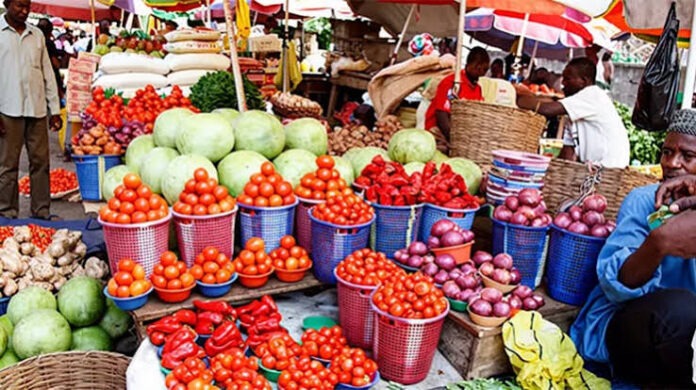
The News Chronicle reports that food inflation was at minus 1.55 percent last month compared to 1.02 percent in the previous month as rice, onion, eggs, tomato and vegetable prices lowered.
Core inflation, which excludes food and energy, then jumped to 1.11 percent against minus 0.06 percent in August, showing that other sectors of the economy are still facing inflationary pressures.
READ ALSO: Nigeria’s FX Demand Hits 15 Year High As Financial Services Gulp $9.64 Billion
Urban inflation was at 15.64 percent year-on-year and 12.46 percent in the rural areas. It also grew by 0.53 percent in the urban areas on a monthly basis as compared to 0.89 percent drop in the rural areas.
Food inflation was at 19.59 percent annually while core inflation declined to 12.95 percent from 22.11 percent a year ago.
The report followed the news that the naira gained to N1333 per dollar at the Nigerian Foreign Exchange Market on October 14 before the release of the inflation data as Nairametrics had earlier reported.
Though the headline inflation rate continued to slow down, rising core prices suggest that the easing has not trickled down the economy uniformly.


