

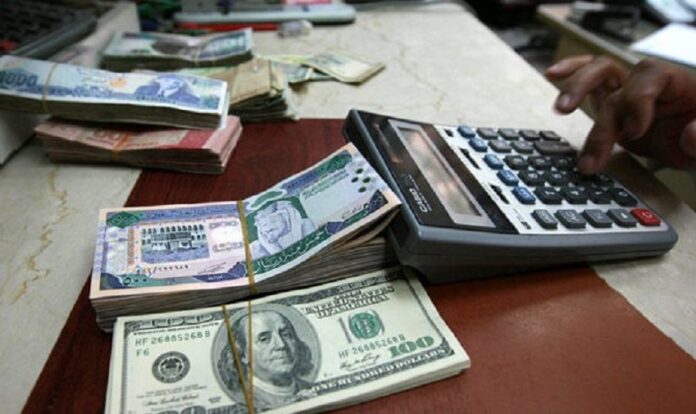
Nigeria’s external reserves recorded a sharp decline of about $855 million within five weeks, raising fresh concerns over pressure on the country’s foreign exchange market despite a stronger year-on-year performance.
According to the most recent data made public by the Central Bank of Nigeria, reserves decreased from $49.18 billion on April 1, 2026, to $48.33 billion as of May 7, 2026. Demand for foreign currency remained high, so the steady downturn persisted throughout April and into early May.
The News Chronicle reports that while reserves fell by over 1.74 percent throughout the review period, present levels remain more than $10 billion higher than those noted around the same time in 2025.
Financial experts think the stress might be linked to rising import payments, increased market interventions, and shifting international inflows. Still, the top bank hasn’t offered an official reason for the current reduction.
Even with the drop, the reserve position is still regarded as a significant advance over prior years, following changes enacted under President Bola Ahmed Tinubu’s administration aimed at raising liquidity and transparency in the foreign exchange market.
In an effort to boost investor confidence and maintain long-term economic stability, the Central Bank remains positive that reserves might reach $51 billion by the end of 2026.


