

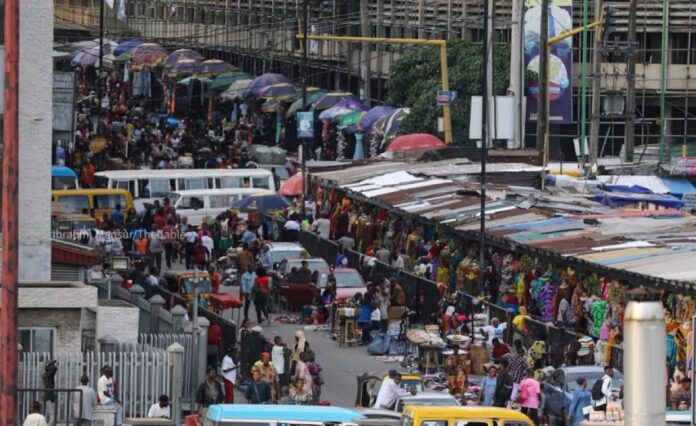
Nigeria’s cost of living crisis is putting growing pressure on households as the country heads towards another election, with many workers struggling to cope despite government efforts to stabilise the economy.
Since President Bola Tinubu introduced major reforms, including the removal of fuel subsidies and naira devaluation, prices of food, transport, electricity and housing have risen sharply.
The cost of preparing a pot of jollof rice has more than doubled since Tinubu took office, while petrol prices have increased several times over. For many families, rising wages have failed to match the pace of inflation.
The News Chronicle reports that the economic squeeze has forced some Nigerians to cut spending, move into cheaper homes, reduce food consumption and depend on short term loans to meet basic expenses.
Investors, however, have responded more positively to the reforms. Nigeria’s stock market has recorded strong gains, while capital inflows reached a six year high last year.
Despite the optimism, access to affordable credit remains difficult as interest rates stay elevated. Millions of Nigerians also remain outside the formal investment market.
Public frustration is mounting, with security and economic hardship topping the list. However, analysts believe that a divided opposition may prove a problem for the government, which seeks to take advantage of the situation by capitalizing on the discontent.
The authorities, on the other hand, believe that continuing reforms, together with lower inflation and lower interest rates, would have a beneficial effect on the economy.


