

A new set of apps marketed on TikTok and YouTube is making it difficult for teachers to determine whether students wrote their own homework or used artificial intelligence to do it, according to a report by The New York Times and reviewed by The News Chronicle.
The apps, known as “humanizers” and “autotypers,” work by altering AI-generated text so it does not trigger detection software. Humanizers rewrite AI text to remove patterns that detection tools look for, while Autotypers solve a different problem. Instead of pasting a finished essay into a document all at once, which can be spotted by checking version history, the tools release the text slowly over several hours and add fake typos, deletions, and edits to imitate a real writing session.
Several apps, including Dripwriter and Duey.ai, advertise this function directly to students. One app, Typeflo, marketed itself with the promise that students could relax while it wrote their essay for them. The app was built by the teenage son of an Emory University professor, who said he had not realized how widely the product was being promoted online and removed it after being contacted by reporters.
The report also raised questions about companies that sell detection software. GPTZero, which markets itself as a tool for identifying AI-written text, had paid a marketer who created a fake graduate teaching assistant account on TikTok to promote the product to students. The same account showed students how to check their papers for AI flags before submission and demonstrated that the tool could also generate a full essay with citations.
GPTZero co-founder and chief executive Edward Tian said the company had ended its relationship with the marketer and was reviewing whether to continue offering the essay-generation feature.
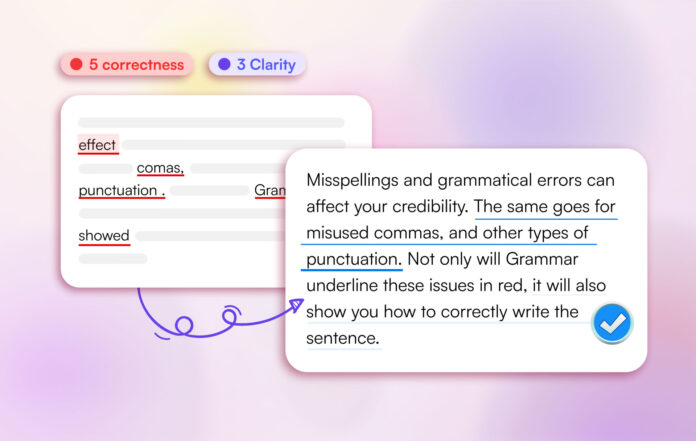
Grammarly faces a similar conflict. Its website offers schools an authorship-checking tool for teachers, along with a humanizing tool, a text generator, and a paraphrasing tool, all on the same platform.
The reliability of detection technology itself has also come under scrutiny. Researchers at the University of Florida tested five widely used AI detectors earlier this year and found false negative rates as high as 99.6 percent. A single vocabulary change was enough to defeat most of the tools tested.
The findings suggest that schools relying on detection software for disciplinary decisions may have far less certainty than they assume, and that banning AI use in classrooms could be difficult to enforce even where rules exist.


