

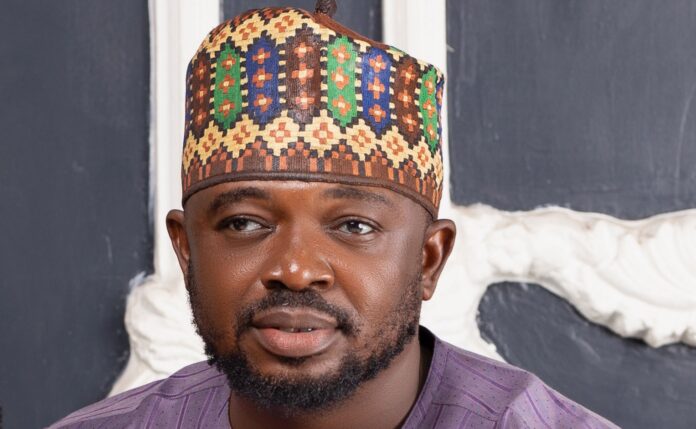
The 2026 National Conference of the Christian Lawyers Fellowship of Nigeria (CLASFON) in Calabar was, for me, more than just another conference. It was an opportunity to learn, reflect, fellowship, grow spiritually and, importantly, spend quality time with my family.
One of the sessions that really stayed with me was the Joint Spouse Session titled “Breaking the Silence on Abuse in Marriage: The Courage to Respond in Faith, Resilience and Compassion.” The session featured Prof. & Hon. Justice Jacob Dada and Mr. & Mrs. Precious Nwadimuya, and was hosted by Nelson Aniekwe.
It was one of those conversations that makes you sit back and think about things differently.
My first take-home lesson is that not every disagreement in marriage is abuse. Husbands and wives will disagree; that is part of being human. We come from different backgrounds, have different personalities and sometimes see things differently. The problem is not necessarily disagreement; the problem begins when disagreement becomes a pattern of control, humiliation, intimidation, disrespect or harm.
In simple terms, conflict can be resolved, but abuse must be confronted.
I also came away with the understanding that abuse is not necessarily about men abusing women. Men can also be victims. What matters is the behaviour and the effect it has on the other person.
Abuse is also not always physical.
Sometimes, there are no bruises to show anyone. A person can be constantly humiliated, manipulated, intimidated, isolated or emotionally broken and still walk around looking perfectly fine.
Not every wound is visible.
That part of the discussion really made me think.
We also talked about the role of faith in marriage. As Christians, we often talk about patience, forgiveness, endurance and keeping the marriage together. These are important values, but they should never be used to excuse abuse.
Marriage is a covenant of love, not a licence to hurt another person.
I believe strongly in forgiveness, but forgiveness does not mean allowing someone to repeatedly harm you without accountability. You can forgive someone and still expect them to take responsibility for their actions.
Forgiveness should heal the heart; accountability should correct the behaviour.
Another important lesson for me was the role of counselling. Not every disagreement needs to be taken to family members, friends, church leaders or other third parties. Some issues are better handled between husband and wife through honest communication, prayer, patience and a willingness to listen.
Sometimes, the person we are angry with simply wants to be heard.
However, counselling also has its limits. Where there is serious, repeated or life-threatening abuse, we cannot simply tell the victim to keep praying and enduring. Prayer is important, but seeking safety and appropriate help is not a lack of faith.
This brought me to one of the most difficult questions from the discussion: If keeping a marriage together puts someone’s life in danger, what exactly are we trying to preserve?
I do not believe separation should be celebrated. Marriage is important, and where reconciliation is possible and safe, it should be encouraged. But we also need to be honest enough to recognise that there are situations where separation may be necessary to protect someone’s life and wellbeing.
We should not celebrate divorce, but we should also not romanticise suffering.
Another reality that deserves attention is financial dependence. When the abusive person is also the breadwinner or the person controlling the finances, leaving or speaking out may not be as simple as people outside the situation imagine.
There may be children involved. There may be questions about accommodation, school fees, food, and basic survival. There may also be fear about what will happen after speaking out.
Therefore, when someone is in an abusive marriage, simply saying “leave” may not be enough. Sometimes, what that person needs is someone to listen, proper counselling, legal guidance, emotional support, and a safe support system.
I was also reminded that silence is not always wisdom.
There are marital issues that should remain private and be resolved privately. Not every disagreement needs an audience. Sometimes, a couple simply needs to sit down, talk, and listen to each other.
But when abuse becomes repeated, serious or life-threatening, speaking out may actually be an act of courage.
Protecting the image of a family should never be more important than protecting the people inside the family.
Another point I found important was the distinction between separation and divorce. They are not the same thing. A person may separate from a spouse because of serious abuse or safety concerns without necessarily having made a final decision to divorce.
The question of divorce and remarriage in Christianity is also not something that should be answered casually. Different Christian traditions approach it differently, and the circumstances surrounding the breakdown of a marriage matter. It is an issue that requires prayer, careful biblical reflection, and appropriate counsel.
Perhaps the biggest lesson I took home is that love and accountability must go together.
If we love someone, we should not encourage behaviour that destroys them or destroys the marriage. An abusive person should be willing to acknowledge the wrong, take responsibility, and genuinely work towards change.
Love does not mean covering up everything.
Sometimes, love means telling the truth. Sometimes, love means setting boundaries. Sometimes, love means holding someone accountable.
At the end of the session, I found myself reflecting on what marriage should really look like.
Marriage does not mean that two people will never disagree. It means that two people should be able to disagree without destroying each other’s dignity.
It means authority should not become oppression. It means forgiveness should not cancel accountability. It means faith should not be used to silence someone who is genuinely suffering.
And perhaps most importantly, it means creating a home where love is not something people merely talk about but something they can actually experience.
That is one of the things I will remember from the Christian Lawyers Fellowship of Nigeria (CLASFON) 2026 National Conference in Calabar.
Marriage should be a place of love, dignity, safety and growth—not fear, control and suffering.
For me, that was one of the most important take-home lessons from Calabar.


