

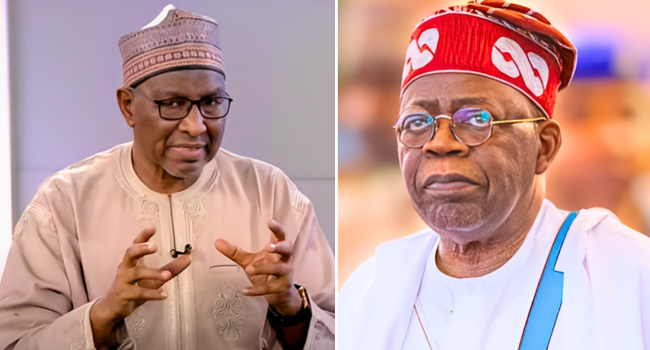
Political activist and Islamic scholar, Dr Usman Bugaje, has described the Muslim-Muslim presidential ticket as a “fraud”, accusing politicians of exploiting religion to secure Muslim voters’ support without addressing the challenges facing the people.
Bugaje made the remarks at a one-day summit organised by the Islamic Forum of Nigeria in Kano, where Islamic scholars, professionals and other stakeholders gathered to discuss issues affecting Muslims and the country at large.
The summit, themed “Dilemma of Muslims in Nigeria: The Way Forward,” focused on insecurity, poverty, religious discrimination, governance and the impact of government policies on citizens.
Speaking at the event, Bugaje argued that the presence of Muslim leaders in government does not automatically guarantee the protection of Muslim interests or translate into better living conditions for the people.
He maintained that persistent insecurity, economic hardship and other social challenges across the country raised serious questions about the performance of political leaders who rely on religious identity to gain public support.
The scholar accused politicians of using the Muslim-Muslim ticket to win elections without making meaningful progress in addressing the security and economic problems affecting ordinary Nigerians.
Bugaje also expressed concern over the worsening security situation in parts of northern Nigeria, alleging that insurgents continued to exercise influence in some communities despite ongoing security operations.
He claimed that Boko Haram insurgents were still operating around Maiduguri, where they reportedly collected taxes and held court sessions to settle disputes among residents.
The activist further described the security situation in Sokoto State as troubling, alleging that movement between the state capital and Isa Local Government Area had become severely restricted.
According to him, travellers could reportedly make the journey only twice a week with the support of the Joint Task Force.
He said the alleged developments raised concerns about the government’s ability to protect citizens and maintain security across the affected areas.
Bugaje stressed that political leadership should be assessed based on its ability to improve people’s welfare, provide security and address socioeconomic challenges rather than the religious identities of those occupying public offices.
Beyond security and governance, the Islamic scholar raised concerns about Nigeria’s dependence on imported medicines, claiming that approximately 70 per cent of drugs used in the country came from abroad.
He called for greater investment in local pharmaceutical industries, arguing that developing domestic drug production capacity was essential to strengthening the country’s healthcare system and reducing dependence on foreign supplies.
Bugaje also emphasised the importance of protecting Nigeria’s territorial integrity, describing national security and economic self-reliance as critical components of genuine independence.
He further warned about the growing problem of drug abuse among young people and women, saying the trend posed a serious threat to the social and economic well-being of Muslim communities.
The scholar called for greater attention to the challenges confronting Nigerian Muslims, urging political leaders and other stakeholders to prioritise security, economic development, effective governance and social welfare.
He maintained that religious representation in government should produce tangible benefits for citizens, insisting that the faith of political leaders should not be used as a substitute for accountability and good governance.


