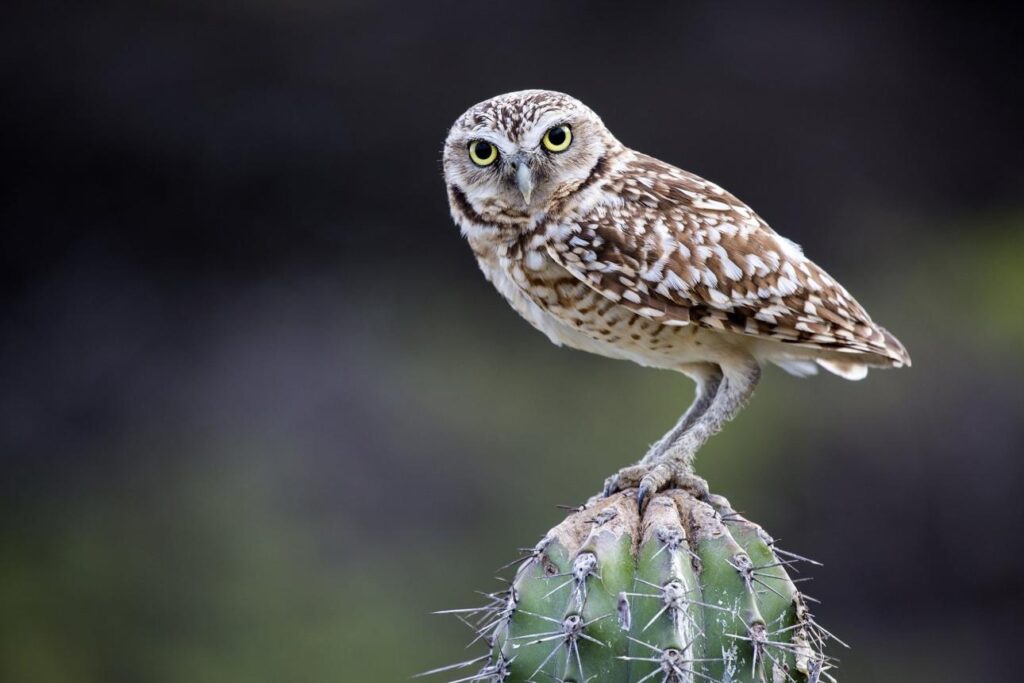
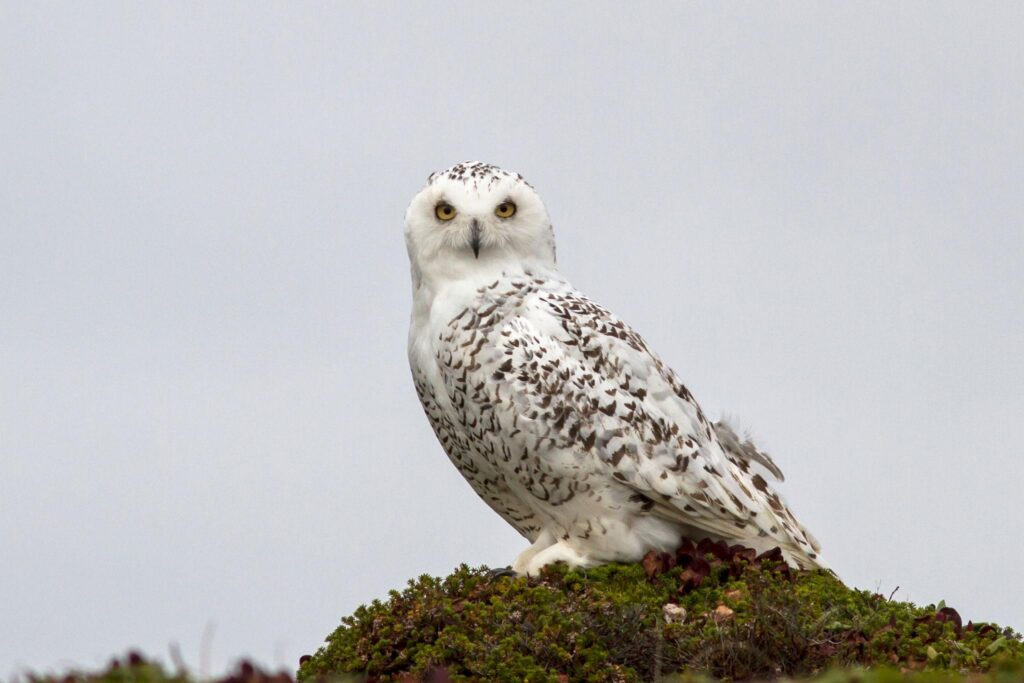
Although many people believe they can, owls can turn their heads up to 270 degrees (about three-quarters of a full circle). They have 14 neck vertebrae—twice as many as humans—which gives them this remarkable flexibility.
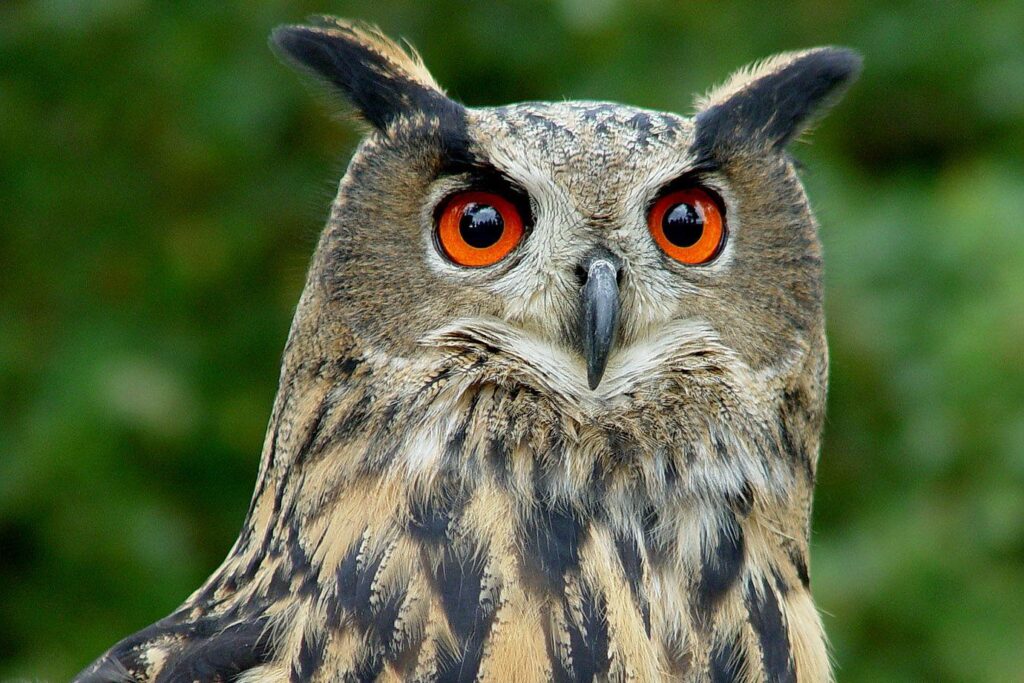
Owls have specially adapted feathers with soft, fringed edges that muffle the sound of their wings, allowing them to sneak up on prey without being heard.
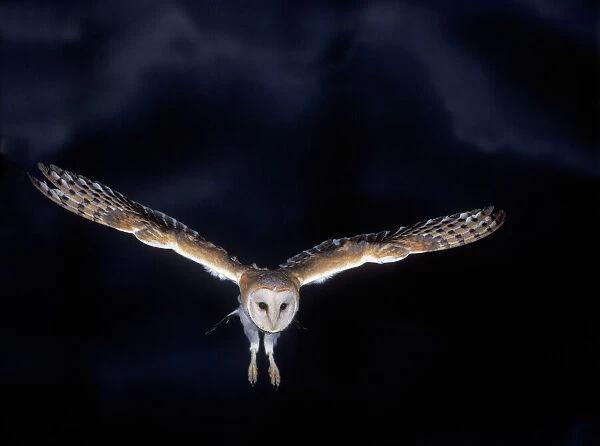
Unlike humans, an owl’s eyes are fixed in their sockets. To look around, they must turn their entire head.
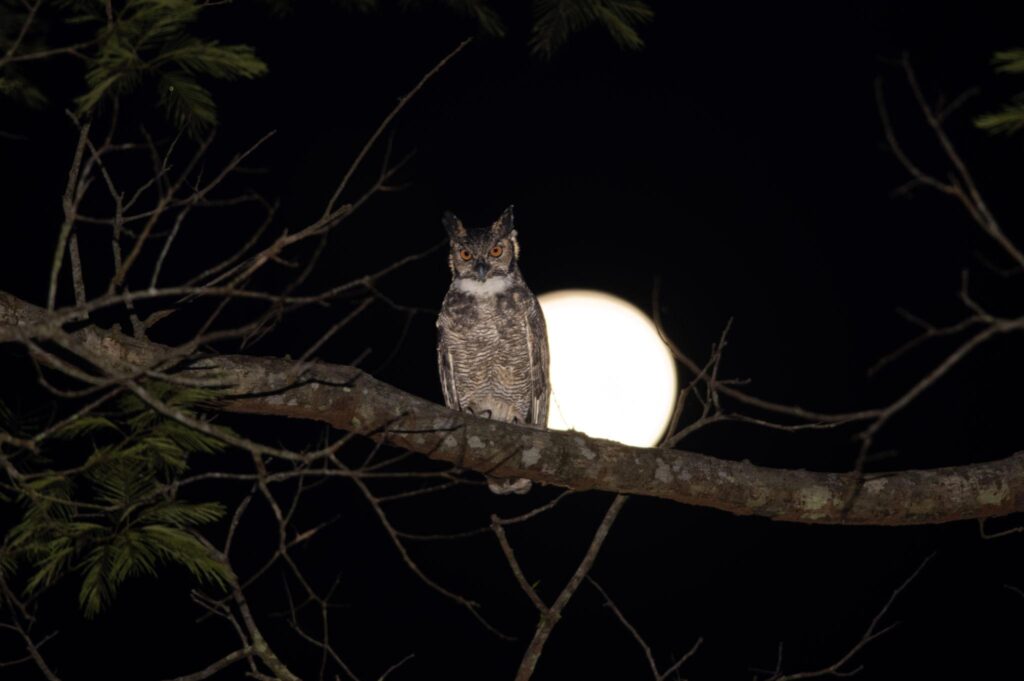
While many species hunt at night thanks to their large, light-sensitive eyes, they can still see during daylight, although some prefer dimmer conditions.
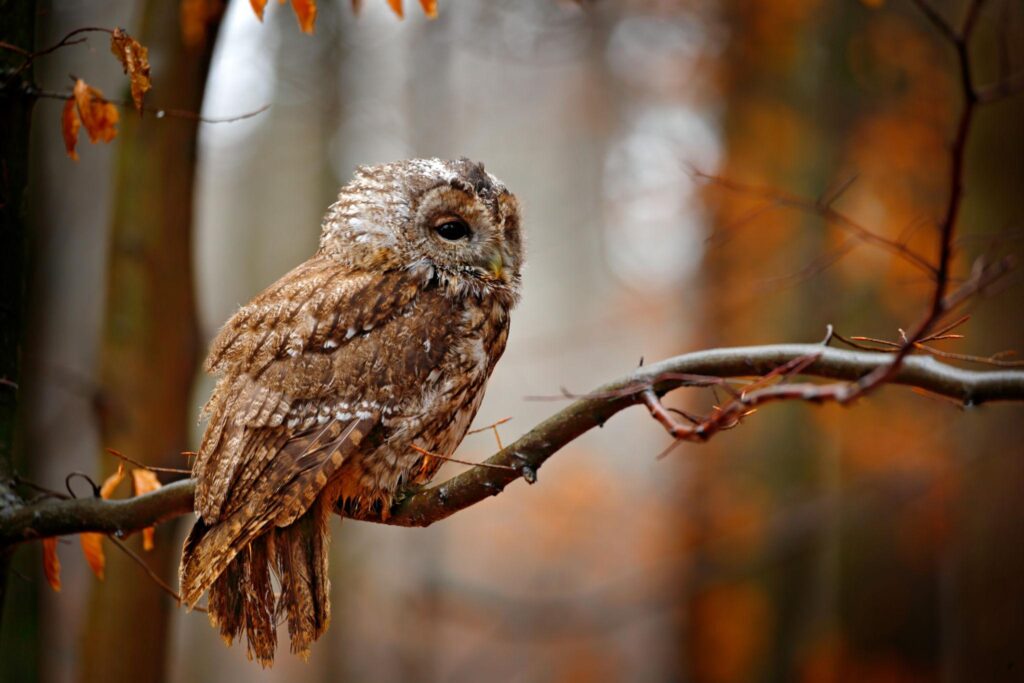
Many owl species have unevenly positioned ears, allowing them to pinpoint the exact location of prey using sound alone—even beneath snow or leaves.
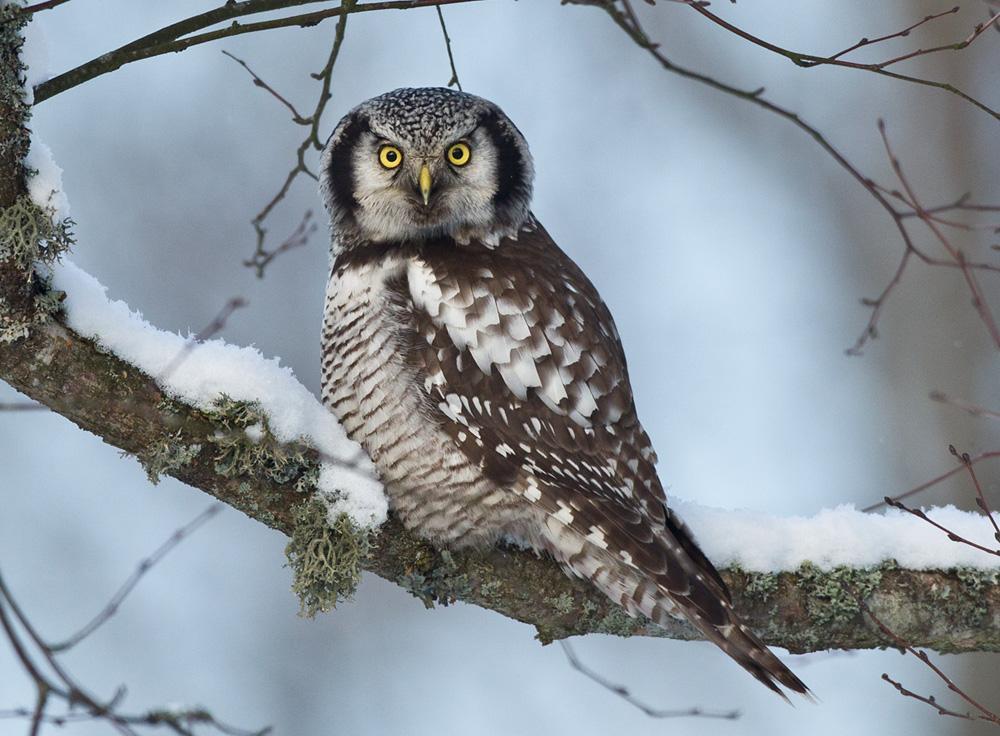
Instead of chewing, owls often gulp down mice, insects, frogs, or small birds whole. Later, they regurgitate pellets containing bones, fur, feathers, and other indigestible parts
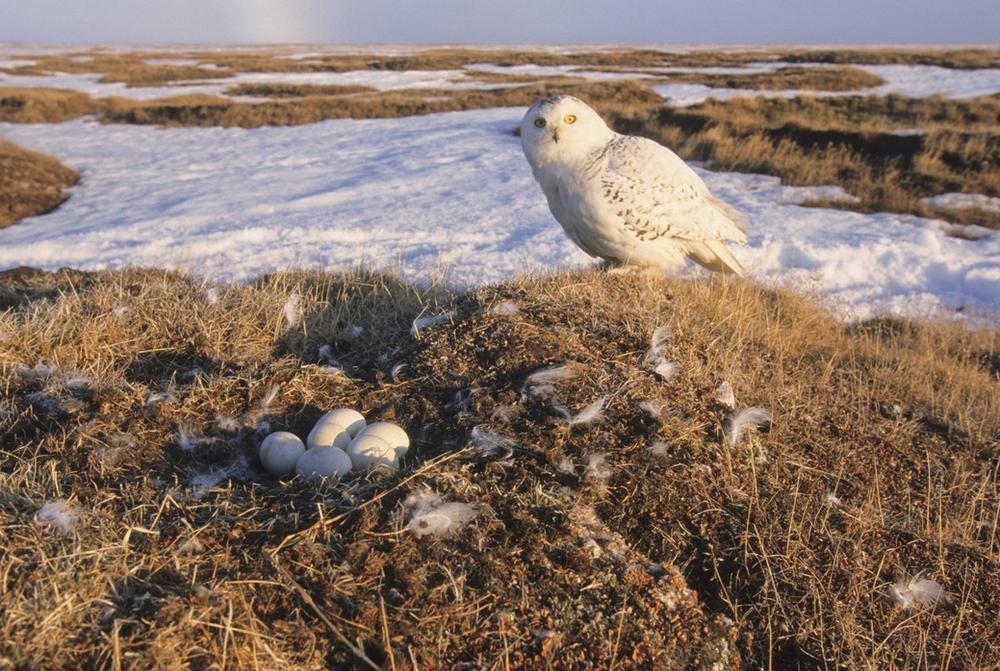
Depending on the species, owls can whistle, hiss, screech, bark, growl, click, or even make sounds that resemble a cat or monkey.
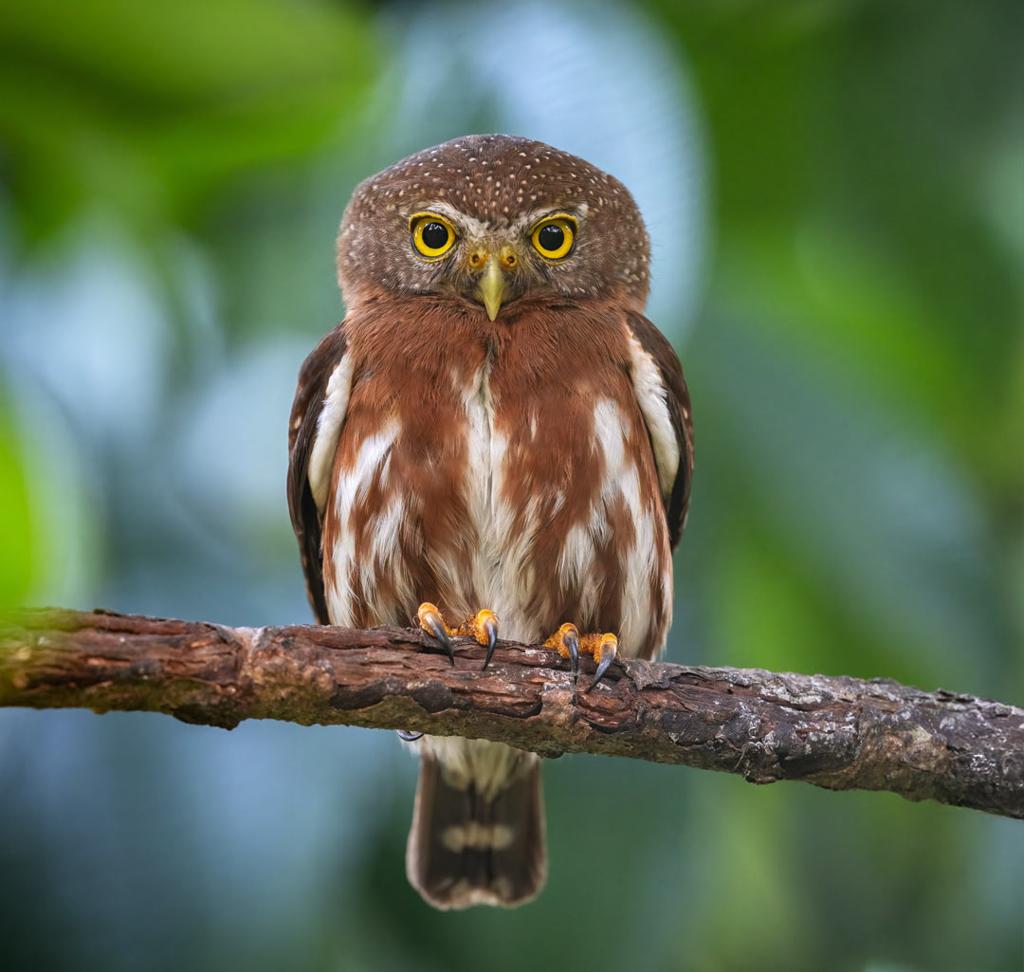
There are more than 250 species of owls, living on every continent except Antarctica. They inhabit forests, deserts, grasslands, mountains, and even urban areas.
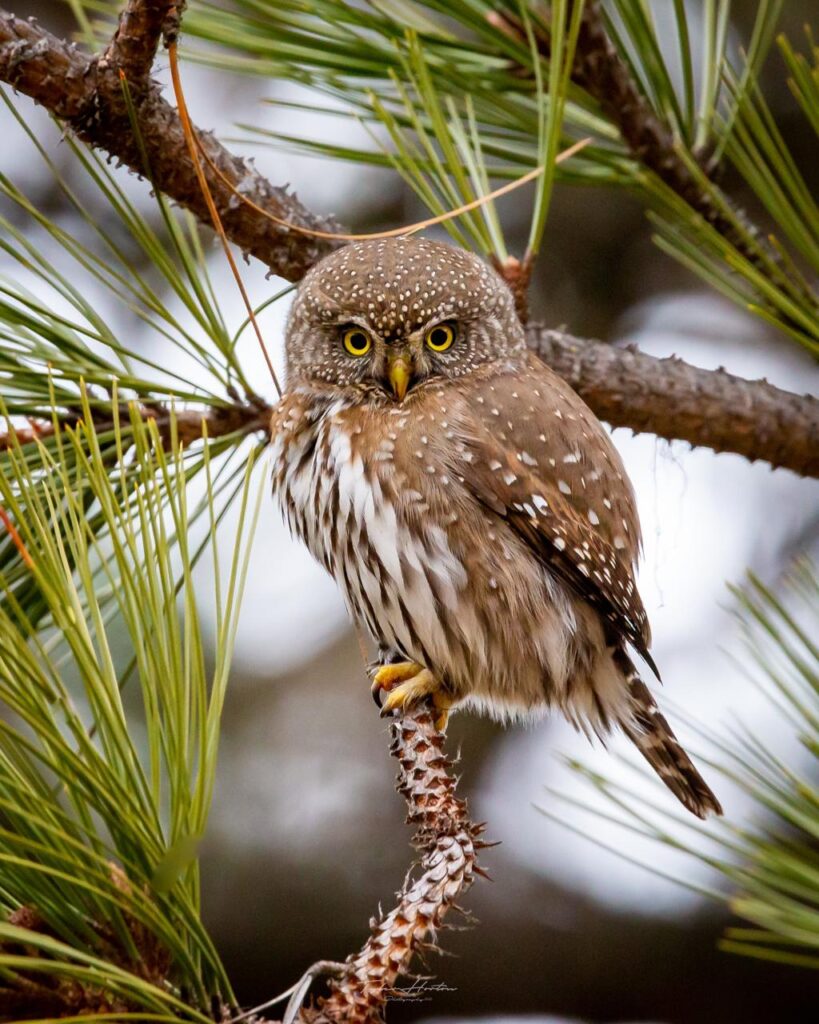
In many owl species, females outweigh males and are physically bigger, which may help them protect nests and raise young.
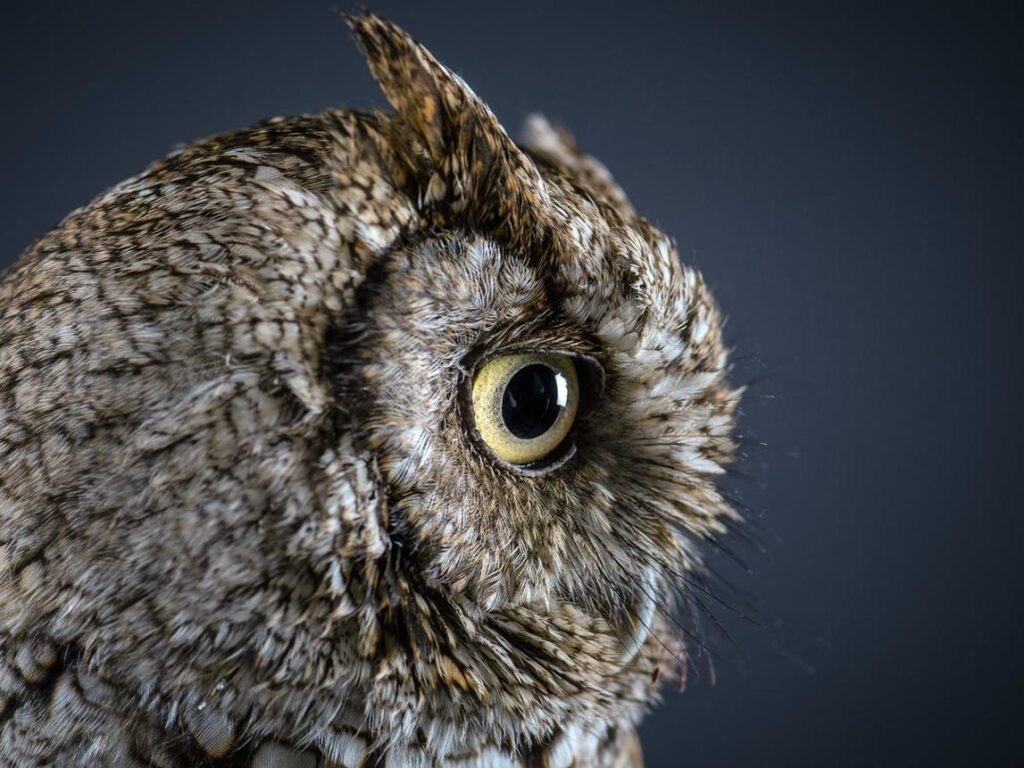
Across different cultures, owls have symbolized wisdom, mystery, protection, death, or good fortune. In ancient Greece, they were associated with wisdom, while in some other traditions they were viewed as omens.