

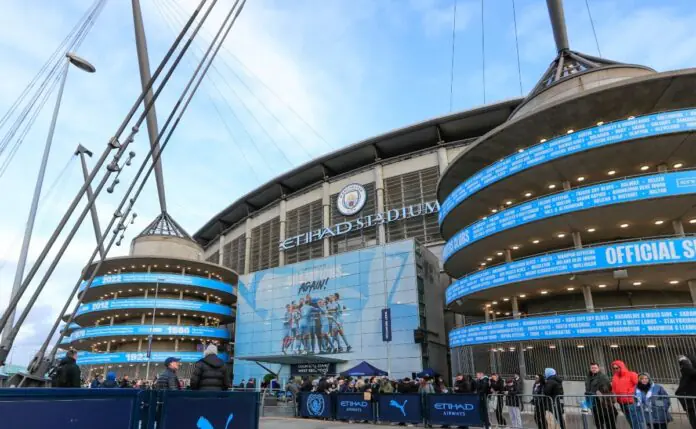
Manchester City’s financial case has drawn fresh attention to the very different financial realities facing the two Manchester giants.
City was found to have received £830.69 million from Abu Dhabi United Group, which the Premier League ruled to be part of their financial breaches.
At the opposite end of the city, Manchester United’s latest accounts show the club bearing total debt of around £1.15 billion, illustrating the burden following the Glazer family’s leveraged takeover in 2005.
The News Chronicle reports that United paid £37 million in interest during the latest financial year, with estimated interest payments since the takeover totaling about £852 million.
Despite recording a club record £677.6 million revenue, United also borrowed an additional £90 million and committed £191.7 million to recent player deals.
The club’s transfer spending has also been difficult to offset through player sales. United realized only £47 million from transfers during the latest transfer window, while the team’s wages amounted to £302 million.
The financial burden requires United to balance player purchases and wages with the repayment of debts and the need to construct a new stadium.
With Champions League qualification bringing significant additional revenue, returning to Europe’s elite competition has become increasingly important to United’s financial strategy.


