

The U.S. Centers for Disease Control and Prevention (U.S. CDC) has raised concern over the persistent toll of Lassa fever in Nigeria, revealing that one in every four infected persons has died from the disease this year despite the availability of effective treatment when cases are detected early.
Dr. Banji Ipadeola, Team Lead for Epidemiology Surveillance in the Division of Global Health Protection at the Global Health Center, disclosed this in an interview with the News Agency of Nigeria (NAN) on Tuesday in Abuja.
According to Ipadeola, delayed diagnosis and treatment remain major factors contributing to the high mortality rate associated with the viral hemorrhagic disease.
“Lassa fever is real, and people die from Lassa fever. In fact, this year alone, one in every four cases of Lassa fever has died,” he said.
He stressed that early medical intervention significantly improves survival chances, noting that many Nigerians often mistake the disease’s symptoms for malaria or typhoid fever, leading to dangerous delays in seeking proper treatment.
“The early symptoms are fever, headache and body pains. These symptoms are similar to those of malaria and other common illnesses, making diagnosis difficult without proper testing.
“That is why people should visit healthcare facilities promptly when they experience such symptoms instead of self-medicating,” he advised.
Ipadeola explained that Lassa fever is primarily transmitted through contact with food, household items, or surfaces contaminated by the urine or droppings of infected rodents. Human-to-human transmission can also occur through exposure to the blood, saliva, urine, or other bodily fluids of infected persons.
He warned that healthcare workers, caregivers and family members remain particularly vulnerable when infection prevention and control measures are not strictly followed.
Highlighting rodent infestation as a major driver of transmission, he urged communities to improve environmental sanitation and eliminate conditions that attract rats.
“People living in environments where rats are common are at greater risk. Some people who consume rats may also be at increased risk.
“Once you remove rats from the environment, you are likely to reduce the spread of Lassa fever,” he said.
Beyond its immediate health impacts, Ipadeola noted that survivors may suffer long-term complications, especially hearing loss, one of the most common and debilitating consequences of the disease.
He also warned of the heightened risks Lassa fever poses to pregnant women, including miscarriage, stillbirth and other severe pregnancy-related complications.
On preventive measures, the epidemiologist urged households to store food in tightly sealed containers, maintain clean surroundings, block holes that may allow rodents into homes, and avoid drying food items in open spaces where they can be contaminated.
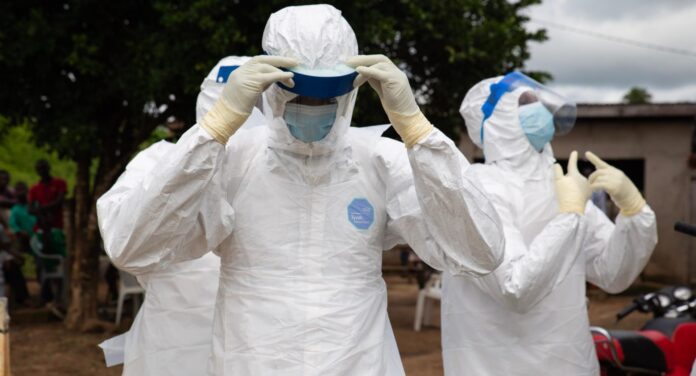
In healthcare facilities, he called for strict compliance with infection prevention protocols, including regular hand hygiene and the appropriate use of personal protective equipment.
Ipadeola further revealed that there is currently no approved vaccine for Lassa fever, although global efforts to develop one are ongoing.
“Prevention, early diagnosis and prompt treatment remain the most effective tools for reducing infections and deaths,” he said.
He commended the Nigerian government for strengthening response efforts through surveillance systems, emergency operations centers and public awareness campaigns, while urging all stakeholders to sustain collaborative efforts against the disease.
“Lassa fever occurs every year, so preparedness must remain high. Communities must remain vigilant and seek medical care early whenever symptoms develop,” he added.
His remarks align with the latest figures released by the Nigeria Center for Disease Control and Prevention (NCDC), which show that as of Epidemiological Week 23 (June 1–7, 2026), Nigeria had recorded 855 confirmed cases and 214 deaths, representing a case fatality rate of 25 percent.
The NCDC noted that the fatality rate is significantly higher than the 18.9 percent recorded during the same period in 2025, underscoring the continued severity of the outbreak.
According to the agency, young adults aged 21 to 30 years account for the highest number of infections this year, while 23 states and 109 Local Government Areas have reported at least one confirmed case.
The NCDC further disclosed that Bauchi, Ondo, Taraba, Benue and Edo states account for 84 percent of all confirmed cases reported so far in 2026.
However, the agency reported no new infections among healthcare workers during Epidemiological Week 23, reflecting improvements in infection prevention and control measures across health facilities.
Lassa fever remains endemic in Nigeria, with outbreaks occurring year-round and peaking during the dry season. Public health experts continue to emphasize community awareness, rodent control, environmental hygiene, early healthcare-seeking behavior, and robust surveillance as critical tools in reducing infections and saving lives.
SOURCE: NAN


