

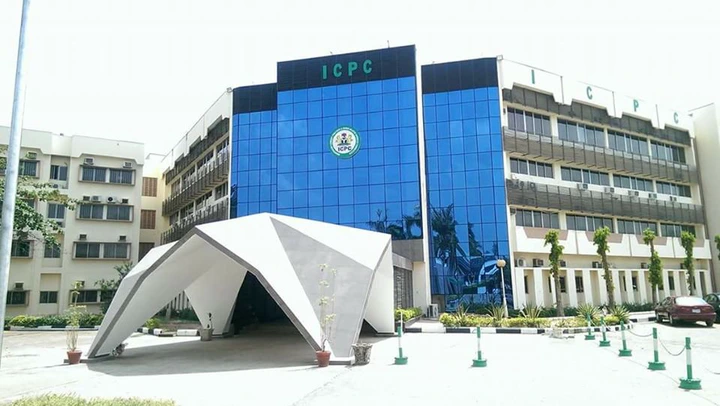
The Chairman of the Independent Corrupt Practices and Other Related Offences Commission (ICPC), Dr. Musa Adamu Aliyu, SAN, has called for a fundamental shift in the global response to environmental crime, insisting that wildlife trafficking must be tackled as a form of organized financial crime, not merely a conservation challenge.
Speaking at the 35th Session of the Commission on Crime Prevention and Criminal Justice (CCPCJ) in Vienna, Dr. Aliyu warned that corruption remains the critical enabler sustaining illegal wildlife trade across borders.
He said trafficking networks thrive not only on criminal sophistication, but on systemic weaknesses exploited through bribery, falsified customs documentation, and abuse of export permits.
“Wildlife trafficking survives not simply because criminal networks are sophisticated, but because corruption creates the enabling environment through which illicit actors move products, money, documents, and influence,” he said.
Describing what he called an “ecosystem of vulnerabilities,” the ICPC Chairman pointed to compromised transport systems, financial channels, and enforcement institutions as key points exploited by traffickers.
In a major policy disclosure, Dr. Aliyu announced that the ICPC has created a dedicated unit to investigate environmental crimes, signaling a stronger institutional focus on dismantling the financial and corruption networks behind wildlife trafficking.
He stressed that effective enforcement must target three interconnected pillars: the illicit products being moved, the financial flows sustaining the trade, and the corruption networks enabling both.
According to him, modern investigations must go beyond surface seizures to include asset tracing, suspicious transaction monitoring, digital evidence analysis, and advanced link-based profiling to expose the full criminal structure.
Dr. Aliyu also commended international collaboration, particularly the partnership with the Environmental Investigation Agency (EIA) UK, describing it as critical to strengthening Nigeria’s institutional response.
He further called for urgent reforms to reduce corruption risks within customs, licensing, and border management systems.
“If corruption is the lubricant of wildlife trafficking networks, then integrity, intelligence, and interagency cooperation must become the tools through which those networks are dismantled,” he said.


