

The Kano State Government says it is upgrading key cultural sites and expanding support for local crafts to preserve Hausa heritage while creating jobs and economic opportunities for youths.
Ahmad Yusuf, Executive Secretary of the Kano State History and Culture Bureau, disclosed this in an interview with the News Agency of Nigeria (NAN) on Wednesday on the sidelines of the World Hausa Day celebration in Kano.
Yusuf said the government was upgrading the Kano Dyeing Pit, Tannery and Knitting Center at Kofar Mata, Karofin Zage and Kofar Wambai to preserve their historical value and improve their economic potential.
He said the projects would strengthen cultural tourism, stimulate economic activity and create employment opportunities for young people.
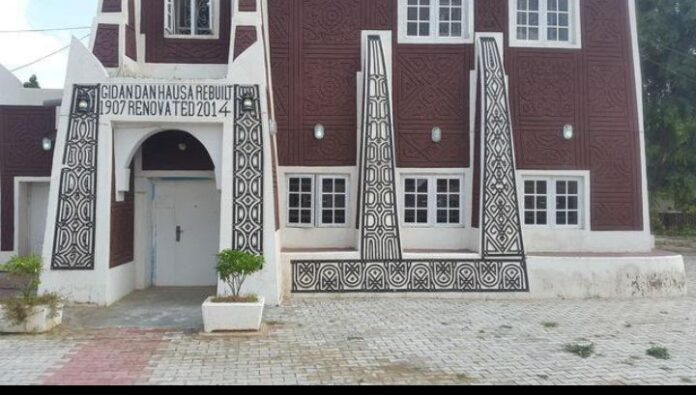
The executive secretary also disclosed that the government had constructed craft shops at Gidan Danhausa, the headquarters of the State History and Culture Bureau, to display and market locally produced cultural products.
He added that plans were underway to establish a new market that would serve as a production and marketing hub for cultural materials and crafts made in the state.
Yusuf urged youths to take ownership of their cultural heritage and preserve the traditions handed down by their forefathers.
He said Hausa culture had distinctive traditions capable of attracting wider global interest if properly preserved and promoted.
Meanwhile, retired Assistant Inspector-General of Police, Muhammad Lawal Hussain, described the World Hausa Day celebration as an opportunity to showcase the richness of Hausa culture and traditions.
Hussain expressed concern that many young people were losing touch with aspects of their heritage due to the influence of colonialism and increasing preference for foreign cultures.
He said cultural events such as World Hausa Day could reconnect younger generations with their roots and encourage them to preserve indigenous traditions.
The retired police officer noted that Kano accommodates people from diverse ethnic backgrounds, with Hausa serving as a common language among many residents.
He urged Nigerians to reject divisions that could undermine unity among Hausa-speaking communities and other ethnic groups.
Hussain also called on Nigerians to preserve their respective cultures while embracing peaceful coexistence and national unity.
He urged governments at all levels to treat citizens fairly and support programs that promote cultural preservation, mutual understanding and national development.


