

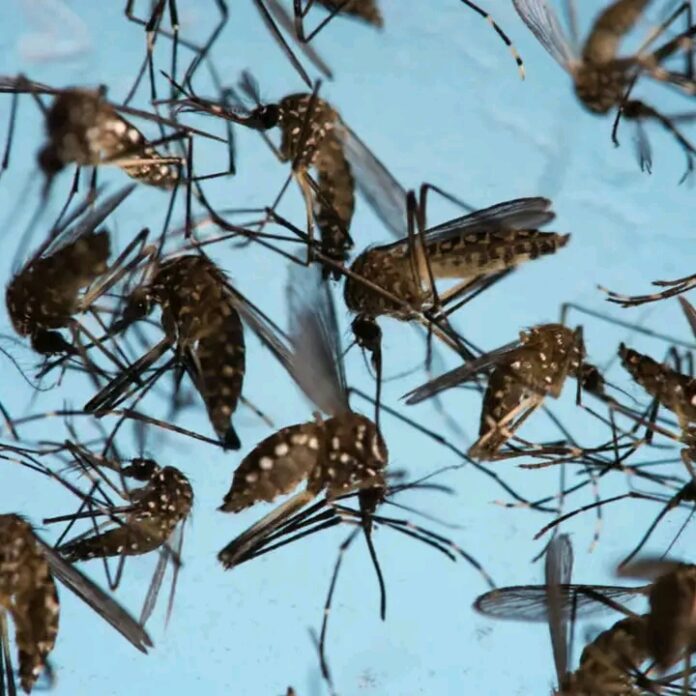
Google is seeking approval from the United States Environmental Protection Agency (EPA) to release approximately 32 million mosquitoes across Florida and California as part of a large-scale effort to combat mosquito-borne diseases.
According to reports, the proposed mosquitoes are infected with Wolbachia bacteria, a naturally occurring microorganism that prevents mosquitoes from reproducing successfully. Scientists say the strategy gradually reduces wild mosquito populations by disrupting their breeding cycle.
The technology has already been tested in several locations. A previous trial conducted in California’s Central Valley reportedly led to the near-elimination of mosquitoes at three test sites. In Singapore, a similar program was credited with reducing dengue fever cases by about 70 percent within one year.
The EPA has opened a public consultation period, allowing residents and stakeholders to submit comments on the proposal until June 5 before a final decision is made.
Google’s mosquito-control initiative, often referred to as the Debug Project, has expanded significantly over the years. The company has reportedly released more than one billion mosquitoes across four continents as part of efforts to reduce the spread of diseases such as dengue, Zika, and chikungunya.
If approved, the planned release of 32 million mosquitoes would become the largest deployment of its kind in United States history, marking a major step in the use of biotechnology to control disease-carrying insect populations.
The proposal has sparked debate among scientists, environmental groups, and members of the public, with supporters highlighting its potential public health benefits while critics call for further evaluation of its environmental impact.


