


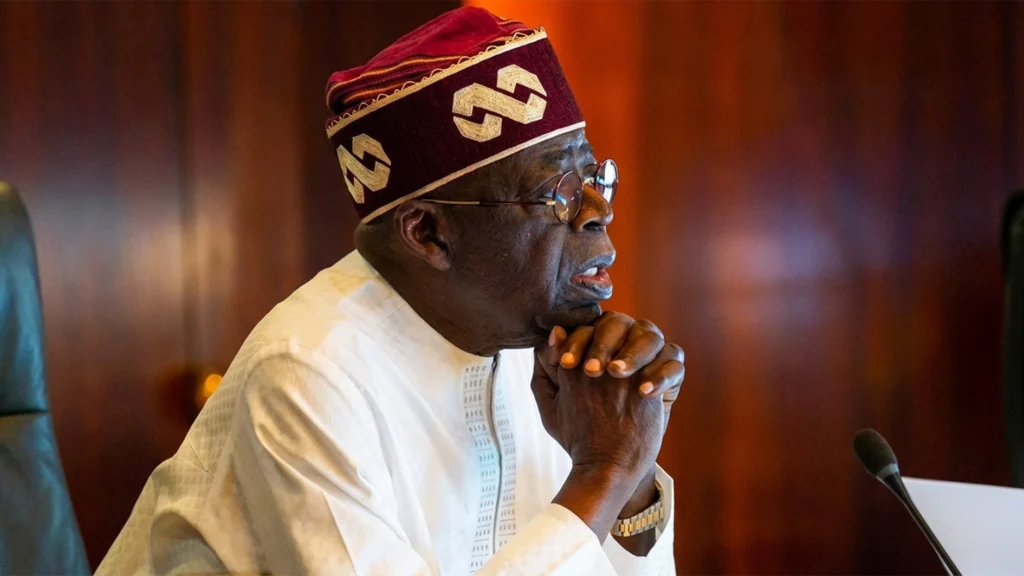
President Bola Tinubu’s administration is under mounting pressure to ease Nigeria’s cost-of-living crisis, with recent relief measures raising questions about whether the government is pursuing a sustainable economic recovery or adopting a fire brigade approach as the 2027 general elections approach.
The Federal Government’s approval of a monthly ₦70,000 transport allowance for public service workers for six months is the latest intervention aimed at cushioning the effects of rising living costs. The agreement, reached with organised labour on October 27, 2026, also provides for the payment of outstanding allowances and further discussions on workers’ welfare.
While the allowance offers temporary relief, it also underscores the financial pressure confronting Nigerian workers. With transportation, food and other essential expenses consuming an increasing share of household incomes, additional payments may provide short-term breathing space without addressing the structural problems driving the crisis.
The demand for lower petrol prices and transport fares remains central to the debate. Fuel costs influence transportation expenses, food distribution and the cost of running businesses. A sustained reduction could therefore ease pressure across several sectors of the economy, offering broader relief than temporary allowances.
However, the latest agreement with labour does not, in itself, guarantee a reduction in petrol prices or transport fares. Without complementary measures to lower operating costs and improve purchasing power, workers may find that the value of the allowance is gradually eroded by rising prices.
The timing of these interventions also invites political scrutiny. With the 2027 elections approaching, the administration faces growing pressure to demonstrate tangible improvements in living standards. Although the allowance emerged from negotiations with organised labour, the government’s response to economic hardship will inevitably shape public assessment of Tinubu’s performance.
Ultimately, the challenge before the administration goes beyond announcing relief packages. Nigerians need sustained reductions in living costs, affordable transportation, stronger purchasing power and policies that create economic stability.
As the 2027 elections draw closer, Tinubu’s economic legacy will depend not simply on the relief measures his government announces, but on whether those interventions translate into lasting improvements in the daily lives of ordinary Nigerians.
Pius Kadon is a public affairs analyst and journalist. He can be reached: O8068606491 or Pkabido2@gmail.com