

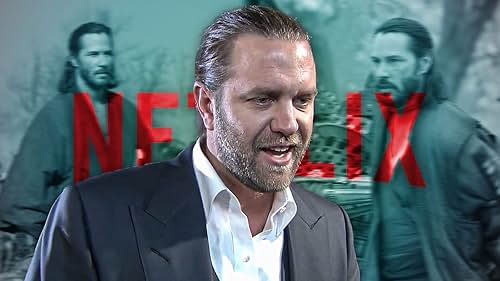
Carl Rinsch, director of “47 Ronin,” defrauded Netflix of roughly $11 million during production of his unfinished sci-fi series “White Horse” (also known as “Conquest”).
Netflix originally acquired the project from Amazon in 2018 for over $61 million, and Rinsch used $44 million of that without delivering a finished show before demanding an additional $11 million, claiming it would go toward completing the series.
Instead of finishing production, he funneled much of the money into cryptocurrency trading and spent the rest on luxury purchases, including five Rolls-Royces that prosecutors noted weren’t even registered in his own name.
The fraud came to light through investigation that led to a December conviction, when a jury found him guilty of wire fraud and money laundering after prosecutors demonstrated he never intended to complete the series and instead worked to conceal where the funds had gone.
On June 29, federal judge Jed Rakoff sentenced Rinsch to 30 months in prison, alongside an order to pay approximately $11 million in restitution, complete an outpatient mental health treatment program, and abstain from narcotics.
That sentence was notably lighter than what prosecutors sought. The government had pushed for five years, and sentencing guidelines reportedly called for 9 to 11 years given the size of the fraud.
Rakoff cited evidence of Rinsch’s mental health struggles, introduced for the first time at sentencing after defense counsel had deliberately kept it out of the trial. He noted he hadn’t seen signs of psychosis during the trial itself, but pointed to the Rolls-Royce purchases as suggesting “someone who has a manic state of mind beyond simple greed.” He also weighed character letters, including one from Keanu Reeves, who starred in “47 Ronin” and became friends with Rinsch afterward.
Reeves wrote about an intervention he and others attempted in 2019 to get Rinsch professional mental health care, which Rinsch turned down at the time. He said he believed medication misuse and other issues had compromised Rinsch’s mental state, amplifying self-sabotaging and grandiose behavior that affected his relationships, his work, and his ability to finish the series.
For his part, Rinsch addressed the court directly, saying the process had forced him to confront things about himself he hadn’t previously understood. Prosecutors, represented by U.S. Attorney Jay Clayton, pushed back on the leniency, arguing Rinsch showed a pattern of disregard for the law, especially given he had access to a trust fund and wealthy connections who could have funded the project legitimately if his intentions had been genuine.
They also argued his actions effectively doomed “White Horse” and harmed the careers of cast and crew who had hoped for its success. Netflix’s representative in court called the case “unusual” and left the restitution repayment terms to the judge’s discretion, though Rakoff acknowledged it’s unlikely Netflix will ever fully recover the money.
Rinsch has been ordered to surrender to prison by September 1.


