

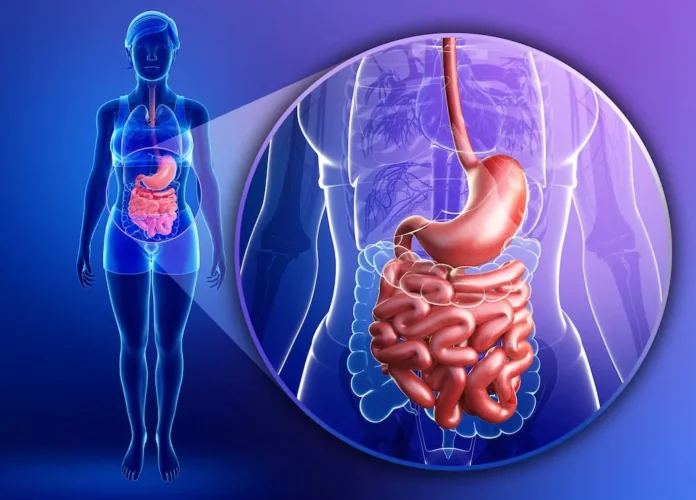
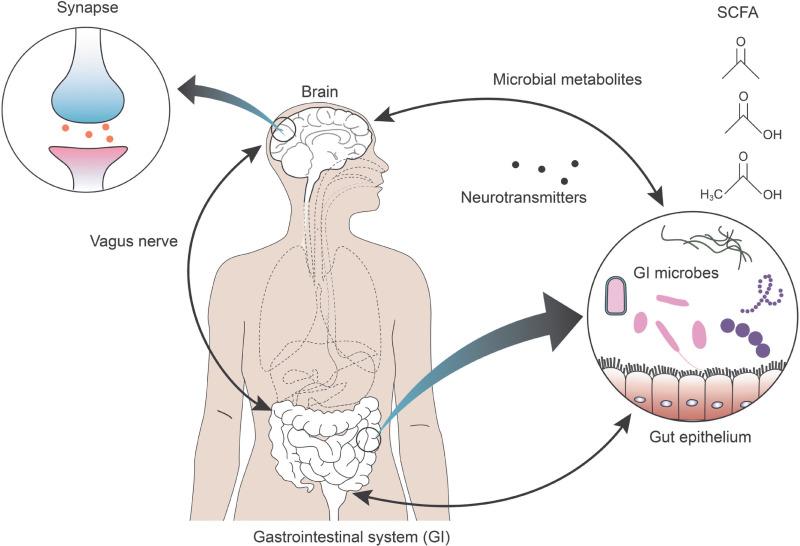
The enteric nervous system in your gut has ∼100 million neurons. It can control digestion independently of your actual brain. That’s why people call the gut the “second brain”.
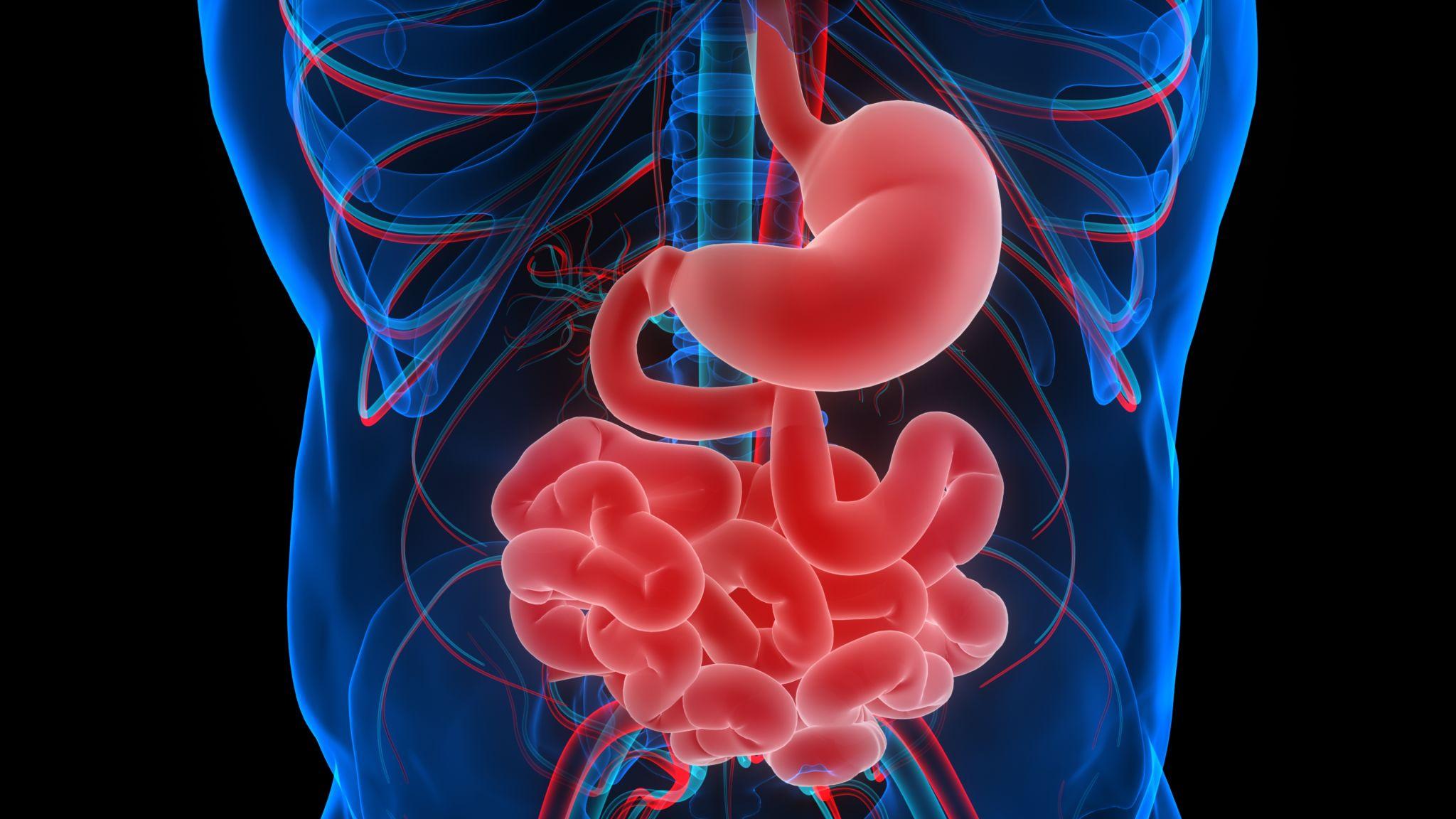
Your stomach lining releases endorphins when it’s stretched after a meal. That’s part of why you feel relaxed and sleepy after eating a lot.
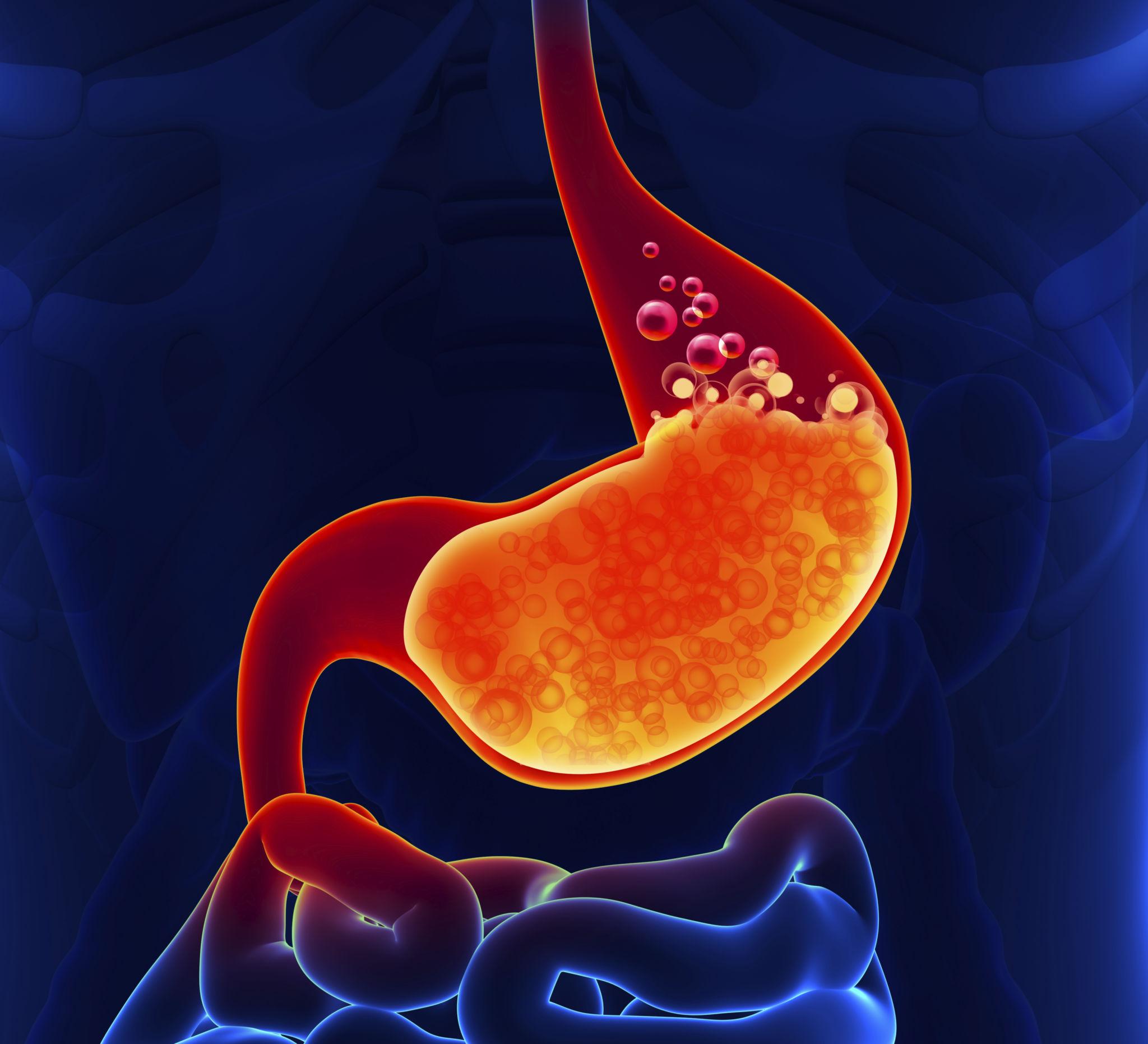
Hydrochloric acid in your stomach has a pH of 1.5-3.5. It dissolves food, kills bacteria, and would burn your skin. Your stomach protects itself with a thick mucus layer that it replaces every few minutes.
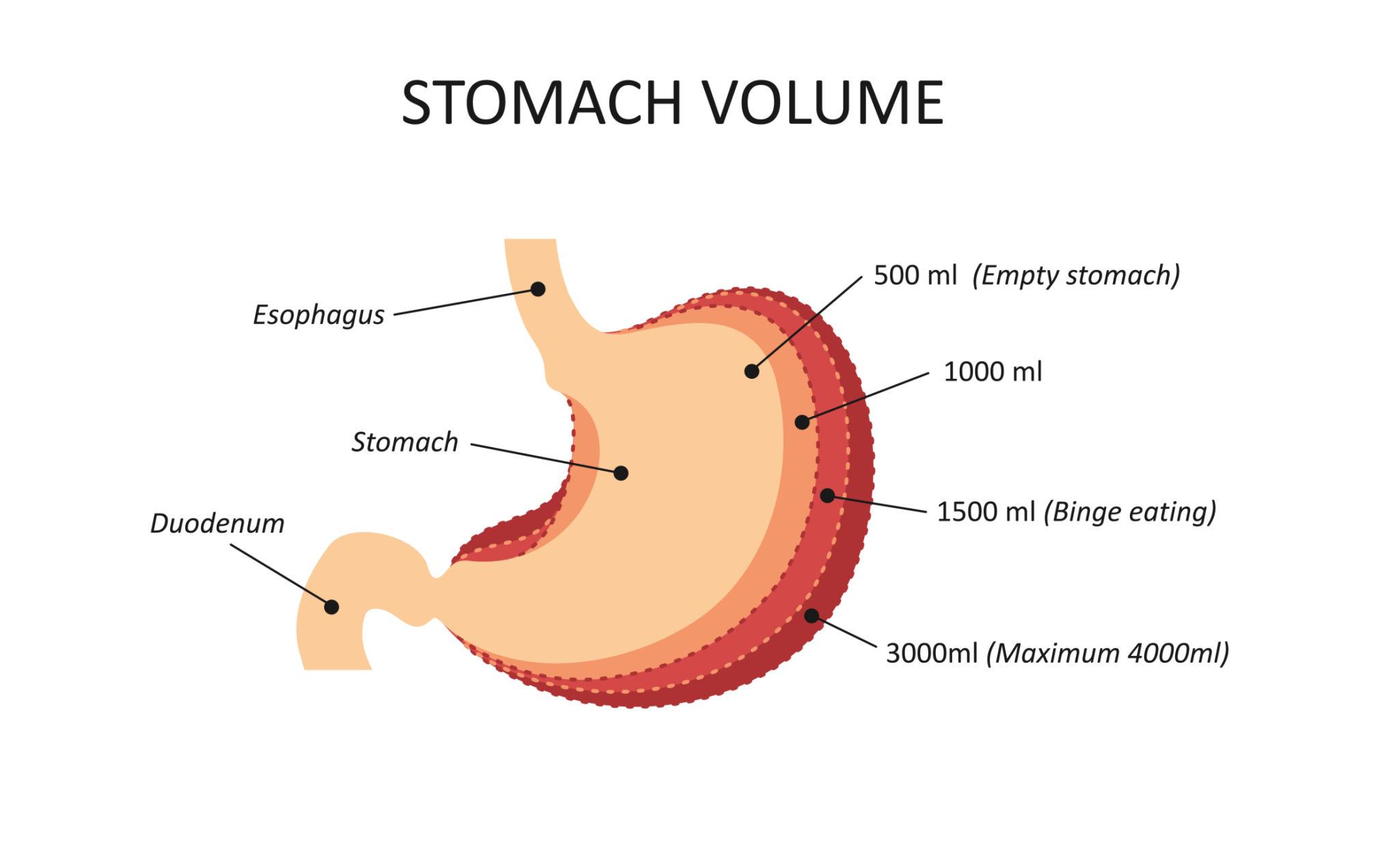
Empty, your stomach is about the size of your fist. Fully stretched, it can hold ∼1 to 1.5 liters. Competitive eaters train theirs to expand even more.
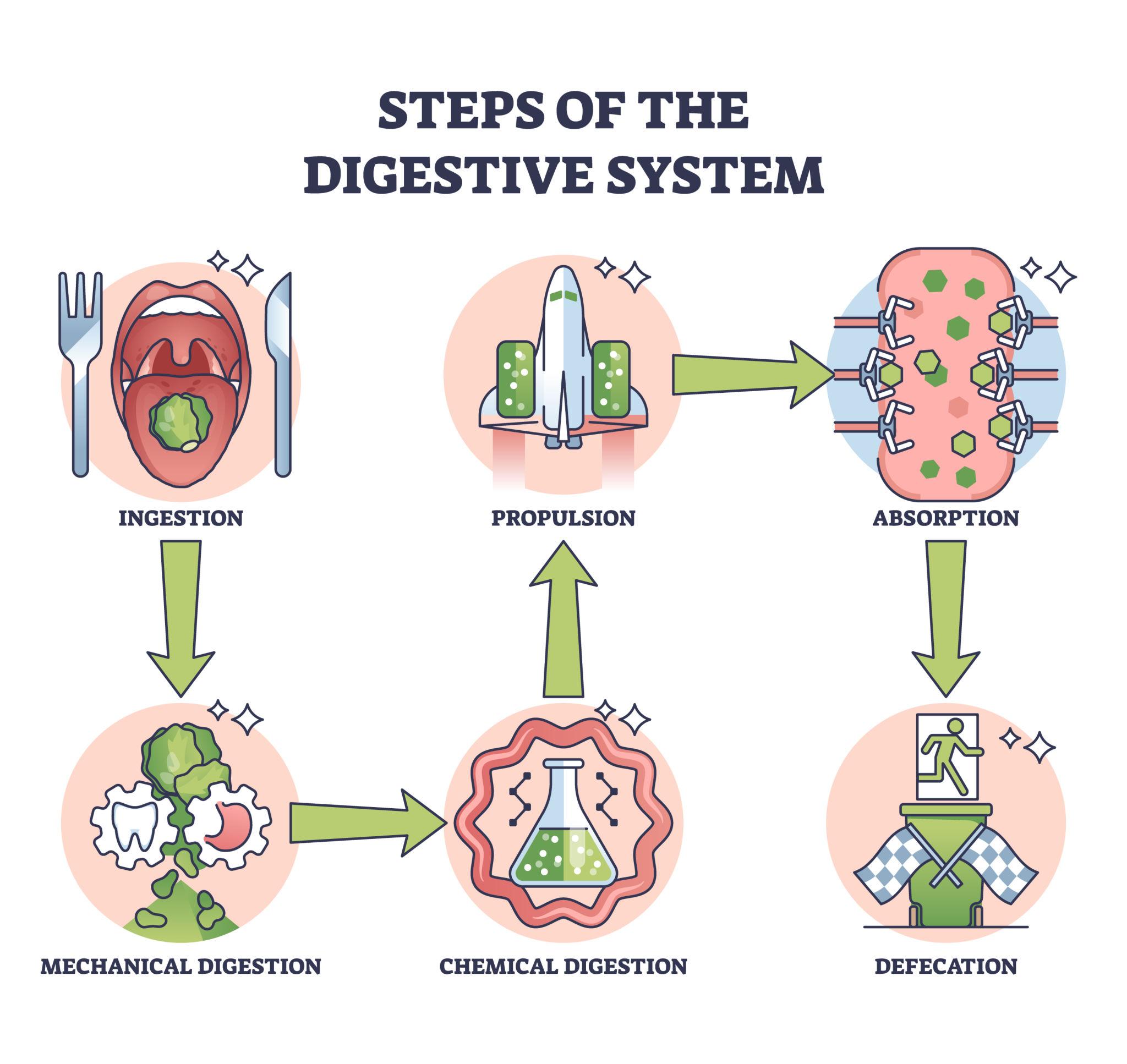
Your stomach releases food slowly into the small intestine. Liquids leave in minutes, carbs in 1-2 hours, protein and fat in 3-4 hours. That’s why fatty meals keep you full longer.
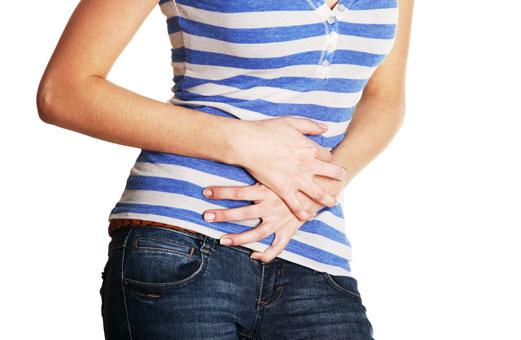
Those “stomach growls” are called borborygmi. They’re just gas and fluid moving through your intestines. Your stomach keeps doing it even after you eat, to keep things moving.
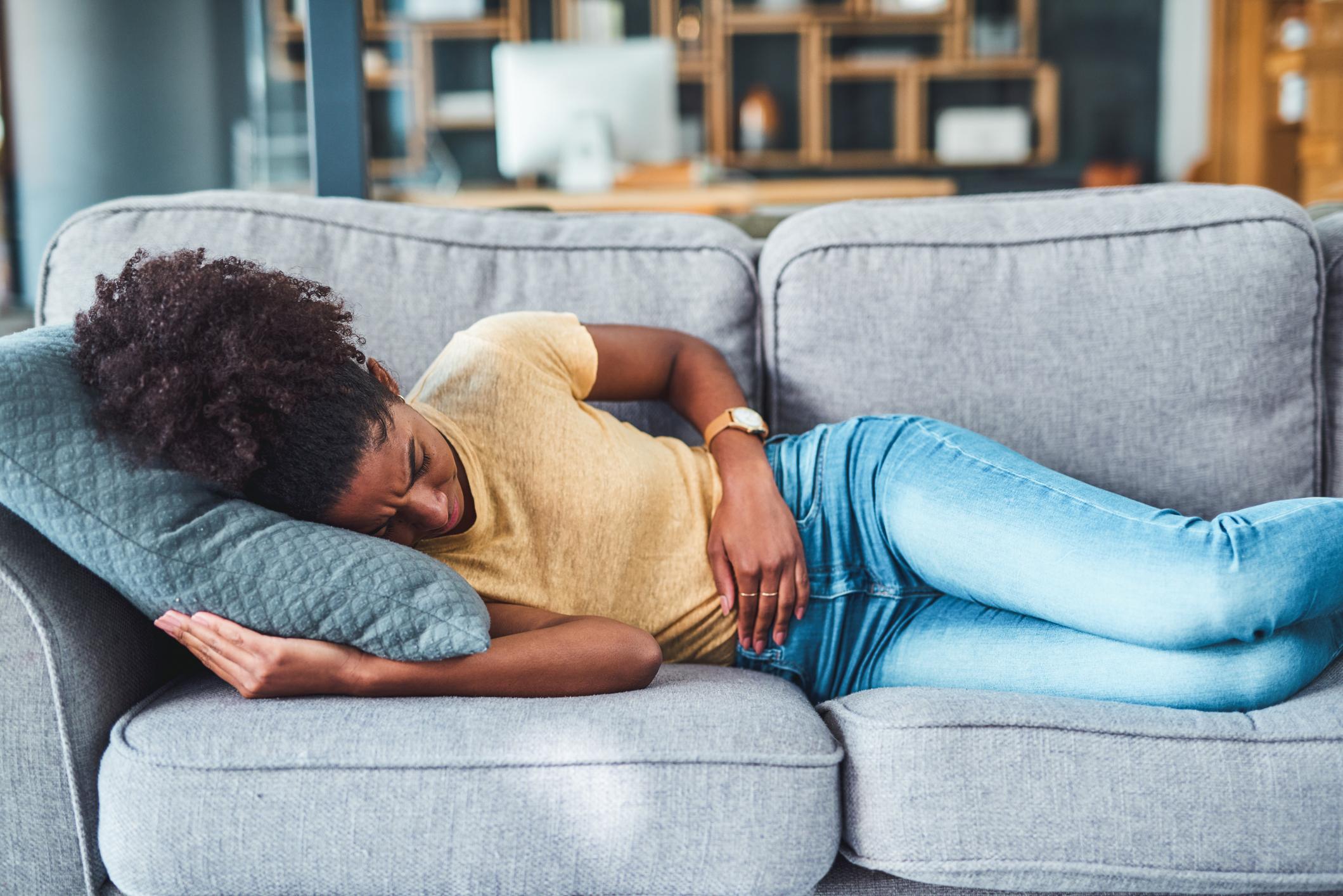
Your stomach has receptors for stress hormones. That’s why anxiety can give you nausea, butterflies, or an upset stomach. The gut-brain link is real and fast.
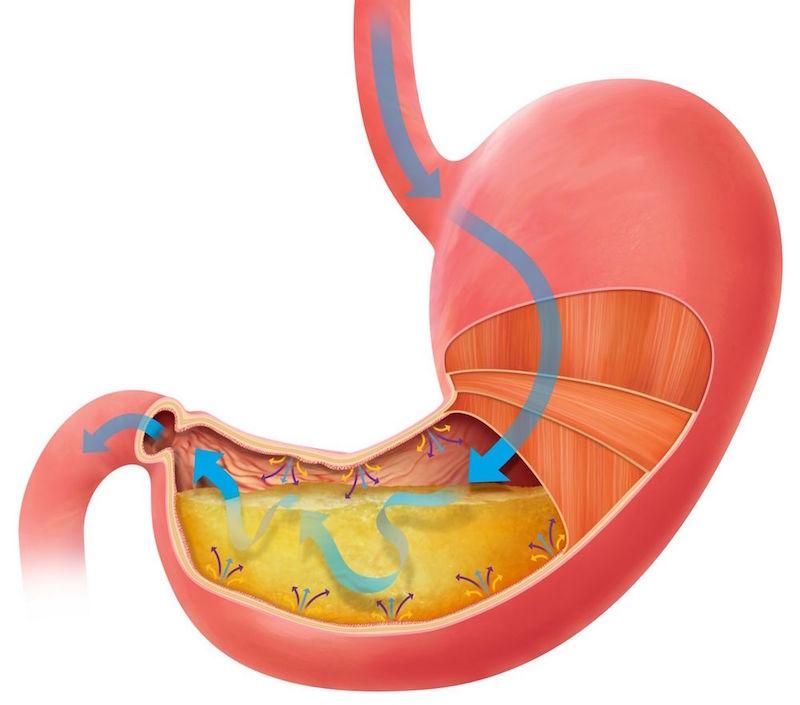
Stomach cells have bitter taste receptors. If they detect something poisonous, they trigger nausea to make you vomit it out — even if your tongue didn’t taste anything weird.
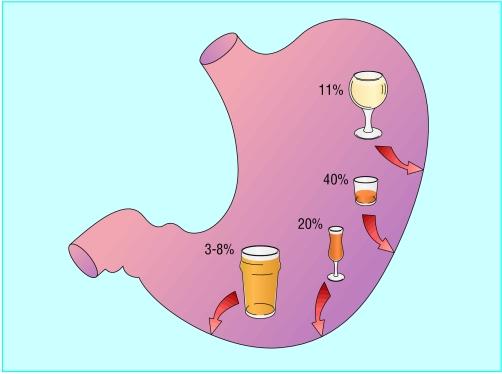
Food slows alcohol absorption. With no food, alcohol goes straight from stomach to bloodstream. That’s why drinking on an empty stomach gets you drunk way faster.
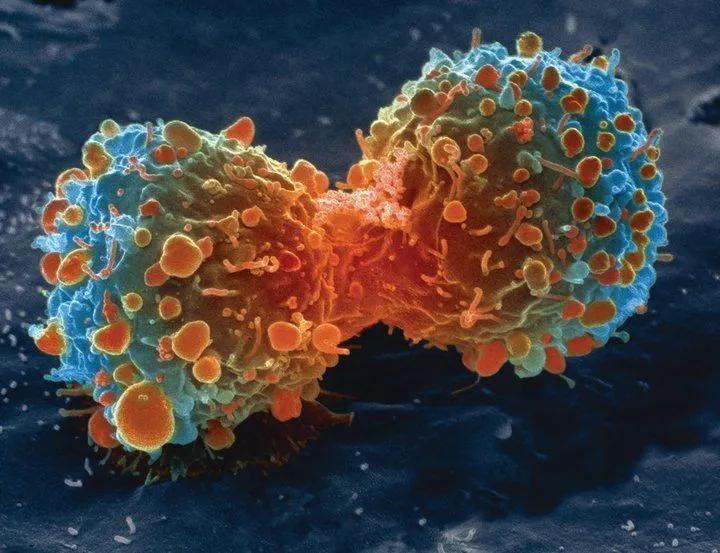
The entire stomach lining replaces itself every 3-4 days. If it didn’t, the acid would eat through it in hours. Some cells in your stomach only live 2-3 days.


