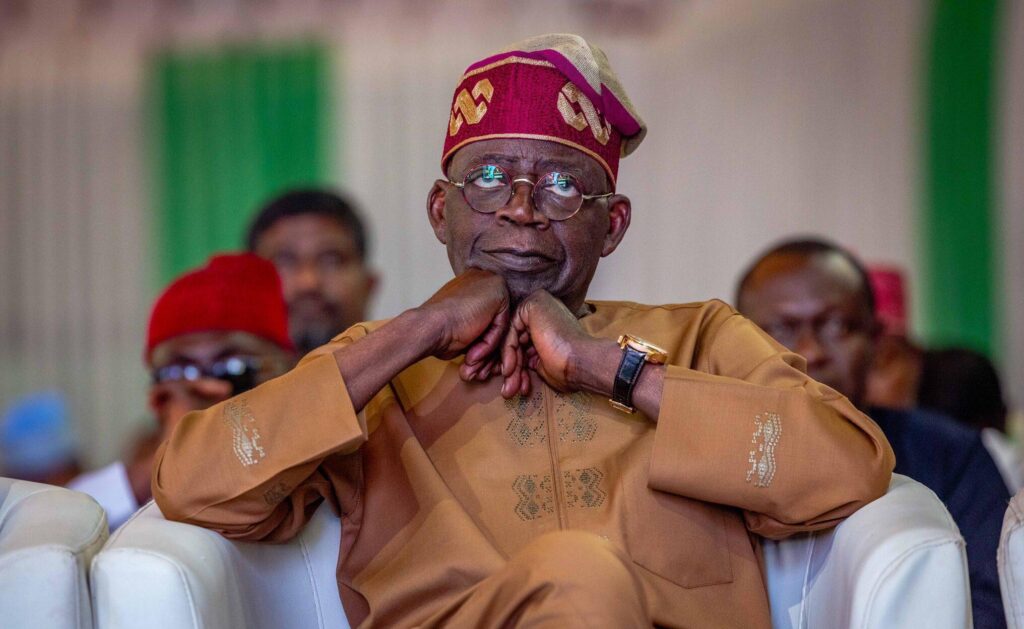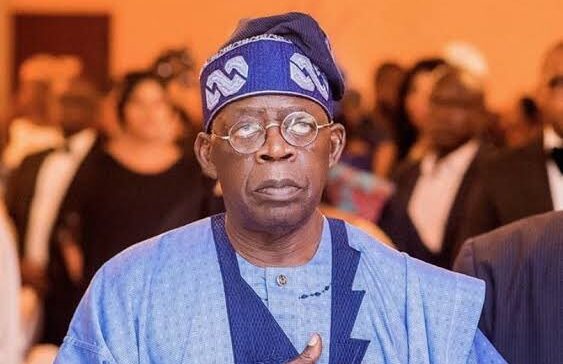
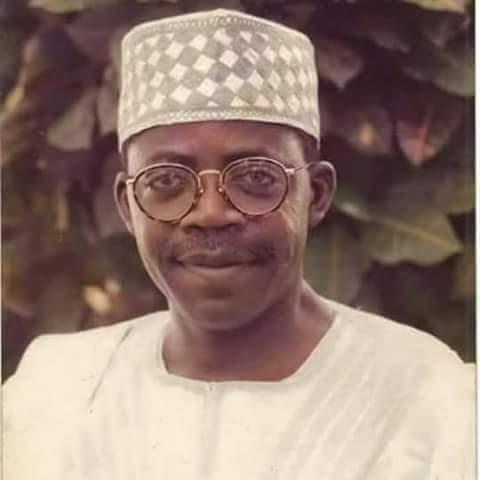
Before entering politics, Tinubu worked in the United States as an accountant for major companies, including ExxonMobil (then Exxon). His corporate career is a sharp contrast to his later rise as one of Nigeria’s most influential politicians.
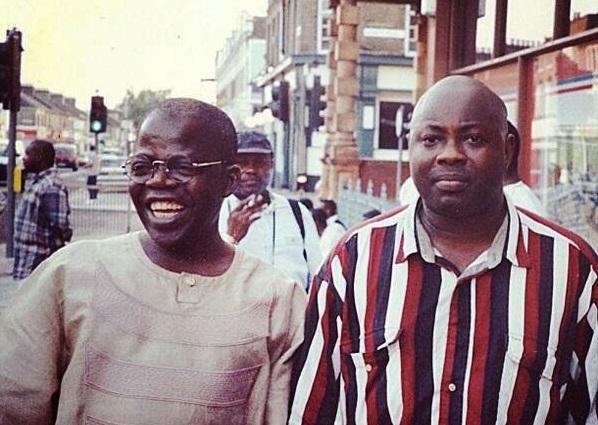
Long before becoming president, Tinubu was forced into exile under the military regime of Sani Abacha for his role in the pro-democracy movement. He was a key figure in the struggle to restore civilian rule.
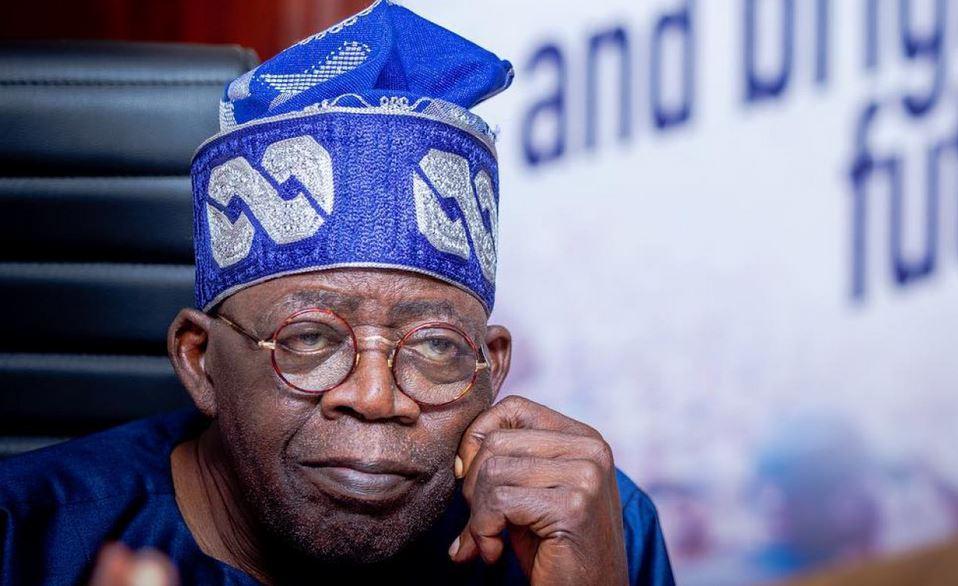
Tinubu is rarely seen in public without his trademark Yoruba cap (“fila”), making it one of the most recognizable elements of his public image.
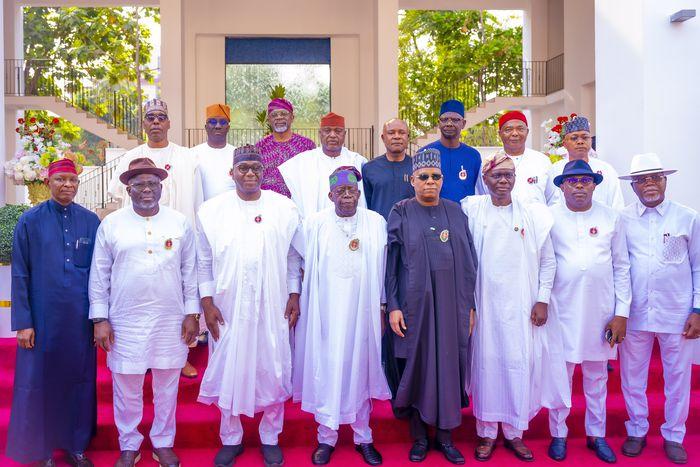
Perhaps no Nigerian politician has mentored as many influential political figures. Several governors, ministers, lawmakers, and party leaders began their political rise under his guidance, earning him the nickname “political kingmaker.”
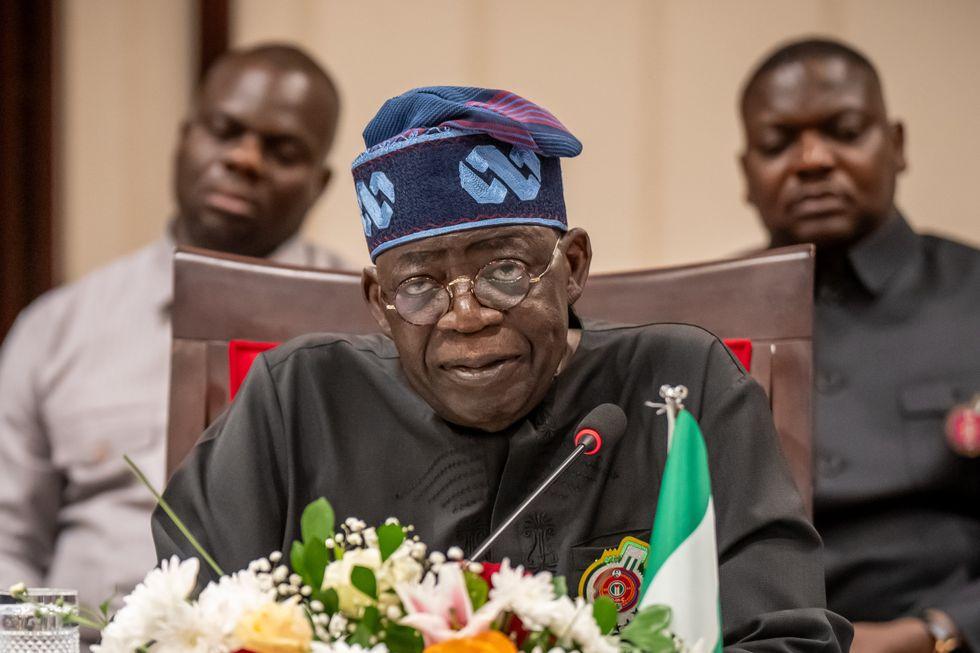
Unlike many world leaders, Tinubu has historically granted relatively few extensive television or newspaper interviews, preferring speeches, official statements, and controlled public engagements.
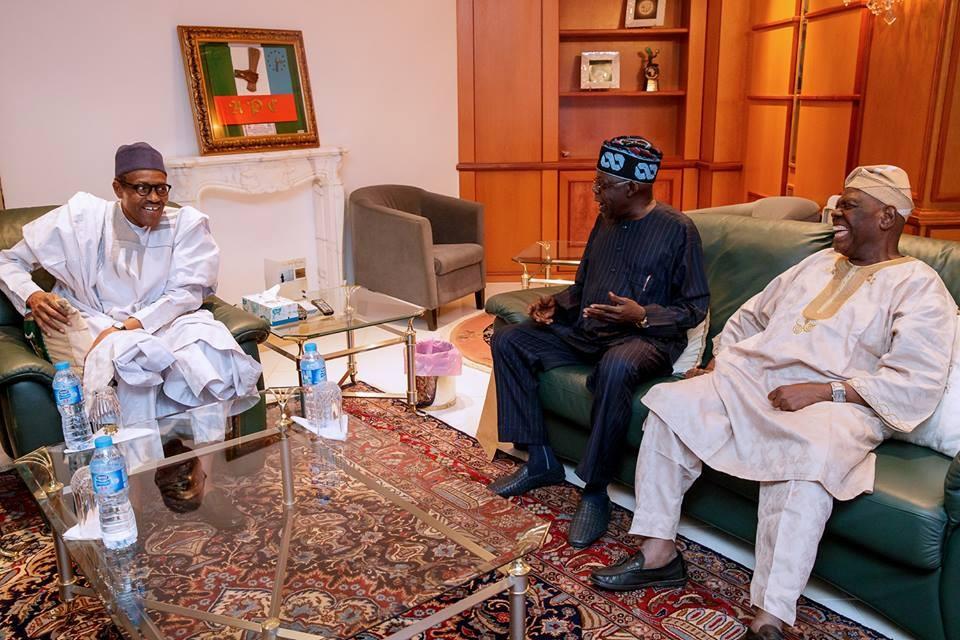
Those who have worked with him often describe him as someone who prefers behind-the-scenes negotiations over public confrontation, especially during coalition-building and party politics.
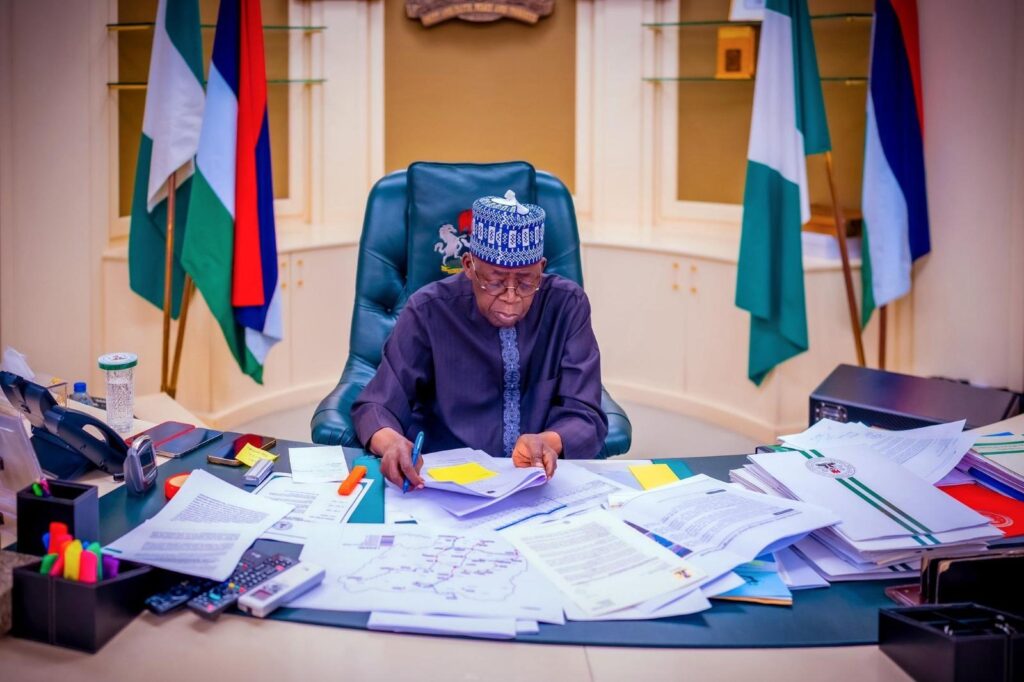
Associates have often spoken about his interest in books on governance, economics, history, and politics, reflecting his reputation as someone who studies policy and political strategy.
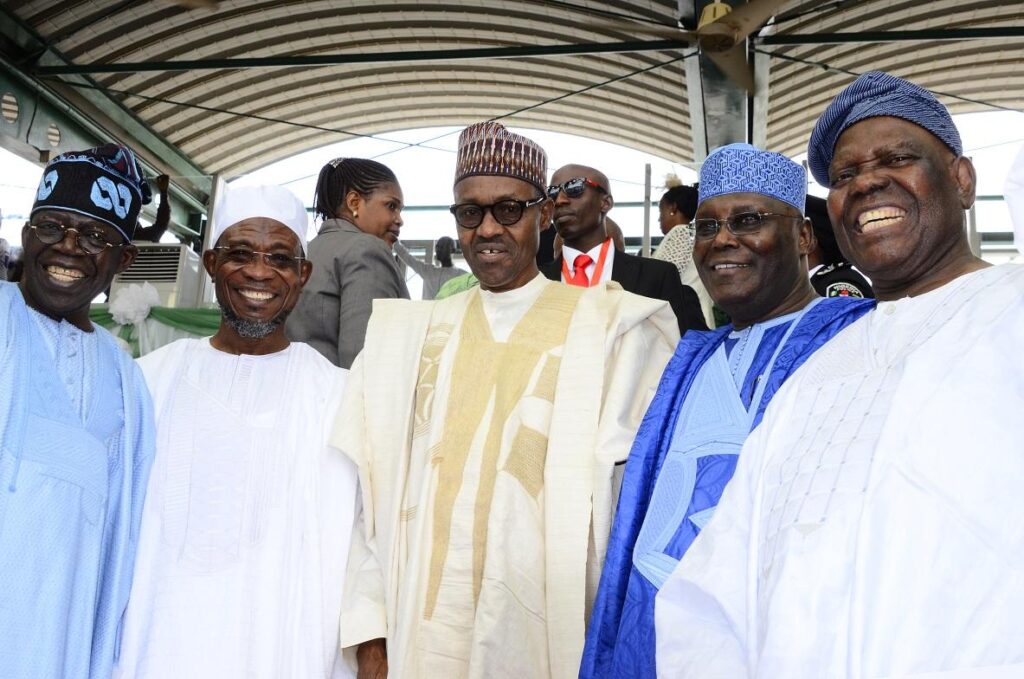
Many Nigerians primarily associate him with his two terms as Lagos governor. Still, he first served as a senator representing Lagos West during the short-lived Third Republic before the military takeover.
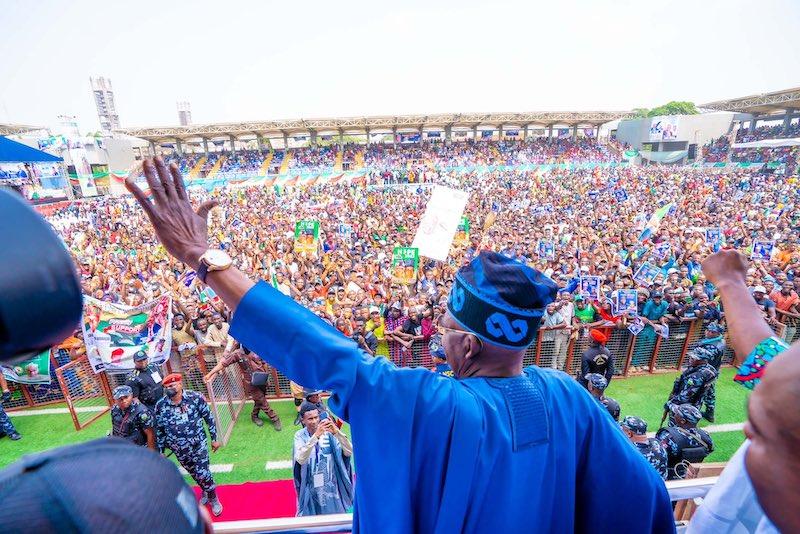
One of the most famous names associated with Tinubu is “Jagaban,” a traditional title that has become synonymous with his political identity. Supporters frequently chant it at rallies, and it has evolved into part of his public brand.
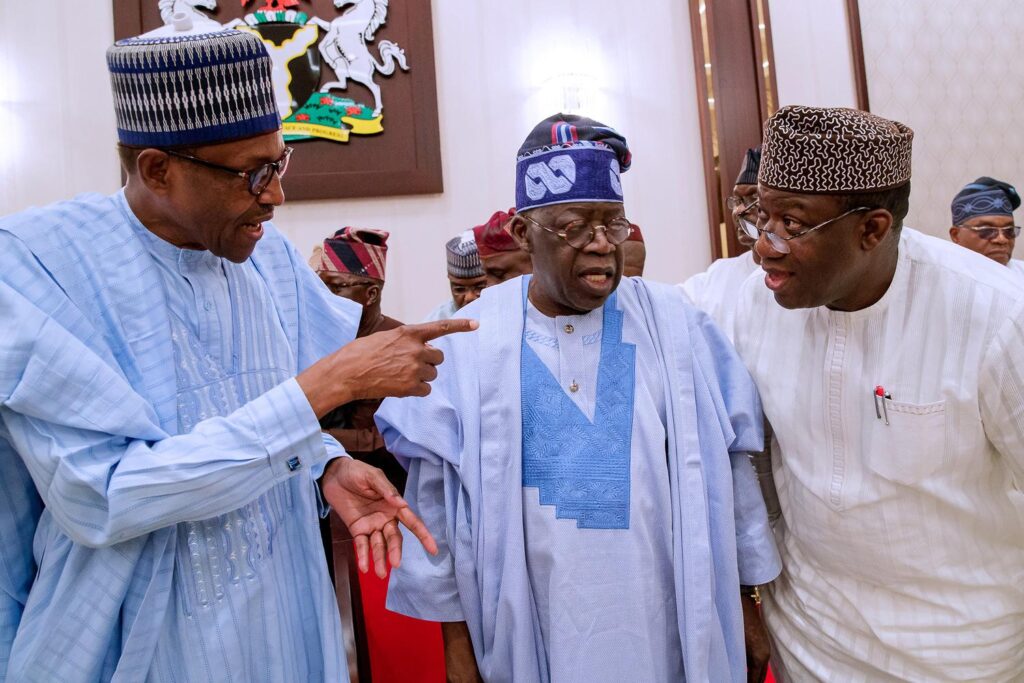
Years before winning the presidency, Tinubu played a major role in shaping opposition politics across Nigeria, helping to build alliances that eventually led to the defeat of an incumbent president in the 2015 election.
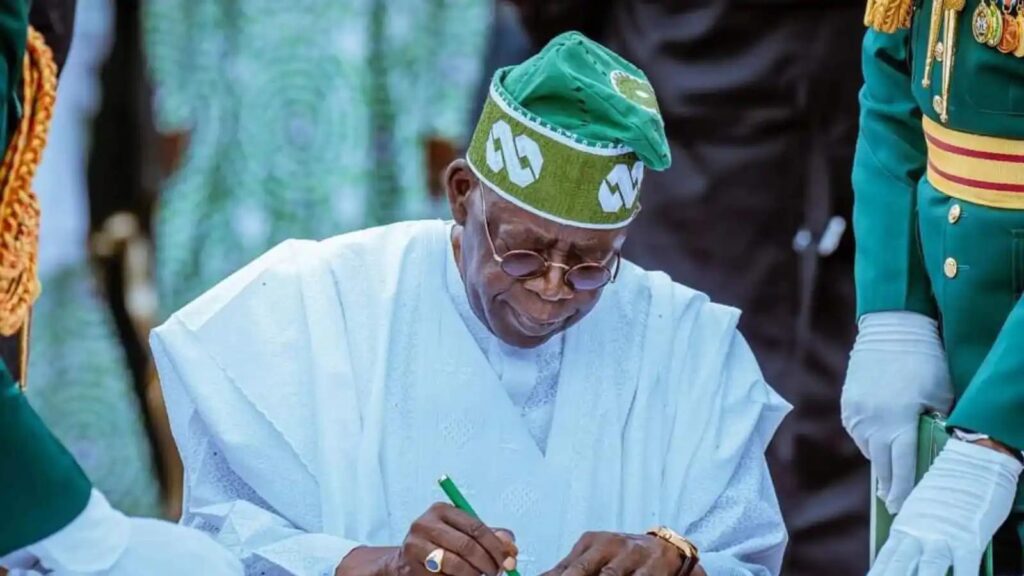
Observant Nigerians have noticed that Tinubu frequently writes and signs official documents with his left hand, a relatively uncommon trait.
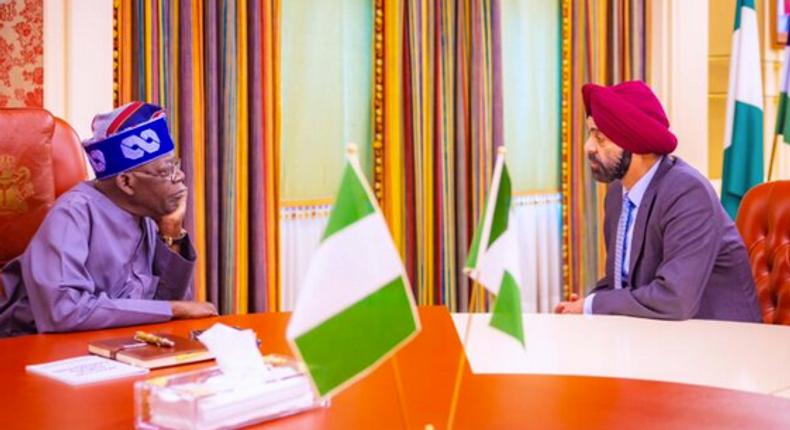
Consultations
People close to him often say he values direct, in-person discussions when dealing with important political or governance matters
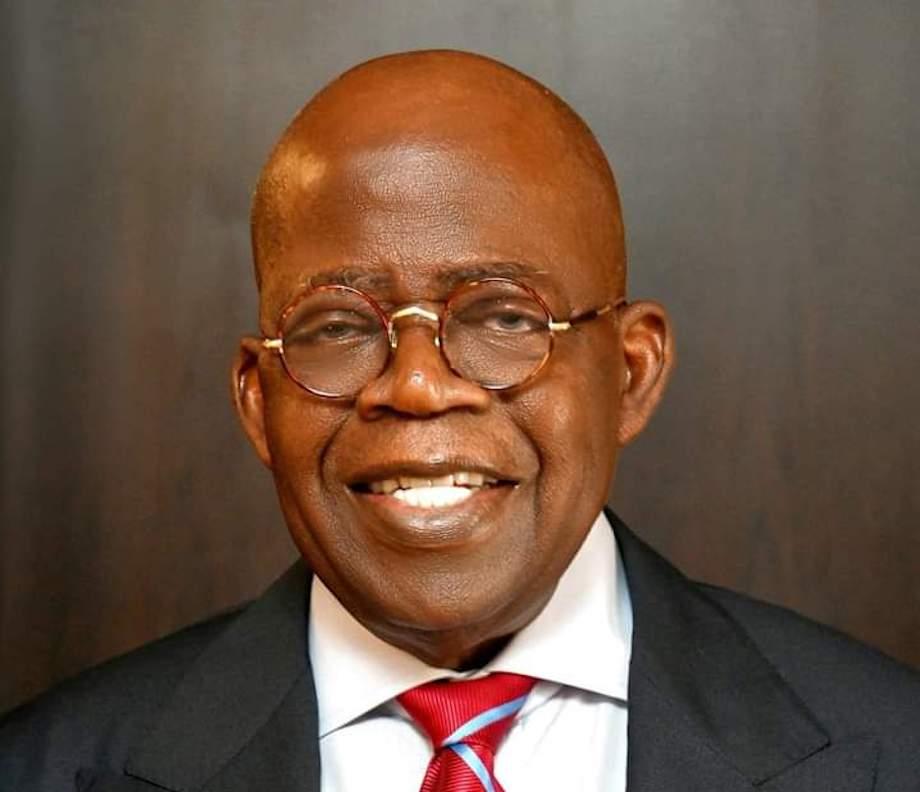
His eyeglasses have become almost as recognizable as his trademark cap and traditional attire.