

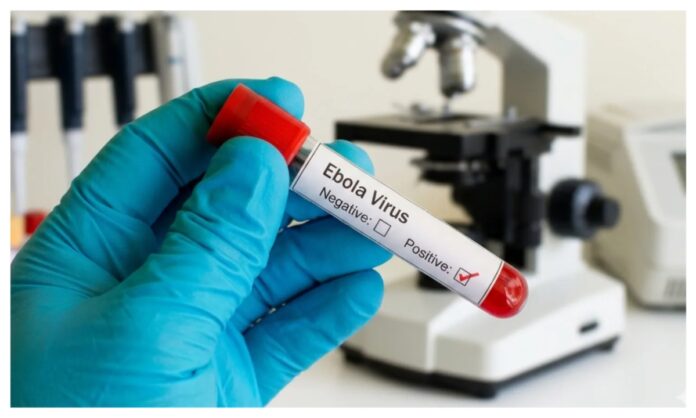
Ebola has resurfaced in Nigeria following the Federal Government’s confirmation of an imported case of Ebola Bundibugyo virus disease in the Federal Capital Territory (FCT) on October 20, 2026. The patient, a woman with a recent travel history to Uganda, is reportedly receiving care in isolation, while health authorities have begun contact tracing. The development has renewed concerns about the spread of the deadly disease and the importance of early detection, particularly as Nigeria last experienced an Ebola outbreak in 2014.
What is Ebola?
Ebola is a severe infectious disease caused by viruses in the Orthoebolavirus genus. It can damage multiple organs, cause severe dehydration and lead to shock or death.
The disease was first identified in 1976 in outbreaks in what are now the Democratic Republic of the Congo and South Sudan. Its average case fatality rate across outbreaks has been about 50 per cent, although the rate varies depending on the virus species and access to medical care.
How does Ebola spread?
Ebola spreads primarily through direct contact with the blood or other body fluids of an infected person, particularly when these fluids enter another person’s body through broken skin or the eyes, nose or mouth.
Transmission can occur through:
-
Contact with the blood, vomit, urine, faeces or other body fluids of an infected person.
-
Handling contaminated clothing, bedding or medical equipment.
-
Contact with infected animals, including certain primates and fruit bats.
-
Touching the body of someone who has died from Ebola.
-
Sexual contact with survivors who still have the virus in certain body fluids.
Ebola is not ordinarily transmitted through simply walking past an infected person. People are generally not considered infectious before symptoms begin.
What are the symptoms of Ebola?
Symptoms usually appear between two and 21 days after exposure. The illness may begin suddenly and worsen as the infection progresses.
Common symptoms include:
-
Fever
-
Severe headache and muscle pain
-
Extreme weakness and fatigue
-
Sore throat
-
Vomiting and diarrhoea
-
Abdominal pain
-
Skin rash
Severe cases may involve bleeding, kidney and liver damage, shock and multiple-organ failure. However, not every patient experiences bleeding.
Because the early symptoms can resemble malaria, typhoid and other common infections, medical assessment and laboratory testing are necessary to confirm Ebola.
Is there a cure or vaccine for Ebola?
Treatment depends on the virus species responsible for the infection.
For Ebola caused by the Zaire ebolavirus species, approved monoclonal antibody treatments and a vaccine are available. However, the current Nigerian case involves the Bundibugyo virus, for which there is no approved vaccine or specific treatment as of October 22, 2026.
Patients receive supportive care, including fluids, electrolyte replacement, management of symptoms and treatment of complications. Early diagnosis and appropriate medical care can improve survival chances.
How can Ebola be prevented?
Preventing Ebola requires early detection, proper hygiene and strict infection-control measures.
Key precautions include:
-
Avoid contact with the body fluids of anyone suspected of having Ebola.
-
Wash hands regularly with soap and water or use an appropriate hand sanitiser.
-
Avoid handling potentially contaminated clothing, bedding or medical equipment.
-
Do not touch the bodies of people suspected of dying from Ebola; trained personnel should conduct safe burials.
-
Seek medical attention promptly after a possible exposure and follow public health instructions.
-
Follow verified guidance from the Nigeria Centre for Disease Control and Prevention (NCDC) and other health authorities.
Anyone who suspects exposure should contact a healthcare professional or public health authority promptly rather than waiting for symptoms to appear.
What does the latest case mean for Nigeria?
Nigeria’s experience in 2014 demonstrated the importance of rapid contact tracing, isolation, laboratory testing and coordination among health authorities in containing Ebola.
Following the latest confirmation, authorities have identified 44 contacts for monitoring and activated public health response measures. The World Health Organization has urged Nigerians to remain calm, follow official guidance and avoid misinformation, stressing that one imported case does not by itself mean Nigeria is experiencing a widespread outbreak.
Ebola is a serious but controllable infectious disease. Early recognition, prompt reporting, careful contact tracing and effective infection prevention are essential to prevent further transmission.


