

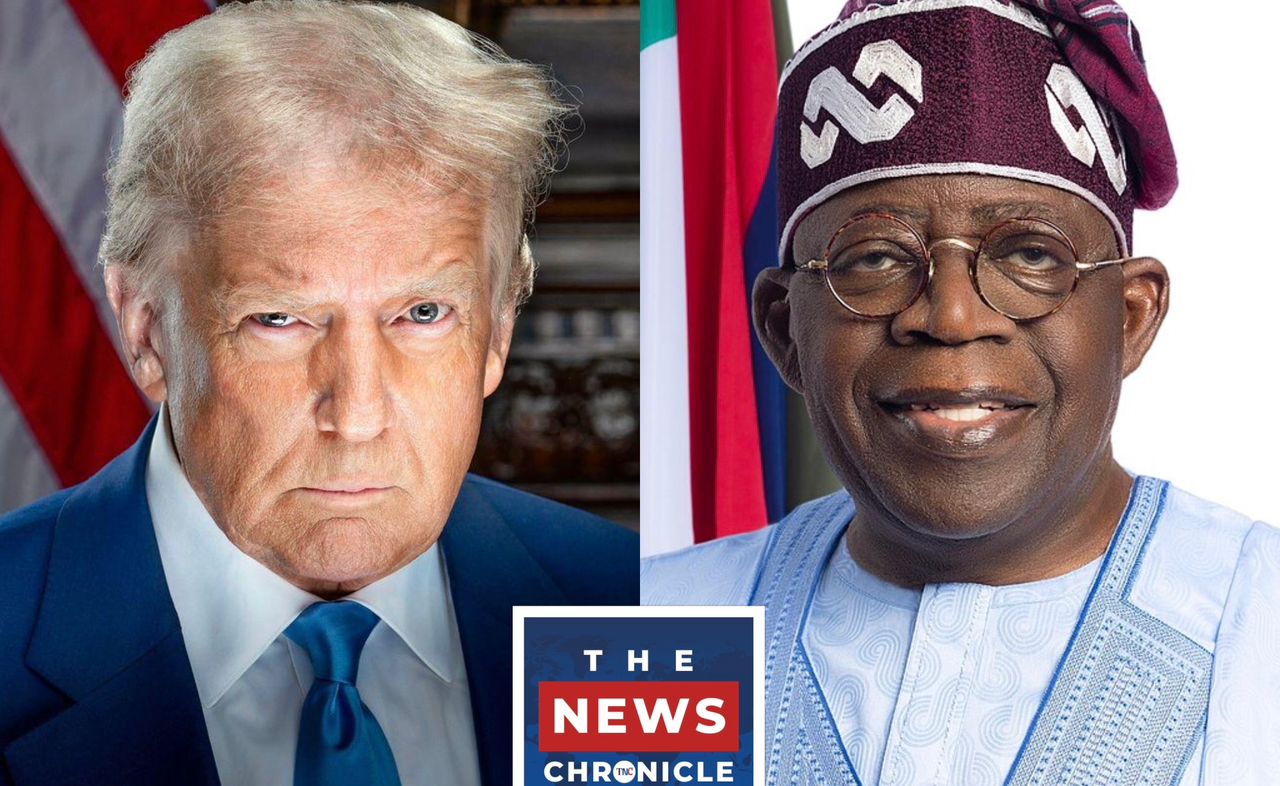
Donald Trump’s potential return to the Oval Office has sparked global discussions about its impact on various economies, particularly in Africa. As a business powerhouse in the region, Nigeria stands at the forefront of this discourse.
Trump’s previous presidency, marked by “America First” policies, altered trade dynamics globally, and his influence on Africa’s economy was both direct and indirect. If he assumes office again, the Nigerian market could face significant challenges and opportunities.
Impact on Trade Relations
Trump’s earlier tenure emphasized reducing US involvement in multilateral trade agreements and prioritizing bilateral deals. For Nigeria, this could mean renegotiations in trade terms under agreements like the African Growth and Opportunity Act (AGOA), which allows duty-free exports of African goods to the US. A shift in focus might favor American businesses, potentially making it harder for Nigerian exporters to access the US market.
Furthermore, Trump’s inclination to protect US industries could lead to increased tariffs on African products, including Nigeria’s oil, textiles, and agricultural goods. With Nigeria relying on oil exports for over 85% of its foreign exchange earnings, such policies could strain its revenue base.
Implications for Investments
The Trump administration was not particularly known for championing foreign direct investment (FDI) in Africa. A repeat presidency might see reduced financial aid and investment initiatives targeting Africa, potentially affecting Nigeria’s key sectors such as technology, agriculture, and energy. However, this could also push Nigeria to diversify its foreign investment sources, particularly toward Asian and European markets.
Currency and Financial Markets
Nigeria’s currency, the naira, might experience increased volatility due to shifts in global trade policies and a stronger US dollar under Trump’s economic strategies. A rising dollar typically leads to capital flight from emerging markets like Nigeria, exacerbating inflation and forex scarcity.
Geopolitical Influence
A Trump presidency could also alter Nigeria’s geopolitical relationships. His tough stance on immigration might impact the Nigerian diaspora, who are key contributors to remittances, a vital source of Nigeria’s foreign exchange. Conversely, his focus on counterterrorism might foster stronger US-Nigeria cooperation in combating insurgencies.
Conclusion
While the effects of a Trump presidency on Nigeria’s market could bring uncertainties, they may also serve as a wake-up call for Nigeria to strengthen regional trade under the African Continental Free Trade Agreement (AfCFTA). Regardless of the challenges, opportunities to innovate and diversify remain abundant for Nigerian businesses.


