

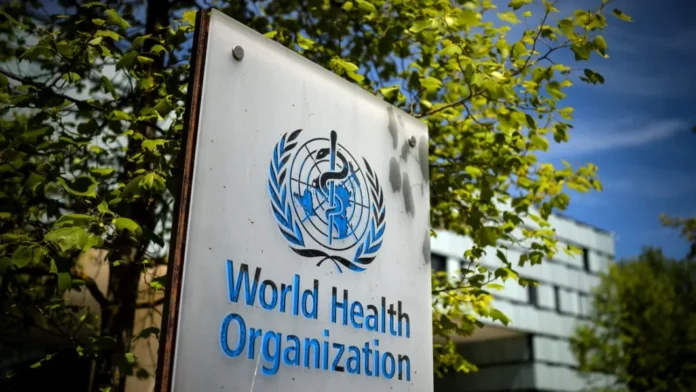
More than 3,000 people have died from cholera worldwide since the beginning of 2026, with nearly 90 per cent of the deaths recorded in Africa, the World Health Organisation (WHO) has said.
The WHO disclosed this on Tuesday, warning that the disease remained a major public health threat despite efforts to reduce global cases by 90 per cent by 2030.
According to Lorenzo Pezzoli, the WHO’s lead for epidemic-prone bacterial diseases, cholera killed nearly 7,900 people in 2025, making it the deadliest year for the disease since 1999.
Pezzoli said data from the first nine months of 2026 showed a decline in deaths compared with the previous year, but stressed that the number of fatalities remained high.
The UN health agency also warned that the current El Niño weather pattern could worsen cholera outbreaks, as both flooding and water shortages can contribute to the spread of the disease.
The WHO and vaccine alliance, Gavi, are working towards reducing global cholera cases by 90 per cent by 2030 through mass vaccination campaigns and improved access to clean water and sanitation.

Pezzoli noted that although cholera had been eliminated from high-income countries generations ago through access to safe drinking water and modern sewage systems, it remained a threat in other parts of the world.
He warned that the disease could kill within hours if left untreated, despite being preventable and treatable with existing medicines.
READ ALSO: Wike Takes Fresh Swipe at Peter Obi, Questions His Capacity to Lead Nigeria
“The 2030 goal is achievable because the work is already under way,” Pezzoli said.
He cited the International Coordinating Group on Vaccine Provision, which approved the supply of 71 million vaccine doses in 2025, funded by Gavi.
The WHO said vaccines and rapid diagnostic tests were also reaching outbreak areas more quickly, enabling health workers to identify infections and respond earlier.
It added that the organisation and its partners were supporting countries in identifying districts where cholera repeatedly resurfaces and developing targeted response plans.
Seven countries, Angola, Bangladesh, the Democratic Republic of the Congo, Nigeria, South Sudan, Sudan and Yemen — accounted for about 90 per cent of global cholera cases and deaths in 2025.
Pezzoli acknowledged progress in the global response but warned that more efforts were needed to achieve the 2030 target.
“The collective response is undeniably bearing fruit, but… it remains insufficient,” he said.
He urged stakeholders to intensify efforts to help affected countries eliminate cholera as a public health threat by 2030.


