


Borno State Governor, Babagana Umara Zulum, has announced plans to approve special allowances for teachers serving in hard-to-reach communities across the state.
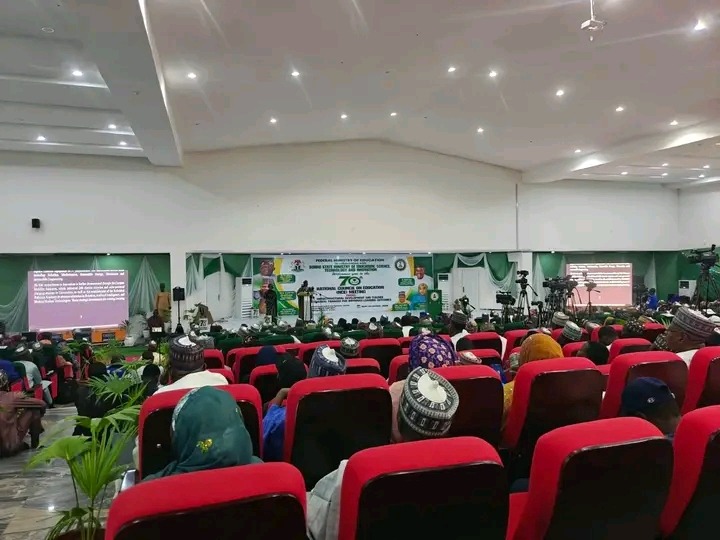
Zulum made the announcement on Thursday at the 70th National Council on Education meeting held at the Muhammadu Indimi International Conference Centre, University of Maiduguri.
The meeting, themed “Infrastructural Development and Teacher Motivation: Panacea for Improved Learning Outcomes,” focused on strengthening Nigeria’s education system through improved infrastructure and better welfare for teachers.
The governor said motivating teachers was critical to achieving meaningful progress in the education sector, noting that his administration had constructed hundreds of teachers’ quarters across various local government areas.
He said the proposed special allowances would provide additional support and encouragement to teachers working in remote communities where access to basic amenities remains challenging.
The Minister of Education, Maruf Tunji Alausa, commended the Zulum administration for improving education and infrastructure despite the years of insurgency in Borno.
READ ALSO: ‘Rig and Die’: Anyone Caught Rigging Should Face Full Wrath of the Law – Ex-NBA President Akpata
“You have changed the perception about Borno State,” Alausa said, while praising the governor’s efforts to transform the state.
He urged delegates attending the council to visit public schools in Maiduguri, stressing that decisions reached at the meeting would influence the educational experiences of millions of Nigerian children.
Alausa also called for safe classrooms, functional laboratories, reliable teaching materials, improved teacher remuneration and continuous professional development.
Meanwhile, Borno State Commissioner for Education, Lawan Abba Wakilbe, said the state had recorded significant improvements in school infrastructure since 2019.
According to him, the number of usable classrooms in the state has increased to 5,792, while functional senior secondary schools rose from 34 in 2019 to 129 in 2026.
Wakilbe expressed confidence that the National Council on Education would produce practical recommendations capable of addressing the challenges of education funding and improving learning outcomes across the country.