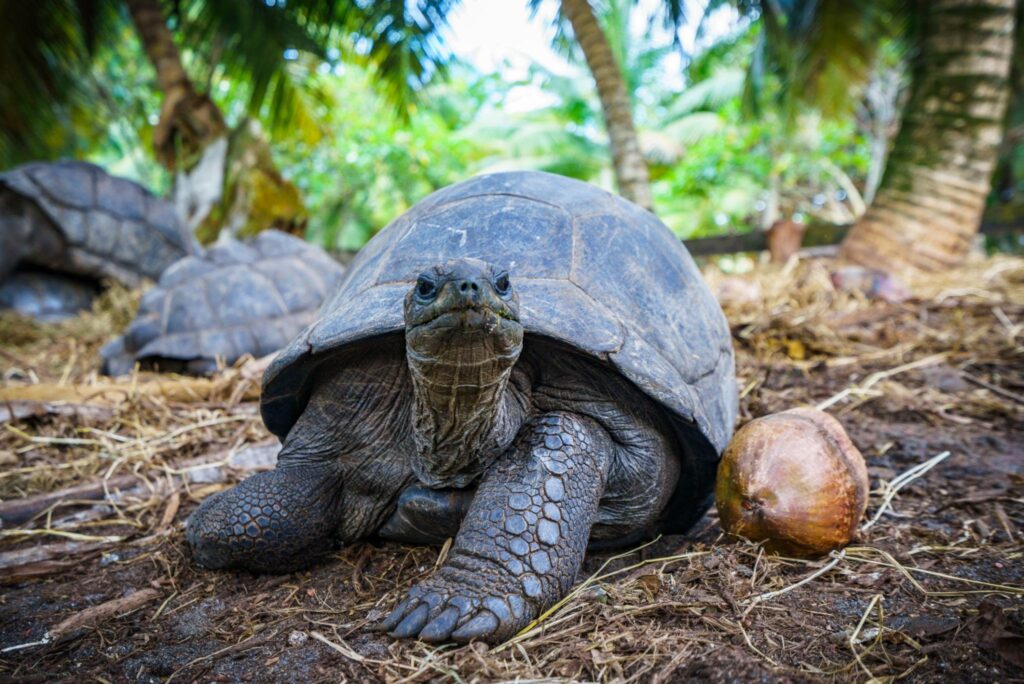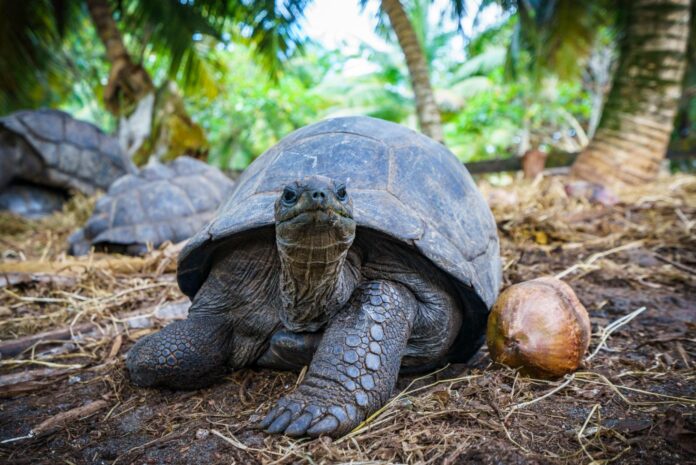
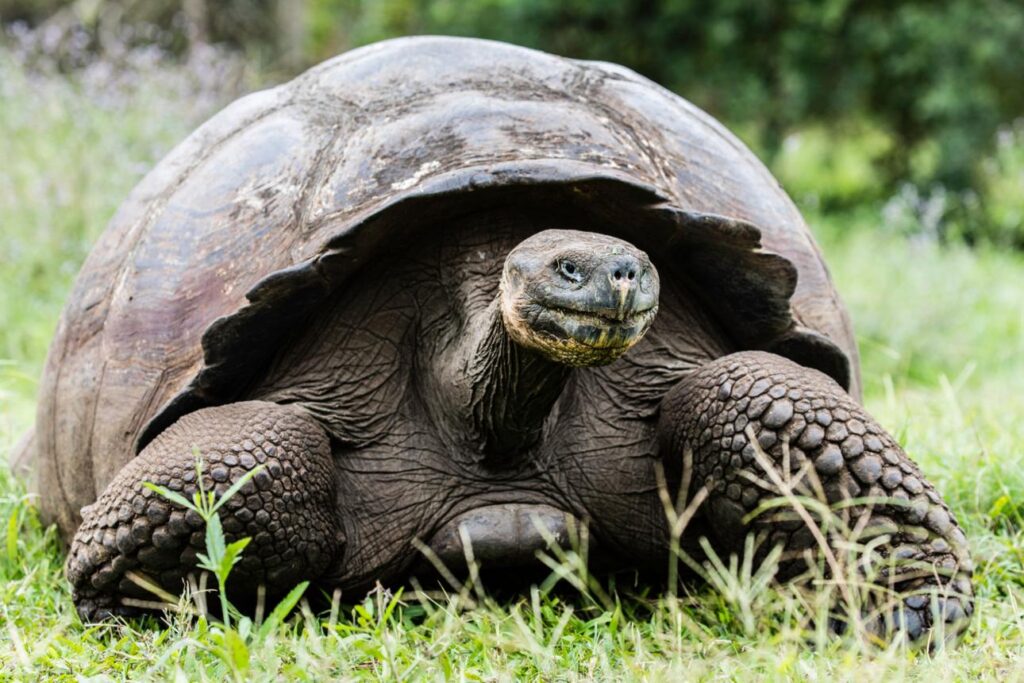
Giant tortoises are among the longest-living land animals. Galápagos and Seychelles giant tortoises can live well beyond 100 years, with some individuals estimated to have reached 150 years or more.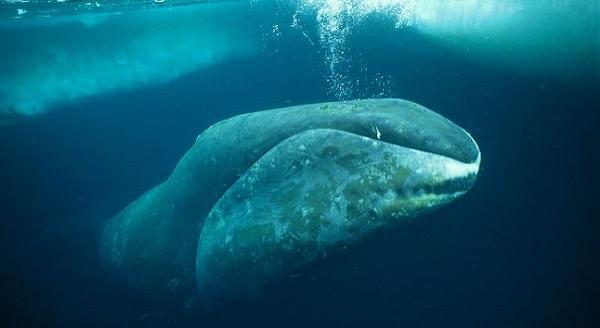
The Greenland shark is one of the longest-lived vertebrates known to science. Researchers estimate that some can live for at least 250 years, with exceptional individuals potentially exceeding 400 years.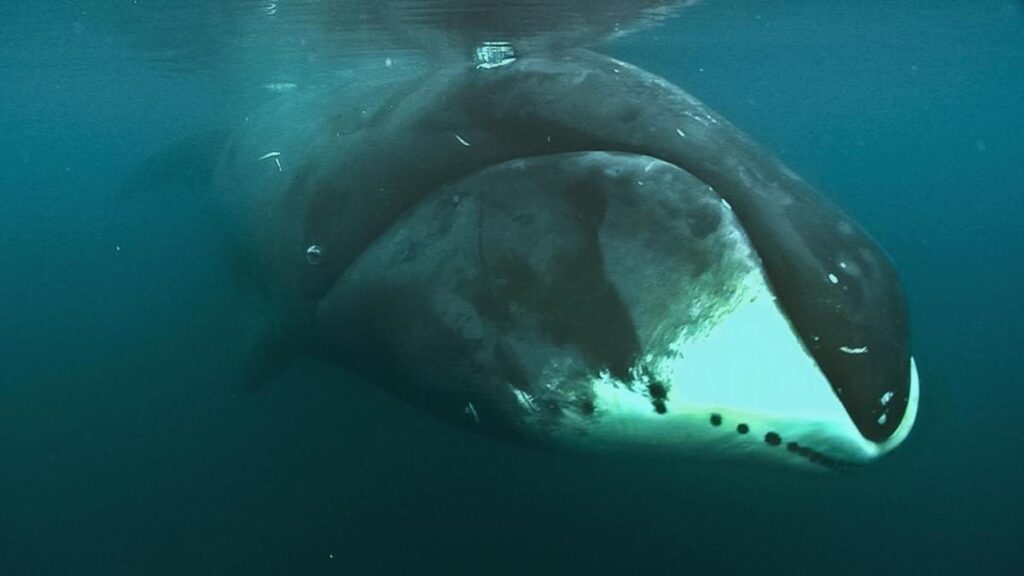
Bowhead whales are among the longest-lived mammals. Scientists estimate that they can live for more than 200 years. Evidence from old harpoon fragments found in some whales has helped establish their remarkable longevity.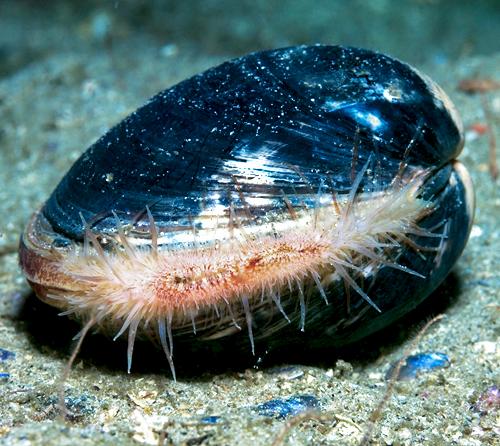
This unassuming shellfish can live for more than 400 years. One famous specimen, nicknamed Ming, was estimated to be 507 years old when it was collected from the waters around Iceland.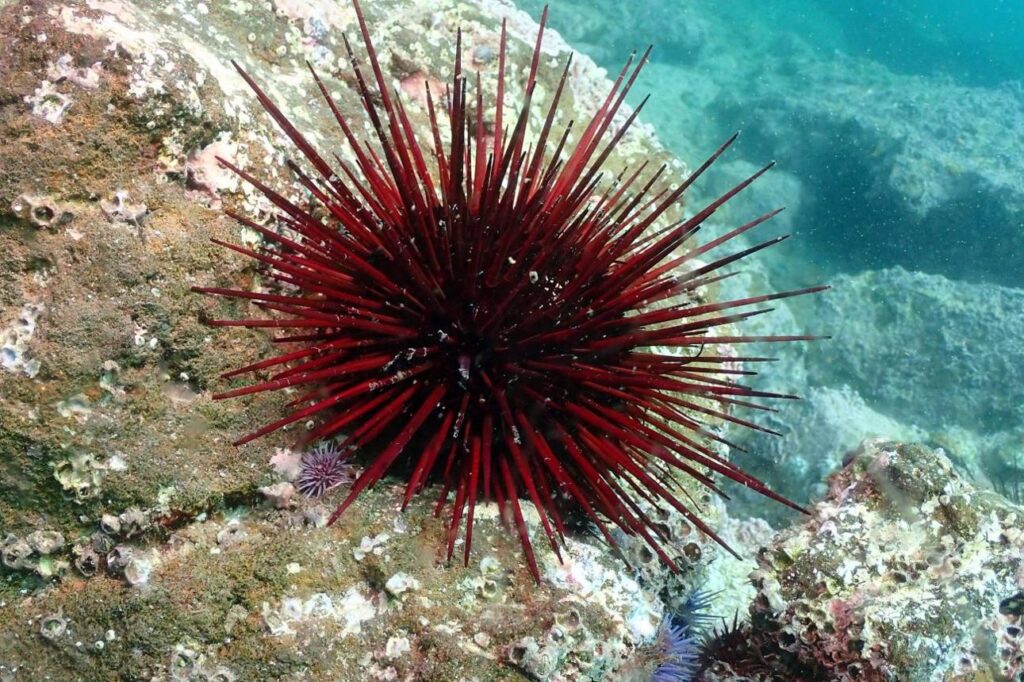
Red sea urchins found along the Pacific coast of North America can live for more than 100 years. Some populations have produced individuals estimated to be 200 years old or more.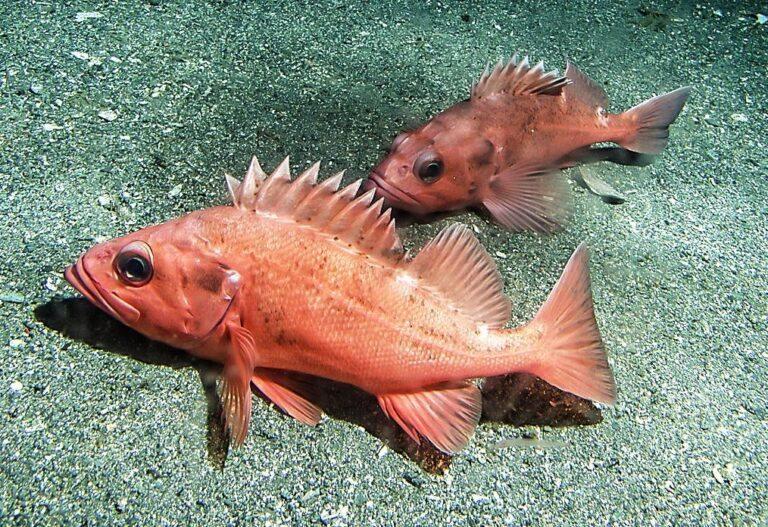
The rougheye rockfish is a deep-water fish found in the North Pacific. It has an extraordinary lifespan, with documented individuals reaching around 200 years.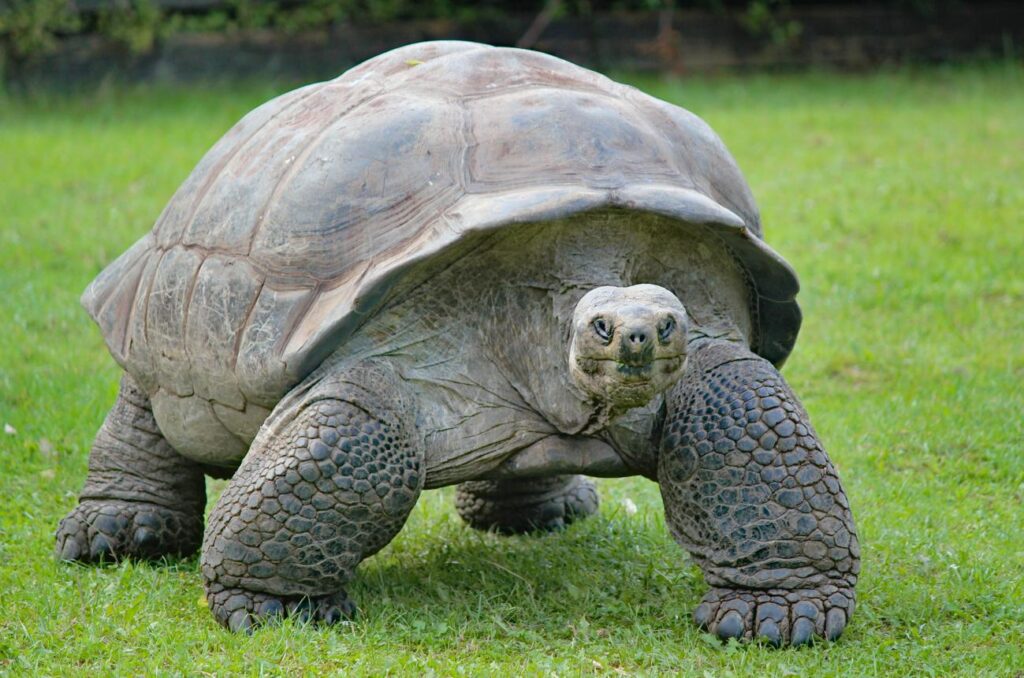
The Aldabra giant tortoise is another exceptionally long-lived reptile. These enormous tortoises can live for well over a century, and some individuals have been reported at ages approaching or exceeding 150 years.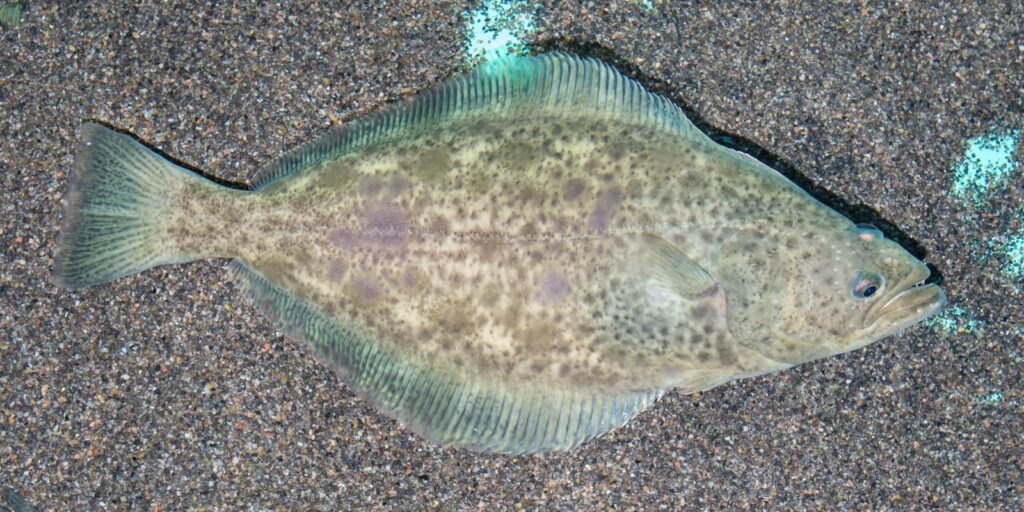
Lake sturgeon are ancient freshwater fish native to North America. Some can live for more than 100 years, making them among the longest-lived freshwater fish.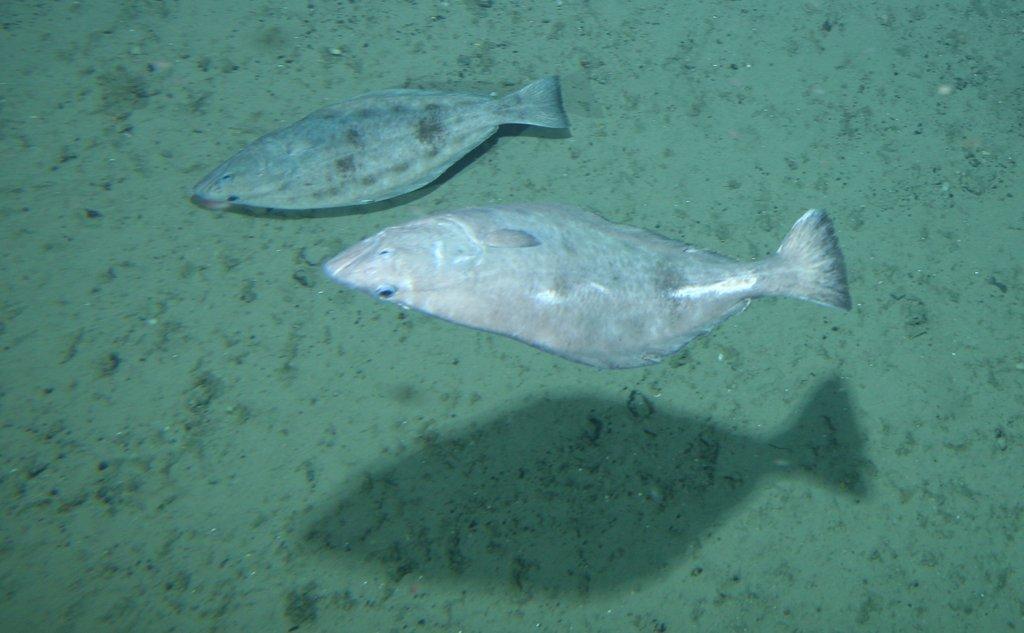
American lobsters may have remarkably long lifespans. Because determining their exact age is difficult, estimates vary, but some scientific research suggests that large individuals can potentially live 100 years or more.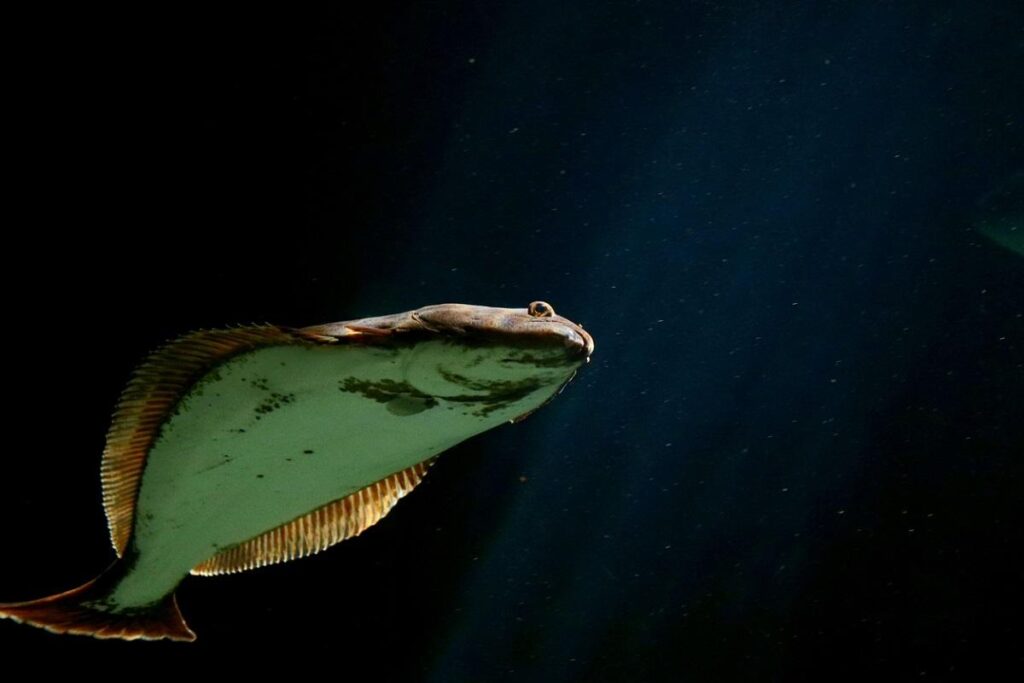
Greenland halibut are cold-water flatfish found in the North Atlantic and Arctic regions. Some studies have suggested lifespans exceeding 100 years, although estimates vary depending on the population and ageing method used.