

Extreme diets, slimming teas, expensive gym memberships, waist trainers, and endless fasting routines. The list of weight loss methods many Nigerians have tried is long, and for some people, exhausting.
After months of effort, the results often fall short. A few kilograms come off, only to gain a few weeks later.
This is one of the main reasons more Nigerians are turning to licensed pharmacies and
medical weight-loss clinics like HueBeautyGlam for metabolic solutions powered by GLP-1
drugs.
So, what exactly are GLP-1 drugs, and why are they changing how Nigerians approach weight loss today?
What is GLP-1 Medication?

She personally lost 25kg in four months while using Mounjaro, giving her direct experience with the appetite changes and weight loss process that many of her patients are navigating.
Types of GLP-1 Weight Loss Drugs
Not every GLP-1 medication produces the same results. Some are single GLP-1 agonists, while others combine GIP and GLP-1 action, which is why outcomes often vary from patient to patient.
Here is a closer look at the two main categories Nigerians are currently searching for.
-
Semaglutide-Based Weight Loss Drugs
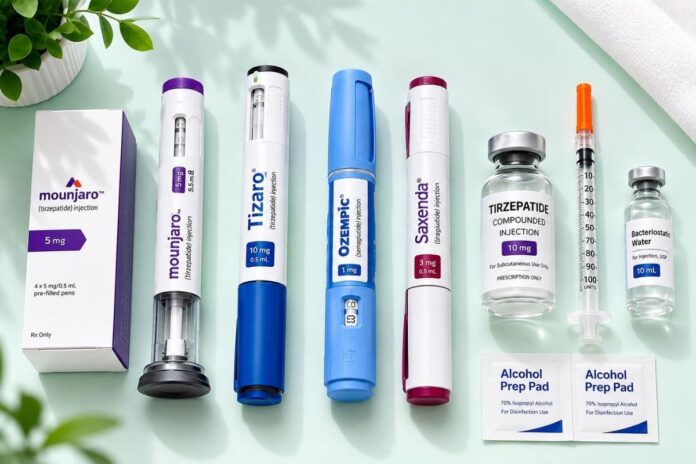
Semaglutide is the active ingredient behind Ozempic and Wegovy, two of the most recognised names in medical weight loss globally.

These weekly injections are known for strong appetite control and gradual, sustainable fat loss.
When used correctly and under clinical guidance, semaglutide-based medications typically deliver 10% to 20% weight reduction over several months.
-
Tirzepatide-Based Weight Loss Drugs
Tirzepatide is the active ingredient in Mounjaro, Compounded Tirzepatide, and Tizaro.
Unlike semaglutide, tirzepatide works on two hormonal pathways, GIP and GLP-1, which is why it often produces stronger fat-loss outcomes.

Many patients on tirzepatide-based treatments have reported up to 22% body weight reduction, which is why Mounjaro and Tizaro are gaining ground among Nigerians seeking clinically supervised weight loss.
The question of which GLP-1 is best for weight loss has no universal answer.
Clinicians at trusted providers like HueBeautyGlam typically evaluate a patient’s weight loss goals, insulin resistance profile, budget, dosage convenience, and overall medical history before recommending the right option.
Why GLP-1 Medications Are Becoming So Popular in Nigeria
GLP-1 medication prices in Nigeria currently range from ₦87,500 to ₦950,000, depending on dosage and brand.
Despite these figures, demand continues to rise steadily across Nigeria.
Ann Mbene says the reason for the continued demand is that Nigerians are rethinking how they approach weight loss.
She says, “More people now understand obesity as a metabolic issue rather than a lifestyle failure. Awareness of conditions like PCOS and insulin resistance has grown significantly, especially among women. And a larger segment of the population is prioritising clinically supervised results over unreliable quick-fix products.”
This cultural and medical shift is challenging and reshaping what weight management looks like in Nigeria today.
How Access to GLP-1 Medications Has Improved in Nigeria
A few years ago, accessing authentic GLP-1 drugs in Nigeria was complicated and often unreliable.
Today, specialist weight loss clinics like HueBeautyGlam and trusted pharmacies with cold-chain delivery systems and nationwide consultation models have made these treatments significantly more accessible.
HueBeautyGlam offers authentic pharmaceutical sourcing with verifiable batch numbers, full dosage availability across Mounjaro and semaglutide options, temperature-controlled storage at the required 2 to 8 degrees Celsius, doctor-led consultations, and nationwide delivery that protects the integrity of every pen.
For patients who prefer in-person verification, HueBeautyGlam also operates a physical store at House 7, Christo Court, DpKay Estate, Lekki II, Lagos.
The Risks That Come With the GLP-1 Boom
As demand for GLP-1-based treatments rises, concerns about unsafe practices in the market grow.
Counterfeit Mounjaro pens, unverified online sellers, incorrect dosage use, and purchases made without proper medical consultation have become increasingly common in Nigeria.
Improper storage is another major issue. These medications must be kept between 2 and 8 degrees Celsius.
When this standard is not met, the drug’s effectiveness can be compromised.
Ann Mbene notes that some patients arrive sceptical after previous treatments failed, only to discover that the product they purchased from informal online vendors had been damaged.
In some cases, compromised Mounjaro or Tizaro may show a visible shift from clear to cloudy, which can indicate improper handling.
These risks underscore the growing importance of medically supervised care.
Clinics like HueBeautyGlam are increasingly emphasising verified pharmaceutical sourcing, structured consultations, and strict cold-chain management to ensure both safety and treatment effectiveness.
As the market expands, patients are being encouraged to prioritise credibility and clinical oversight over convenience or price.
Conclusion
GLP-1 medications are not a shortcut. They represent a genuine investment in metabolic health, and most treatments are dosage-based, meaning results depend heavily on proper titration, ongoing monitoring, and consistent clinical support.
For anyone considering GLP-1 drugs for weight loss in Nigeria, the safest path forward is a proper consultation, authentic medication sourcing, dosage continuity, and ongoing support from trusted clinics like HueBeautyGlam.
Weight loss is deeply personal, and the right GLP-1 treatment should reflect that.


