

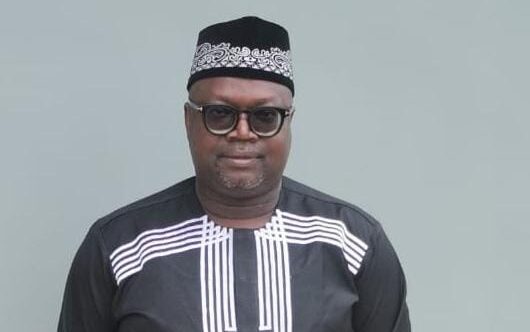
The Chairman of the Guild of Public Affairs Analysts, Enugu State Chapter, Dr. Ambrose Igboke, has challenged the European Union (EU) to move beyond issuing warnings against electoral violence in Nigeria and impose concrete sanctions on politicians and public officials responsible for undermining the democratic process.
Igboke said the EU’s condemnation of political violence and hate speech would have little impact if individuals who instigate or perpetrate electoral violence continued to enjoy impunity without facing consequences.
Speaking during an interview with our correspondent in Enugu, the political analyst accused the EU of weakening its previously firm stance on electoral malpractice in Nigeria, describing its recent interventions as routine statements that accompany election periods without producing meaningful results.
He argued that the EU should consider measures such as international sanctions and freezing the overseas assets of individuals implicated in electoral violence, insisting that those who threaten opponents and encourage attacks on members of rival political parties must be held accountable.
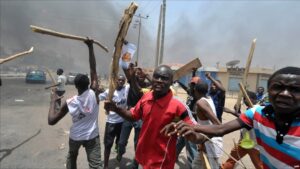
“The failure to prosecute individuals who make inflammatory and threatening political statements, particularly in connection with the political situation in Osun State, sends a dangerous message that electoral violence can be committed without consequences.
“If the EU wants us to take them more seriously concerning election matters in Nigeria, they should bite, not only bark,” he said.
Igboke maintained that issuing statements before elections was insufficient, stressing that the real test of international commitment to democracy was the ability to ensure that perpetrators of violence faced justice.
He, however, commended the National Human Rights Commission for what he described as its consistent efforts in promoting and defending human rights in the country.
On the legal battles threatening opposition political parties and their candidates ahead of the 2027 general elections, Igboke blamed some of the emerging crises on the failure of party leaders to manage internal disagreements and reconcile aggrieved members.
He specifically faulted the manner in which the David Mark-led leadership of the African Democratic Congress (ADC) emerged, describing the takeover as a forceful process that failed to accommodate the grievances of existing members.
The analyst said he had earlier warned that the manner of the leadership change could generate legal complications capable of threatening the party’s political ambitions.
“The failure to pursue reconciliation and mediation at the initial stage created opportunities for aggrieved members to become instruments in the hands of political opponents seeking to frustrate the party.
“Some court cases might be driven by genuine grievances, while others could be influenced by ego, political bargaining and the desire of aggrieved individuals to demonstrate their relevance within the party,” he observed.
READ ALSO: Kill Terrorism With Education — Buratai Calls for Greater Investment in Nigerian Youth
Igboke, who identified himself as a chartered mediator, urged the ADC leadership to explore out-of-court settlements and engage aggrieved stakeholders through mediation and conciliation before the disputes further undermine the party.
He urged political leaders to be willing to negotiate and address legitimate grievances, including reaching compromises that could persuade dissatisfied members to withdraw their cases.
Igboke warned that continued internal wrangling could distract opposition parties from the task of building credible political structures ahead of the 2027 elections.
He stressed that Nigeria needed a strong and viable opposition capable of providing meaningful political alternatives, rather than parties weakened by avoidable leadership disputes and prolonged court battles.


