

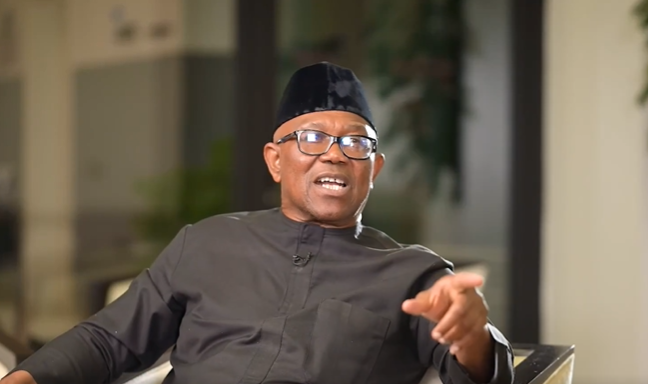
Peter Obi’s reputation for frugality, fiscal discipline and opposition to political extravagance remains one of his strongest selling points. His famous “no shishi” philosophy has helped him cultivate an image of a politician who is unwilling to throw public money around or indulge in the transactional politics that have long defined Nigeria’s political landscape.
But as the 2027 presidential election approaches, a troubling question is emerging: Can Obi’s much-celebrated frugality win him the presidency if it comes at the expense of the political relationships and loyalists needed to secure it?
The former Anambra governor built an extraordinary political movement in 2023, largely powered by young Nigerians, grassroots enthusiasm and supporters who believed he represented a departure from the old political order. Yet, sustaining that movement requires more than public admiration, online popularity and a reputation for personal discipline. It also requires loyalty, political accommodation, strategic alliances and the ability to keep influential supporters within the fold.
Below are some Peter Obi’s loyalists who took a different turn:
Doyin Okupe – Obi’s 2023 campaign Director-General, who resigned from the Labour Party in January 2024 and subsequently declared support for President Bola Tinubu.
Kenneth Okonkwo – A prominent campaign spokesman who left the Labour Party in 2024, criticised Obi’s handling of the party crisis and later aligned with Atiku Abubakar’s political camp.
Isaac Balami – Former Deputy Campaign Manager of the Obi-Datti campaign, who moved to the APC and later led former Obidient supporters in declaring support for Tinubu.
Valentine Ozigbo – Obi’s prominent political associate in Anambra, who left the Labour Party in 2025 and joined the APC.
Yunusa Tanko – Former National Coordinator of the Obidient Movement, who resigned as Obi’s political adviser and joined the campaign structure of SDP presidential candidate Adewole Adebayo.
Adesina Fagbenro-Byron – Former Director of Operations of the Obidient Movement, who emerged as a leader of the Batified Obidients supporting Tinubu’s second-term ambition.
Fabian Chukwudoruo – Former head of logistics of the Obi-Datti campaign, who became deputy national coordinator of the Batified Obidients.
Prince Kennedy Ahanotu – Former Labour Party presidential candidate and youth leader of the Abure-led faction, who recently declared support for Tinubu.
Speaking on the podcast, Conversation with Prof. Jideofor Adibe, Ahanotu defended his political choices and recounted his relationship with Obi. Although his decision cannot automatically be attributed to financial disagreements, it raises pertinent questions about how political leaders sustain loyalty among their associates and reward commitment without compromising their principles.
These are not all cases of personal fallout with Obi. Some departures were linked to Labour Party’s internal crisis, political ambition or disagreements over strategy. Nevertheless, their realignments raise questions about the ability of the political movement that powered Obi’s 2023 campaign to retain its influential organisers and political foot soldiers.
READ ALSO: Klopp Hails Germany’s 5-0 Demolition of Netherlands as Nations League Group Is Won
The list also includes other former campaign associates and Obidient organisers whose political loyalties have shifted. The emergence of the Batified Obidients, led by former Obi campaign operatives, is particularly significant because it suggests that the discontent is no longer limited to isolated individuals but is beginning to find organised political expression.
For Obi, the implications extend beyond the loss of familiar political faces. These are people who understand his political message, helped sell his candidacy, mobilised supporters and contributed to the momentum that made him a formidable contender in 2023. Losing some of them to rival camps could weaken his mobilisation capacity, particularly in constituencies where personal networks and political structures matter more than social media popularity.
His former running mate, Yusuf Datti Baba-Ahmed, should also be mentioned in this conversation, although he has not made a comparable declaration of support for another presidential candidate. Reports of disagreements surrounding Obi’s political direction have nevertheless fuelled questions about the cohesion of the former presidential ticket.
Ultimately, Obi’s biggest political test may not be convincing Nigerians that he is personally frugal or financially disciplined. It may be demonstrating that he can combine those virtues with the political flexibility, relationship management and strategic generosity required to build a winning coalition.
The “no shishi” philosophy may earn him admiration, but elections are not won on admiration alone. They require alliances, sacrifice, organisation, resources and the ability to keep trusted people invested in a common political project.
As 2027 draws closer, Obi must confront an uncomfortable reality: a candidate may have the most passionate supporters online and still struggle to win an election if the political structures and influential allies who once stood behind him continue to drift towards rival camps.
His frugality may remain his political identity, but retaining loyalists, rebuilding fractured relationships and expanding his coalition could ultimately determine whether he turns the enormous promise of 2023 into a winning presidential mandate in 2027.
Pius Kadon, is a journalist and public affairs analyst.
He can be reached: 08068606491
Pkabido2@gmail.com


